Home Blog Page 1175

Vaccination first priority: Samoa Health Minister

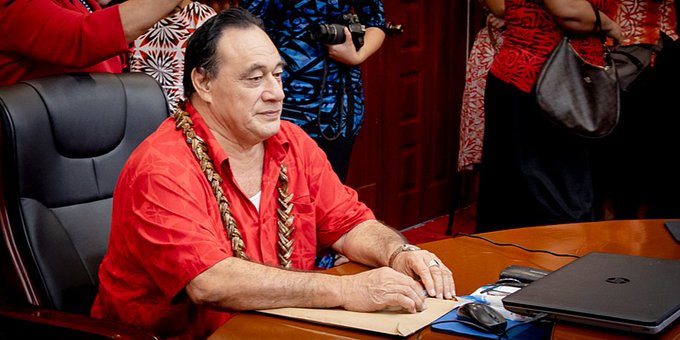
Samoa’s Minister of Health has assured the new Government’s priority is to fully vaccinate the country’s eligible population, before plans are finalised to open a travel bubble with New Zealand.

In response to questions from the Samoa Observer, Valasi Tafito Selesele said the latest amended state of emergency orders is only to start the conversation for long-term plans.

“The only priority now is to push for our vaccine but it’s not to say that [travel bubble to New Zealand] will kick off next week,” he said.

“That [SOE orders] is to start looking into the possibility of that conversation and negotiations for the long run but there are certain things that needs to be in place like our vaccination drive.”

The new Fa’atuatua i le Atua Samoa ua Tasi (FASTled Government last week released changes to SOE. orders including plans on negotiating in a travel bubble with New Zealand.

It is also considering a weekly flight between American Samoa and Apia while monitoring health requirements of the travelers before departure.

However, Valasi said Samoa is not ready to open up its borders at this stage and negotiations are long term plans and discussions that do not happen overnight.

He added that New Zealand has backup plans on COVID-19 whereas Samoa is not fully prepared like Fiji, hence the rationale behind the priority to immunise the population.

In a recent interview with the media, Prime Minister, Fiame Naomi Mata’afa said her administration would look into easing up covid restrictions but keep the borders closed.

Meanwhile the Human Rights Protection Party (HRPP) leader, Tuilaepa Sailele Malielegaoi has warned against rushing into dismantling his government’s successful plan to combat and stop the coronavirus entering Samoa.

The former Prime Minister urged the new administration to reconsider opening up a travel bubble with New Zealand.

“The recent travel bubble between New Zealand and Australia has had to be cancelled because of increased infections and particularly the discovery of the Delta variant which is causing real problems for our neighbours Fiji,” he said.

“We cannot risk our people’s lives for the sake of making a profit for some business people.”

Tuilaepa said there is also no need to rush into opening the borders with American Samoa who plans to restart commercial flights from COVID-19 infected Hawai’i next month.

SOURCE: SAMOA OBSERVER/PACNEWS

More ANZMAT personnel arrive to help Fiji’s Ministry of Health

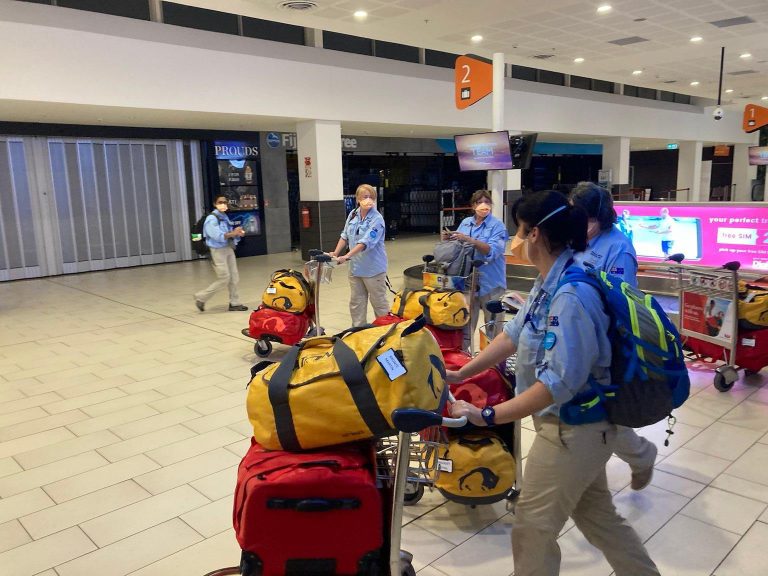
An additional 10 members of the third Australia and New Zealand Medical Assistance deployment – Charlie team arrived in Nadi today.

ANZMAT Charlie will be deployed for three weeks at the request of the Fijian Government and on advice from ANZMAT Bravo medical experts already in Fiji.

They will join forces with the Ministry of Health and Medical Services to support the critical care capability of frontline health workers and further boost medical systems to meet the challenges of the COVID-19 outbreak.

They will build on the work of the previous two ANZMAT medical assistance teams, Alpha and Bravo, sent over in June and July.

Australian High Commissioner, John Feakes said the government has wasted no time providing support to the Fijian Vuvale as we face the challenges of COVID-19 together.

Feakes said ANZMAT Charlie’s arrival is another reflection of their ongoing commitment to stand by Fiji and in particular Fijian frontliners as they continue to face the virus head-on.

He hopes the assistance, together with the one million vaccines Australia is providing, will help curb the spread of the virus.

The ANZMAT Charlie team will bring more vital COVID-19 equipment and supplies in the coming days, including more oxygen concentrators, flow meters and PPE, to assist health facilities.

SOURCE: FBC NEWS/PACNEWS

Samoa PM urges Public servants to prioritise professionalism

Samoa Prime Minister Fiame Naomi Mata’afa is urging all public servants not to let their support for a political party cloud their professional duties and obligations to their calling.

“In any Government, the Cabinet is the decision maker and the public servants are the arms and legs of Government to implement those decisions,” she said.

The Members of Parliament, according to Mata’afa, are also public servants with different set of duties, but have the same goal of serving the people and country.

“In my opinion as a long serving politician, I strongly believe, that is how it should be, but the problem is that many public servants today have never known any other political party than HRPP they served under for many years,” she said.

“It is difficult for them to differentiate the word government from political party,” said Mata’afa.

“Everyone has their own political convictions but when it comes to public servants performing their duties and obligations, professionalism is of utmost importance,” she said.

Several public servants are concerned and of the mindset that the new Government will terminate their services, however, Fiame has a different message for them.

“My message to the public servants is, it does not matter which party you support, but I urge you all to prioritise professionalism and service to the public, not your political party,” said Mata’afa.

Misinformation that had been going around said the new Government will terminate the services of six Chief Executive Officers and had already started with the Chairman of the Public Service Commission, Aiono Mose Sua who resigned last Monday.

However, Mata’afa said Aiono, personally delivered his resignation letter to her, informing her that his contract ended in March, but was asked by the former Government to stay on until the elections were over.

She said Aiono wanted one term as Chairman after he retired and now with elections over and a new government in place, Aiono handed in his resignation.

There were also appointments made by the Caretaker Government and Mata’afa was asked if these appointments were lawfully done or would her Government void the appointments.

“There are conventions applied by other countries to address such issues, but with Samoa’s case, it was the long period that allowed the caretaker Government to sit and make decisions,” she said.

“In my view, we will address it but if the person’s expertise and skills suit the position, then they should continue in the role,” said Mata’afa.

She also confirmed that the Attorney General has not resigned despite reports that she was resigning.

“Our people who spoke to her and asked her to come to a meeting with us but said she wasn’t coming as she was preparing to resign,” said Mata’afa. ”But she hasn’t.”

When the HRPP’s second administration took over in 1988, they amended the Public Service Act to enable the appointment of CEOs and later their deputies on term contracts so they can be in line in pushing government projects.

Before that, directors or departmental heads terms were employed until retirement age and many had seen politicians come and go.

In the lead up to the general elections and almost four months of political uncertainty, many public servants took to social media to air their negative and sometimes defamatory views against the FAST Party and its leaders. Many hid behind fake pages.

One such case led to the use of the Ministry of Women to organise and launch a peaceful march by women in protest against a FAST Leader’s comments.

On the day of the march however, the woman who interviewed the former Prime Minister and incited women to air their views in protest, made a public apology saying she did not listen to the original comments by the FAST leader and that she was briefed by the PMs media advisers to ask the question that caused the uproar.

SOURCE: TALAMUA ONLINE/PACNEWS

NZ Government to open travel corridor with Tonga, Samoa, and Vanuatu – allowing seasonal workers to skip managed isolation stay

Seasonal workers will be able to travel to New Zealand from Tonga, Samoa, and Vanuatu without undergoing a two-week stay in managed isolation, the Government has announced.

The Government are keen to get this arrangement in place before September, but the decision has only been made in principle by Cabinet.

The new travel corridor is aimed at helping industries that are reliant on seasonal workers from the Pacific, such as horticulture, and is part of a wider Government push to design a path out of the pandemic, with more details expected next week.

Currently the Government is allowing 150 Recognised Seasonal Employer (RSE) workers into managed isolation every two weeks, but this scheme will allow all people from those Pacific nations to skip managed isolation entirely.

All three countries have largely kept Covid-19 at bay, apart from sporadic cases at the border, with no recorded community transmission. Samoa has seen just three cases, with none since May. Vanuatu experienced four cases with no new cases since April. Tonga has not seen any cases.

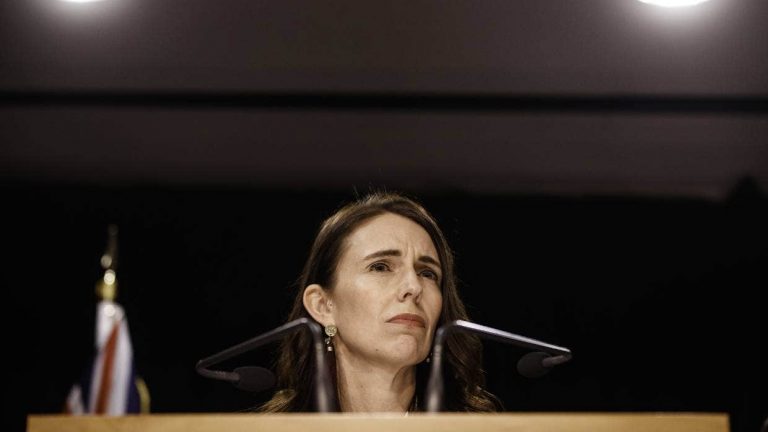
Prime Minister Jacinda Ardern announced the in-principle decision after her Cabinet meeting on Monday, and said she would be setting out a clearer strategy for the wider re-opening of New Zealand’s borders next week.

She said the workers would still be required to be paid the living wage, as is the case with seasonal workers currently going through managed isolation.

Ardern did not expect it to dampen wage inflation.

“We are talking to these countries because the risk associated with quarantine-free travel is low,” Ardern said.

She said the plan would be in place before the summer peak when there were as many as 10,000 seasonal workers onshore.

The decision was made several weeks ago but was announced on Monday.

This comes as the Government faces considerable pressure to announce some sort of plan to re-open New Zealand’s borders, and after a drop for Labour’s popularity in the latest poll.

Those details will come in a forum on Tuesday August 12 where the Government will also release the advice from its expert group looking at the borders.

Unlike Australia, New Zealand has not indicated a vaccination target for when it will start re-opening borders.

As of Sunday night just under 750,000 Kiwis were fully vaccinated, about 17.8 per cent of the eligible population of those aged 16+.

New Zealand has shut its bubble with Australia as Delta wrecks havoc there.

It retains a two-way travel bubble with the Cook Islands.

SOURCE: STUFF NZ/PACNEWS

Delta variant, a warning the COVID-19 virus is getting ‘fitter and faster’

Cases and deaths resulting from COVID-19 continue to climb worldwide, mostly fuelled by the highly transmissible Delta variant, which has spread to 132 countries, said the head of the World Health Organisation (WHO

Almost 4 million cases worldwide were reported last week to WHO and the agency expects the total number of cases to pass 200 million, in the next two weeks.

“And we know this is an underestimate”, underscored Director-General Tedros Adhanom Gebreyesus during his regular COVID-19 briefing.

Infections have increased in every region of the world, with some even reaching 80 percent more in the past month. In Africa, deaths have increased by 80 percent over the same period, the official warned.

Tedros blamed the rise of cases on increased social mixing and mobility, the inconsistent use of public health and social measures, and inequitable vaccine use. He said “hard-won gains” are in jeopardy or being lost, and health systems in many countries are increasingly overwhelmed.

“WHO has warned that the COVID-19 virus has been changing since it was first reported, and it continues to change. So far, four variants of concern have emerged, and there will be more as long as the virus continues to spread”, he underscored.

Lead WHO epidemiologist and COVID-19 technical lead, Dr Maria Van Kerkhove, explained that the Delta variant has certain mutations that allow the virus to adhere to human cells more easily and that experts are also seeing a higher viral load in individuals infected.

She called Delta “dangerous and the most transmissible SARS-CoV-2 virus to date”.

“There are some laboratory studies that suggest that there’s increase replication in some of the modelled human airway systems”, she added.

In terms of severity, Dr Van Kerkhove highlighted that there has been an increase in hospitalisations in certain countries affected by the variant, “but we haven’t yet seen an increase in mortality”.

The WHO expert reminded that although there is some data that suggest that people vaccinated can get infected and transmit the variant, the likelihood is much reduced after the second dose has been administered and reached full effectiveness.

She also clarified that Delta is not specifically targeting children as some reports have suggested, but warned that as long as the variants are circulating, they will infect anybody that is not taking proper precautions.

“It’s in the virus’s interests to evolve, viruses are not alive they don’t have a brain to think through this, but they become more fit the more they circulate, so the virus will likely become even more transmissible because this is what viruses do, they evolve they change overtime”, Dr Van Kerkhove warned, echoing Tedros’ remarks.

“We have to do what we can to drive it down”, she added, reminding that public health and social measures do work against the Delta variant, and that the vaccines do prevent disease and death.

Dr Michael Ryan, Executive Director of WHO Health Emergencies, said that even with the virus getting “faster and fitter” the gameplan does not change, but It needs to be implemented more efficiently.

“Delta is a warning that this virus is evolving, but it is also a call to action before more dangerous variants emerge”, he said.

Tedros also announced that on response to the Delta surge, the WHO’s Access to COVID-19 Tools Accelerator is launching the Rapid ACT-Accelerator Delta Response, or RADAR, and issuing an urgent call for US$7.7 billion for tests, treatments and vaccines.

SOURCE: UN NEWS CENTRE/PACNEWS

Australia to give $68m Fiji airport loan in effort to beef up lending in the Pacific

0

Australia will provide a $68 million (US$49 million) loan to Fiji to upgrade its airports as part of a step-up in infrastructure lending across the Pacific to help the region recover from the COVID-19 pandemic and compete with China’s decade-long spending spree.

In the first deal of its kind, the Australian government and the ANZ bank will use a $2 billion (US$1.4 billion) lending program to jointly deliver the funding for a series of upgrades at Nadi International Airport and other smaller airports in Fiji.

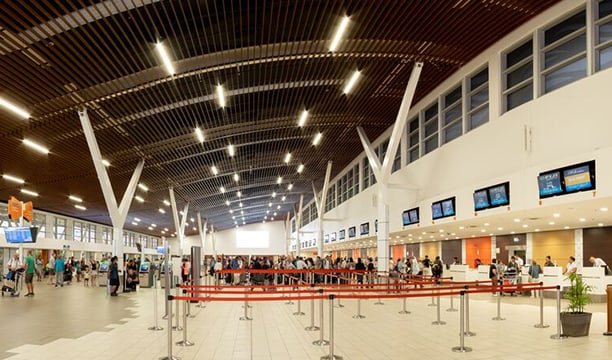
The commitment – part of Australia’s Pacific “step-up” – will provide more parking space for larger aircraft, allowing the country’s main airport to take more passengers when international travel returns to normal.

Minister for the Pacific Zed Seselja said the Australian Infrastructure Financing Facility for the Pacific (AIFFP) now had a pipeline “full of fantastic projects, and we’re seeing great demand from the Pacific for high-quality financing”.

“I’ll continue to work closely with my counterparts to progress future projects. This is a great example of why Australia established the AIFFP,” he said.

It is the fourth project to be funded under the AIFFP, which includes $1.5 billion (US$1.1 billion) in loans and $500 million (US$367 million) in grants. It was announced by Prime Minister Scott Morrison in November 2018 amid concerns China was building its influence on Australia’s doorstep through cheap concessional loans.

The AIFFP became operational in July 2019 but took until late last year to approve the funding of its first three major projects: an undersea cable for Palau, a hydro-power system in the Solomon Islands and a solar farm in Papua New Guinea.

While Australia wants to provide an alternative to Beijing’s lending for infrastructure in the region, it does not want to saddle Pacific countries with debt. Canberra has been concerned for a number of years that some countries in the Pacific are becoming beholden to China because of their high debt.

The Herald and The Age revealed earlier this year that Canberra was looking to approve about $300 million (US$220 million) on projects across the region under the $2 billion (US$1.4 billion) infrastructure facility.

The Australian government is separately considering investing more than $1.5 billion (US$1.1 billion) in taxpayer money to help Telstra buy telecommunications assets in the Pacific to keep them out of Chinese hands.

The Fiji airport upgrades would not have ordinarily been a project that would have attracted Chinese investment, and the airport would have most likely been able to fund the upgrades in-house if not for the drop-off in revenue caused by the pandemic.

Jonathan Pryke, director of the Lowy Institute’s Pacific Islands programme, said the AIFFP got off to a slow start.

“These projects are innovative, with the government underwriting ANZ lending,” he said.

“But they’re not the major nation-building initiatives that were pitched when the AIFFP was announced.”

Pryke said it was important for the AIFFP not to spend all of its money at once, as it needed to keep a significant amount of its funds to provide alternatives to problematic moves by China.

“Having this fund means we can be much more flexible and reactive,” he said. “You don’t want to spend it all – you want to have some in reserve so that you can react in the future as well.”

Fijian Attorney-General and Minister for Economy Aiyaz Sayed-Khaiyum said the pandemic’s toll on tourism and aviation had set back years of economic progress across the Pacific.

“This finance facility ensures that Nadi International Airport is equipped with facilities to serve as the gateway to the new normal for the entire Pacific – connecting our region to the world and connecting Fijians to each other,” he said.

Fiji Airports chairman Geoffrey Shaw said funding the upgrades in the local currency, without the requirement of a Fijian government guarantee, is recognition of the significant role that Fiji airports play as the aviation hub of the South Pacific.

Under the deal, the Australian government will provide FJD$96 million (AUD$62 million) to ANZ for its loan to Fiji Airports, and a FJD$10 million (AUD$6 million) direct loan to the company for the upgrades and maintenance work.

SOURCE: SMH/PACNEWS

Guardian class patrol boat delivered to Vanuatu

Vanuatu has taken ownership of its new Guardian-class Patrol Boat.

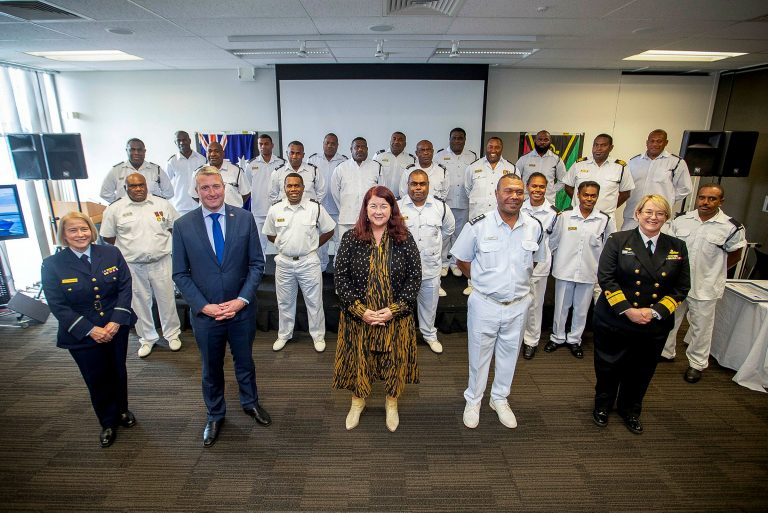
The RVS Takuare is the 12th vessel delivered under the Australian Government’s Pacific Maritime Security Programme and was handed over by Australia on Vanuatu’s Independence Day at a ceremony in Henderson, Western Australia.

Samson Fare, Vanuatu’s High Commissioner to Australia, accepted RVS Takuare on behalf of the Republic of Vanuatu alongside senior ADF representatives via live stream from Canberra.

The vessel is the first Guardian-class Patrol Boat to be delivered to Vanuatu under the Pacific Patrol Boat Replacement Project (SEA3036-1), part of the Australian Government’s Pacific Maritime Security Programme; and replaces the RVS Tukoro, a Pacific-class Patrol Boat delivered in 1987.

Minister for Defence Industry Melissa Price represented Australia at the handover and said Vanuatu’s new Guardian-class Patrol Boat was an important demonstration of the enduring strength of the Vanuatu-Australia security relationship.

“I wish to congratulate Vanuatu on its 41st Anniversary of Independence and extend my best wishes to the people of Vanuatu and to the ni-Vanuatu community here in Australia,” Minister Price said. “It is fitting that Australia is delivering RVS Takuare today.

“Australia is proud to deliver this high quality vessel, supported by wharf infrastructure upgrades in Port Vila and through-life training and maintenance – a hallmark of our Pacific Maritime Security Programme.”

Austal Australia’s expanded service centre in Cairns, incorporating a 1,200 tonne (80 metre LOA) slipway and a 1,120 tonne mobile boat hoist, continues to provide in-service support to the growing Guardian-class Patrol Boat fleet.

“This is an emphatic demonstration of caring at the highest level, expressed in no better way than on Freedom Day for our Republic by this generous gesture of giving by the people of Australia, and represents a new call on nationhood in our expression of security and maritime surveillance,” Vanuatu’s Deputy Prime Minister Alatoi Ishmael Kalsakau Maau’Koro said. “To say that we are proud understates the value we give to this relationship.”

Under the Pacific Maritime Security Programme, Australia is delivering 21 Guardian-class Patrol Boats to 12 Pacific Island countries and Timor-Leste.

SOURCEl AUST DEFENCE MAGAZINE/PACNEWS

Sink or swim: Can island states survive the climate crisis?

Small island nations across the world are bearing the brunt of the climate crisis, and their problems have been accentuated by the COVID-19 pandemic, which has severely affected their economies, and their capacity to protect themselves from possible extinction. We take a look at some of the many challenges they face, and how they could be overcome.

Low emissions, but high exposure

The 38 member states and 22 associate members that the UN has designated as Small Island Developing States or SIDS are caught in a cruel paradox: they are collectively responsible for less than one per cent of global carbon emissions, but they are suffering severely from the effects of climate change, to the extent that they could become uninhabitable.

Although they have a small landmass, many of these countries are large ocean states, with marine resources and biodiversity that are highly exposed to the warming of the oceans. They are often vulnerable to increasingly extreme weather events, such as the devastating cyclones that have hit the Caribbean in recent years, and because of their limited resources, they find it hard to allocate funds to sustainable development programmes that could help them to cope better, for example, constructing more robust buildings that could withstand heavy storms.

The COVID-19 pandemic has worsened the economic situation of many island states, which are heavily dependent on tourism. The worldwide crisis has severely curtailed international travel, making it much harder for them to repay debts. “Their revenues have virtually evaporated with the end of tourism, due to lockdowns, trade impediments, the fall in commodity prices, and supply chain disruptions”, warned Munir Akram, the president of the UN Economic and Social Council in April. He added that their debts are “creating impossible financial problems for their ability to recover from the crisis.”

Most research indicates that low-lying atoll islands, predominantly in the Pacific Ocean such as the Marshall Islands and Kiribati, risk being submerged by the end of the century, but there are indications that some islands will become uninhabitable long before that happens: low-lying islands are likely to struggle with coastal erosion, reduced freshwater quality and availability due to saltwater inundation of freshwater aquifers. This means that small islands nations could find themselves in an almost unimaginable situation, in which they run out of fresh water long before they run out of land.

Furthermore, many islands are still protected by reefs, which play a key role in the fisheries industry and balanced diets. These reefs are projected to die off almost entirely unless we limit warming below 1.5 degrees celsius.

Despite the huge drop in global economic activity during the COVID-19 pandemic, the amount of harmful greenhouse gases released into the atmosphere increased in 2002, and the past six years, 2015–2020, are likely to be the six warmest on record.

Climate finance (climate-specific financial support) continues to increase, reaching an annual average of US$48.7 billion in 2017-2018. This represents an increase of 10% over the previous 2015–2016 period. While over half of all climate-specific financial support in the period 2017-2018 was targeted to mitigation actions, the share of adaptation support is growing, and is being prioritised by many countries.

This is a cost-effective approach, because if not enough is invested in adaptation and mitigation measures, more resources will need to be spent on action and support to address loss and damage.

Switching to renewables

SIDS are dependent on imported petroleum to meet their energy demands. As well as creating pollution, shipping the fossil fuel to islands comes at a considerable cost. Recognizing these problems, some of these countries have been successful in efforts to shift to renewable energy sources.

For example, Tokelau, in the South Pacific, is meeting close to 100 percent of its energy needs through renewables, while Barbados, in the Caribbean, is committed to powering the country with 100 percent renewable energy sources and reaching zero carbon emissions by 2030.

Several SIDS have also set ambitious renewable energy targets: Samoa, the Cook Islands, Cabo Verde, Fiji, Saint Vincent and the Grenadines and Vanuatu are aiming to increase the share of renewables in their energy mixes, from 60 to 100 percent, whilst in 2018, Seychelles launched the world’s first sovereign blue bond, a pioneering financial instrument to support sustainable marine and fisheries projects.

The power of traditional knowledge

The age-old practices of indigenous communities, combined with the latest scientific innovations, are being increasingly seen as important ways to adapt to the changes brought about by the climate crisis, and mitigate its impact.

In Papua New Guinea, local residents use locally-produced coconut oil as a cheaper, more sustainable alternative to diesel; seafaring vessels throughout the islands of Micronesia and Melanesia in the Pacific are using solar panels and batteries instead of internal combustion; mangrove forests are being restored on islands like Tonga and Vanuatu to address extreme weather as they protect communities against storm surges and sequester carbon; and in the Pacific, a foundation is building traditional Polynesian canoes, or vakas, serving as sustainable passenger and cargo transport for health services, education, disaster relief and research.

Strategies for survival

While SIDS have brought much needed attention to the plight of vulnerable nations, much remains to be done to support them in becoming more resilient, and adapting to a world of rising sea levels and extreme weather events.

On average, SIDS are more severely indebted than other developing countries, and the availability of “climate financing” (the money which needs to be spent on a whole range of activities which will contribute to slowing down climate change) is of key importance.

More than a decade ago, developed countries committed to jointly mobilize $100 billion per year by 2020 in support of climate action in developing countries; the amount these nations are receiving is rising, but there is still a significant financing gap. A recently published UN News feature story explains how climate finance works, and the UN’s role.

Beyond adaptation and resilience to climate change, SIDS also need support to help them thrive in an ever-more uncertain world. The UN, through its Development Programme (UNDP), is helping these vulnerable countries in a host of ways, so that they can successfully diversify their economies; improve energy independence by building up renewable sources and reducing dependence on fuel imports; create and develop sustainable tourism industries, and transition to a “blue economy”, which protects and restores marine environments.

Fighting for recognition

*For years, SIDS have been looking for ways to raise awareness of their plight and gain international support. As the Alliance of Small Island States (AOSIS) in 1990, they successfully lobbied for recognition of their particular needs in the text of the landmark UN Framework Convention on Climate Change (UNFCCC) two years later.

*Since then, the countries have continued to push for a greater emphasis on ensuring that international agreements include a commitment to providing developing countries with the funds to adapt to climate change. An important step was ensuring that climate change negotiations address the issue of “loss and damage” (i.e. things that are lost forever, such as human lives or the loss of species, while damages refers to things that are damaged, but can be repaired or restored, such as roads or sea walls etc.).

*SIDS continue to urge developed nations to show more ambition and commitment to tackling the climate crisis, and strongly support calls for a UN resolution to establish a legal framework to protect the rights of people displaced by climate change, and for the UN to appoint a Special Rapporteur on Climate and Security, to help manage climate security risks and provide support to vulnerable countries to develop climate-security risk assessments.

*SIDS have also advocated for eligibility to development finance to recognise the vulnerabilities they face, including from climate change hazards. The UN will release its recommendations in a report due to be released in August 2021.

SOURCE: UN NEWS CENTRE/PACNEWS
NZ Ardern offers ‘unreserved’ apology to Pacific Islanders for dawn raids on Government’s behalf

New Zealand Prime Minister Jacinda Ardern has offered a “formal and unreserved apology” Sunday to the Pacific communities left traumatised by the dawn raids in the 1970s.

The practice saw immigration officials target the homes of Pacific Islands people in the early hours of the morning, beginning in the 1970s, in a crackdown on alleged “overstaying” on their visas.

The policy followed a period where many people from the Pacific Islands were encouraged to come to Aotearoa to fill roles in growing industries as the nation experienced a boom in jobs after World War II.

However, during economic recession, an Immigration Act amendment in 1968 allowed those overstaying their work permits to be deported and gave police the power to ask people to immediately produce documentation confirming they were legally allowed to be in NZ.

The move unfairly targeted the Pacific community, Maori and other people of colour.

“I stand before you as a symbol of the Crown that wronged you nearly 50 years ago,” Ardern said in her opening remarks at the Auckland Town Hall Sunday afternoon.

“We have experienced the Pacific Aotearoa journey shift from one of new settlement to the present day – Pacific diaspora in New Zealand.

“Pacific people is an integral part of Aotearoa’s cultural and social fabric, and are active contributors to our economic success.

“However, in the multiple chapters of Pacific people’s story in New Zealand – the chapter of the dawn raids stands out as one that continues to cast a long shadow.”

Ardern said the Pacific peoples were used as “scapegoats” as the economic boom of post-World War II saw a downturn in the 1970s.

“While these events took place almost 50 years ago, the legacy of the dawn raids era lives on today in Pacific communities. It remains vividly etched in the memory of those who were directly impacted; it lives on in the disruption of trust and faith in authorities; and it lives on in the unresolved grievances of Pacific communities that these events happened and that to this day, have gone unaddressed.

“Today, I stand on behalf of the New Zealand Government to offer a formal and unreserved apology to Pacific communities for the discriminatory implementation of the immigration laws of the 1970s that led to the events of the dawn raids.

“The Government expresses its sorrow, remorse and regret that the dawn raids and random police checks occurred and that these actions were ever considered appropriate.

“Our Government conveys to the future generations of Aotearoa that the past actions of the Crown were wrong, and that the treatment of your ancestors was wrong. We convey to you our deepest and sincerest apology.”

Ardern also apologised for the dawn raids’ impact on Maori and other ethnic communities.

“We acknowledge the distress and hurt that these experiences would have caused,” she said.

“As a nation, we expect everyone in New Zealand to be treated with dignity and respect, and we expect that all individuals are guaranteed their rights without distinction of any kind. Unfortunately, these expectations were not met in this case and inequities that stem from direct and indirect discrimination continue to exist.

“We’re committed to eliminating racism in all its forms in Aotearoa New Zealand, and affording everyone the right to be treated humanely and with respect and with dignity.”

She also outlined a raft of changes as part of the Government’s apology as a “way of expressing our deepest sorrow, whilst recognising the wrongs of the past and to pave the new dawn and a new beginning for Pacific peoples in New Zealand”.

As part of its formal apology, the Government will provide $2.1 million (US$1.4 million) in academic and vocational scholarships for Pacific communities; $1 million(US$696,000) in Manaaki New Zealand Short Term Scholarship Training Courses for delegates from Samoa, Tonga, Fiji and Tuvalu; and for resources to be made available to schools and kura who choose to teach the history of the dawn raids.

The Ministry for Culture and Heritage and Ministry for Pacific Peoples will also provide support to enable Pacific artists and/or historians to work with communities in developing a comprehensive historical record of the dawn raids period.

SOURCE: TVNZ/PACNEWS

Tongan princess in tears as she accepts formal dawn raids apology

The princess of Tonga shed tears as she formally accepted Jacinda Ardern’s apology on behalf of the Government that oversaw the dawn raids of the 1970s.

The practice saw immigration officials target the homes of Pacific Islands people in the early hours of the morning, beginning in the 1970s, in a crackdown on alleged “overstaying” on their visas.

Princess Mele Siu’ilikutapu Kalaniuvalu Fotofili began her acceptance speech by mixing the tears with laughter.

“This is a typical Polynesian, crying, we are so emotional, I tell you, I’m sorry, it goes with the make-up,” she said.

She then went on to thank Jacinda Ardern.

“I am very grateful for your Government for making the right decision to apologise to right the extreme, inhumane, racist and unjust treatment specifically against my community in the dawn raids era,” Princess Mele Siu’ilikutapu told Ardern at the Auckland Town Hall.

“Let me assure you that we have accepted the fact that some of our people at the time were on the wrong side of the law – yes,” she said, looking at giggles from the crowd.

“This should not have warranted the unleashing of police dogs on our people, the raids of our houses in the early hours of the morning and many other extreme measures put in place at the time.”

Ardern was visibly emotional as she listened to the Tongan royal speak while Social Development Minister Carmel Sepuloni, who is of Tongan descent, wiped tears from her eyes.

The princess thanked Ardern for the gifts announced to the community today as a token of the Government’s formal apology. The gifts include: $2.1 million (US$1.4 million) in academic and vocational scholarships to be made available for Pacific communities; $1 million(US$696,000) in Manaaki New Zealand Short Term Scholarship Training Courses for delegates from Samoa, Tonga, Fiji and Tuvalu; and resources made available to schools and kura who choose to teach the history of the dawn raids.

The Ministry for Culture and Heritage and Ministry for Pacific Peoples will also provide support to enable Pacific artists and/or historians to work with communities to help develop a comprehensive historical record of the dawn raids period.

“Right honourable Jacinda Ardern, the apology is a move in the right direction – in the right direction of the healing process. I acknowledge with deep gratitude the gifts that you are presenting to us this evening,” Princess Mele said.

“I am sure my community is also grateful for the gifts as an exchange of good gestures; as a beginning of a caring, closer and better relationships between your Government and future leaders and our Pacific peoples,” she said.

SOURCE:TVNZ/PACNEWS

Stay connected

529FansLike
172FollowersFollow
156SubscribersSubscribe
- Advertisement -