



By Pita Ligaiula in Koror, Palau
A global temperature overshoot beyond 1.5 degrees Celsius could trigger an economic and food security crisis across the Pacific, pushing tuna stocks out of Pacific Island countries’ exclusive economic zones and sharply reducing coastal fish catches, a leading regional scientist has warned.
Pacific Community (SPC) Deputy Director-General Dr Andrew Jones said the consequences of exceeding 1.5°C would reach far beyond rising seas and extreme weather, threatening government revenues, food security and the Pacific’s deep cultural connection to fisheries.
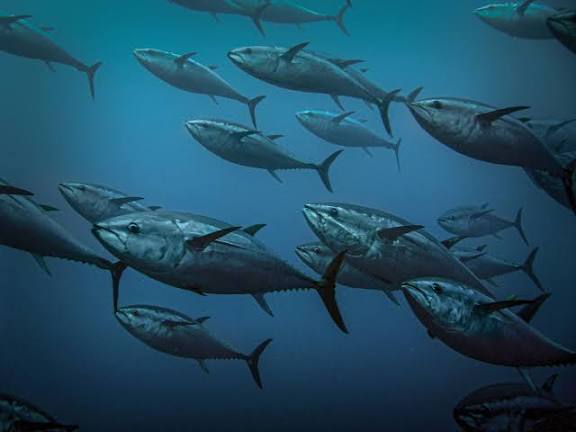
Speaking at a press conference in Koror on the risks facing the Pacific Ocean if global warming exceeds 1.5°C, Dr Jones said tuna populations would shift eastward, away from some Pacific Island countries’ exclusive economic zones.
“For tuna fisheries, overshooting 1.5 means that the tuna populations will migrate to the east, out of the EEZs,” Dr Jones said.
Currently, around 30 percent of the world’s tuna is caught in Pacific Island country exclusive economic zones.
Dr Jones said the migration of tuna could result in up to US$90 million in annual reductions in access fees from tuna fisheries.
“That’s 30 percent of government revenue,” he said.
“So, a real economic crisis for the region due to this 1.5-degree overshoot,” Dr Jones said
The threat extends beyond industrial tuna fisheries.
Dr Jones said some Pacific communities could see catches from their coastal fisheries fall by as much as 65 percent.
“These are the fisheries that feed our Pacific Island people,” he said.
The decline would be compounded by the loss of critical marine ecosystems that provide feeding and breeding grounds for fish.
Dr Jones said an overshoot could result in a 44 percent reduction in seagrass, mangroves and reefs.
Those ecosystems are “the hatcheries and the feeding grounds” for coastal fisheries, he said.
The consequences would be felt directly on household food supplies across the region.
Dr Jones said declining coastal fisheries could mean Pacific Islanders losing up to 29 kilograms of fish protein per person each year.
“That’s about two meals per family per week that’s not on the plate of clean, free, healthy protein that will need to be replaced,” he said.
For Pacific Island communities, he said, replacing fish with another source of protein was not simply a matter of changing diets.
“There’s cultural attachment to fisheries in a way that you can’t just replace fish with chickens,” Dr Jones said.