Pacific Island economies are bearing a disproportionate impact from rising food and fuel costs, with the International Monetary Fund (IMF) downgrading its 2026 growth forecast as climate risks, heavy import dependence and limited fiscal space continue to constrain economic resilience.
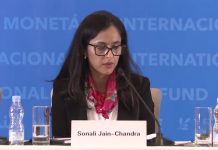
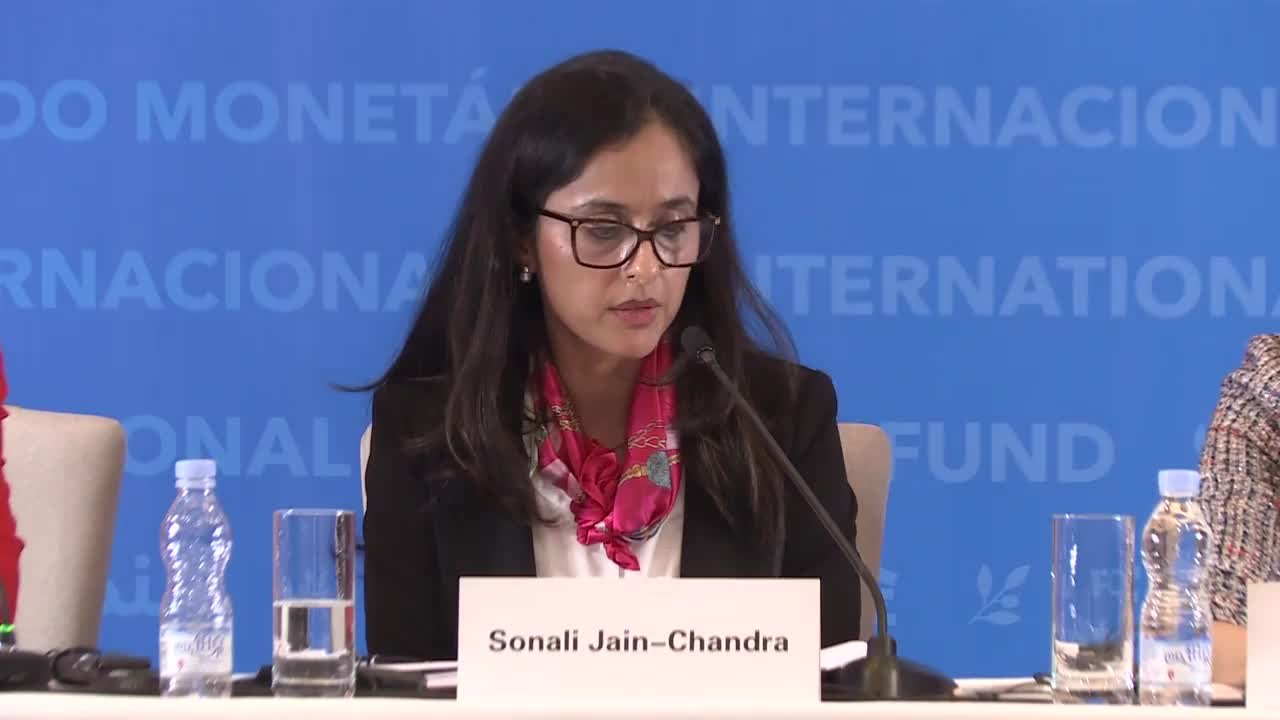
IMF Deputy Director of the Asia and Pacific Department, Sonali Jain-Chandra said growth across Pacific Island economies was projected at 2.6 percent in 2026 and 2.5 percent in 2027.
Responding to a PACNEWS question at a virtual press conference in Bangkok on the sidelines of the IMF Annual Meeting, Jain-Chandra said the 2026 forecast had been reduced by 0.2 percentage points from the Fund’s April World Economic Outlook, while the projection for 2027 remained unchanged.
“The downgrade is due to the large food and fuel shock which has hit the Pacific Islands disproportionately,” she said.
However, continued strength in tourism and remittances, alongside donor financing and fiscal support, had helped cushion the impact on regional economies.
“Tourism and remittances have still been strong to the Pacific Islands, as has been donor financing and fiscal support, which is why we have a relatively small downgrade for the Pacific Islands,” Jain-Chandra said.
Pacific Island Countries (PICs) face distinct economic pressures, including climate-related risks, heavy reliance on imported goods and limited government resources to fund development and climate adaptation.
Jain-Chandra acknowledged these structural vulnerabilities, saying Pacific economies faced significant constraints in responding to external shocks while meeting their development needs.
“The structural challenges faced by the islands include high import dependence, a limited ability to diversify the economy, and then, of course, limited fiscal space to deal with that adaptation need, driven by the enormous challenge for climate change in the region,” she said.
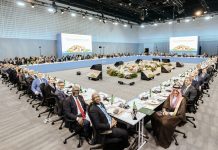
IMF Director of the Asia and Pacific Department, Krishna Srinivasan said the Fund had also heard directly from Pacific finance ministers and central bank governors about the economic and climate challenges confronting their countries.
Responding to a PACNEWS question, Srinivasan said a dialogue between Pacific leaders and IMF management had provided an opportunity for island countries to raise their concerns about fiscal pressures and climate shocks.
“We had a very, very good dialogue between the Pacific island countries, ministers and governors of the central bank with our management. And we heard their concerns, and they’re very candid in talking about the concerns they had, be it fiscal, be it climate shocks and so on,” he said.
Srinivasan said the IMF was providing support to help countries strengthen their fiscal frameworks and manage these challenges, while acknowledging the scale of the task facing the region.
“It’s not easy. It’s clearly not easy. But from our perspective, we are providing a lot of support on how to address these challenges. And that’s something which we’ll continue doing,” he said.
He said the dialogue was valuable in allowing the Fund to hear directly from Pacific leaders about their concerns.
The combination of higher food and fuel costs and limited fiscal capacity leaves Pacific governments facing difficult choices in protecting households, maintaining essential services and investing in climate resilience.
Reliance on imported food and fuel means international price increases can quickly raise domestic costs, while limited economic diversification reduces opportunities to offset these pressures through other sources of growth and revenue.
Climate change adds further pressure, requiring sustained investment in adaptation, resilient infrastructure and disaster preparedness at a time when public resources are already constrained.
Governments must balance immediate economic pressures with longer-term development priorities, ensuring that financing for urgent needs and climate adaptation does not undermine debt sustainability.
The IMF’s assessment highlights the importance of continued support for Pacific economies, alongside stronger fiscal frameworks and policies that address structural vulnerabilities and improve resilience to future shocks.