The Pacific Islands Climate Action Network (PICAN) is calling for all three reports under the Intergovernmental Panel on Climate Change’s (IPCC) Seventh Assessment Report (AR7) to be approved by 2028, warning that delays could weaken global climate action and undermine the next assessment of progress under the Paris Agreement.
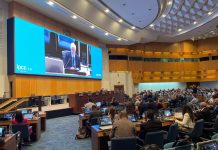
In a position statement prepared for the 65th session of the IPCC in Addis Ababa, Ethiopia, this month, PICAN said the timing of the reports was critical for Pacific Small Island Developing States facing escalating climate impacts.
The network wants the reports covering climate science, impacts and adaptation, and mitigation delivered in time to inform the second Global Stocktake (GST2), which assesses collective progress towards meeting the goals of the Paris Agreement.
PICAN supports the IPCC Bureau’s original timeline and says September 2028 should be the latest acceptable deadline. It rejects proposals to delay the impacts and mitigation reports until 2029.
The network argues that postponing the reports risks weakening the scientific evidence available to governments as they assess climate progress and prepare their next round of Nationally Determined Contributions (NDCs), which outline national climate commitments.
PICAN also links the timely delivery of climate science to states’ international legal obligations, drawing on the International Court of Justice’s 2025 advisory opinion and other legal developments concerning climate change.
The statement stresses that the best available scientific evidence is central to assessing governments’ responsibilities to prevent climate harm and pursue the Paris Agreement’s goal of limiting global warming to 1.5 degrees Celsius.
Beyond the timeline, PICAN is calling for stronger representation and participation in the IPCC assessment process, particularly for scientists from developing countries and communities most affected by climate change.
It says addressing longstanding inequalities in climate research and authorship requires more than extending the assessment schedule.
The network highlights the need to incorporate Indigenous knowledge systems and community evidence, alongside scientific research, and provide authors with adequate financial and institutional support to participate effectively.
PICAN also raises concerns about equity in mitigation scenarios, the IPCC’s financial sustainability and the risks associated with delaying its 2027 budget.
It says safeguards are needed to protect scientific integrity throughout the assessment process and ensure the reports remain independent, credible and relevant to global climate decisions.
The position statement sets out eight demands directed at governments, IPCC leadership, financial contributors and the COP31 Presidency.
These include timely delivery of AR7, adoption of the IPCC budget, stronger participation and representation, rigorous scientific assessment standards, and arrangements to ensure all three Working Group reports inform the second Global Stocktake.
PICAN says the Pacific needs climate science that is timely, inclusive and accessible to decision-makers as countries confront rising climate risks and press for stronger global action.