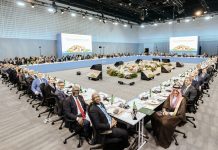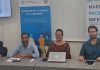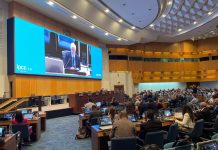
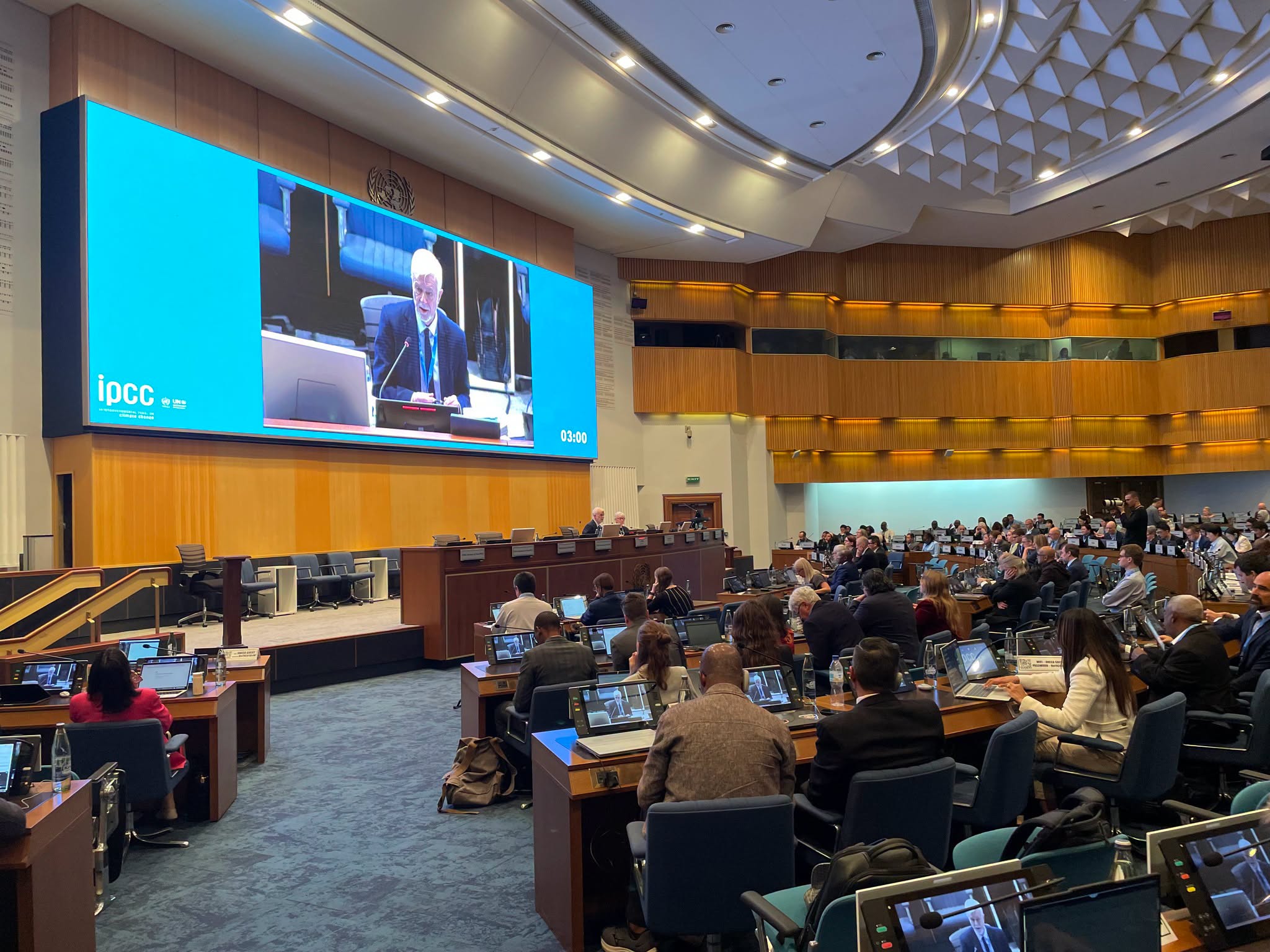
The 65th session of the Intergovernmental Panel on Climate Change (IPCC) has been suspended after discussions ran beyond the scheduled time, forcing delegations from least developed countries and Small Island Developing States to leave before key decisions could be reached.
IPCC Chair Jim Skea suspended the plenary session, saying the decision upheld the inclusivity of the process, where major decisions are made by consensus among member governments.
Two major agenda items remain unresolved – the timelines for the three Working Group contributions to the IPCC’s Seventh Assessment Report (AR7) and the Panel’s budget.
The IPCC said deliberations on the outstanding issues would resume at the earliest opportunity.
The timing of the AR7 reports is particularly important for vulnerable countries seeking the latest scientific evidence to guide climate action, adaptation planning and international negotiations.
The three reports cover the physical science of climate change, its impacts and adaptation, and options for mitigating global warming.
Their completion will determine when governments can access the latest comprehensive scientific assessment to inform climate policy and negotiations under the Paris Agreement.
 The IPCC is the United Nations body responsible for assessing scientific knowledge on climate change, including its causes, impacts, future risks and options for adaptation and mitigation.
Established in 1988 by the United Nations Environment Programme and the World Meteorological Organization, the Panel provides governments with scientific assessments that inform climate policy and international negotiations.
Thousands of experts worldwide contribute to its reports, reviewing scientific research to provide governments with comprehensive assessments of climate change and possible responses.
The Panel is currently in its seventh assessment cycle, which began in July 2023. The three AR7 Working Group reports will be followed by a Synthesis Report, scheduled for release by late 2029.
At its 60th session in Istanbul, Türkiye, in January 2024, the IPCC agreed to produce the three Working Group contributions during the current cycle.
The outlines of the reports were agreed at the 62nd session in Hangzhou, China, in February 2025, while the 63rd session in Lima, Peru, in October 2025, agreed on the 2026 workplan for their preparation.
The IPCC’s work also includes a Special Report on Climate Change and Cities, scheduled for approval and publication in March 2027, and a methodology report on inventories for short-lived climate forcers, scheduled for the second half of 2027.
The Panel’s Sixth Assessment Report was completed in March 2023, providing scientific input to the first Global Stocktake under the Paris Agreement, which concluded at COP28 in Dubai.
The unresolved AR7 timeline and budget decisions leave key questions about the delivery of the next assessment reports and the resources needed to complete them.