Home Blog Page 1166

Pacific Forum leaders set permanent maritime borders, as rising seas shrink islands

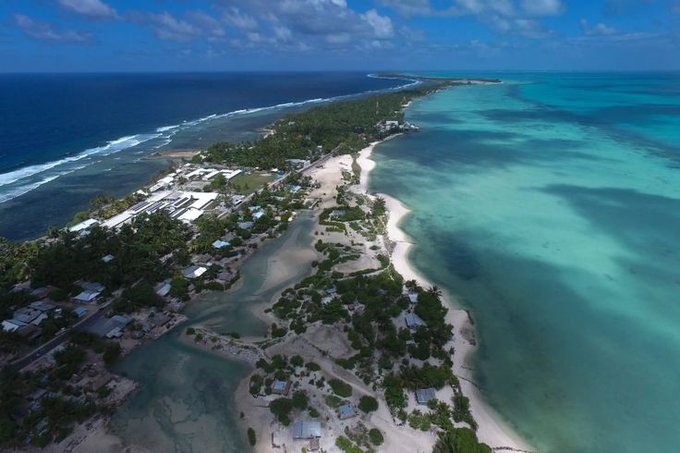
Pacific island leaders have agreed that their maritime borders should be permanent, even if their countries shrink due to a future rise in sea levels caused by climate change.

In a declaration released by Pacific Islands Forum (PIF) leaders, 18 member countries and territories affirmed that once Pacific islands have established and notified maritime zones to the secretary-general of the United Nations, they will be fixed irrespective of changes to the shape and size of islands.

“We intend to maintain these zones without reduction, notwithstanding climate change-related sea level rise. [We] further declare that we do not intend to review and update the baselines and outer limits of our maritime zones as a consequence of climate change-related sea level rise,” the declaration said.

Maritime zones are currently drawn using “baselines” under the United Nations Law of the Sea Convention UNCLOS) and begin at the low-water line along a nation’s coast. However, climate related sea level rise has shifted the size and shape of some islands.

Climate policy expert Dr Wesley Morgan, a research fellow at the Pacific Hub, Griffith Asia Institute, said that the Pacific had been proactive in maintaining maritime boundaries for some time.

“Pacific countries have led the global conversation on this for some time now. They have been defining their maritime boundary demarcations using global positioning system (GPS) coordinates, rather than the distance from coastal features, because they know those coastal features will erode due to the climate crisis,” Morgan said.

Henry Puna, PIF secretary general, said forum leaders had “upped the ante” with the declaration, which he called a “strong and decisive step in efforts to secure our Blue Pacific home now and into perpetuity”.

The Intergovernmental Panel on Climate Change (IPCC) sixth assessment report reaffirmed this week that rising sea levels will cause shorelines to retreat along sandy coasts of most small islands, a real threat to the existence of some low lying atoll nations.

“Some think of Pacific islands as small, but Pacific states have sovereign rights across a large swathe of the Earth’s surface. This declaration helps to protect Pacific sovereignty and their rightful ocean domain,” said Morgan.

“Pacific island countries have led global diplomacy on oceans for decades. So this declaration continues to lead, and shape, the global discussion. It is an important diplomatic signal from all of the member states of the Pacific Islands Forum. They are telling the rest of the world, that they will not let their maritime sovereign rights be eroded by climate change,” he said.

SOURCE: THE GUARDIAN/PACNEWS

PNG PM: Focus on Bougainville self-rule

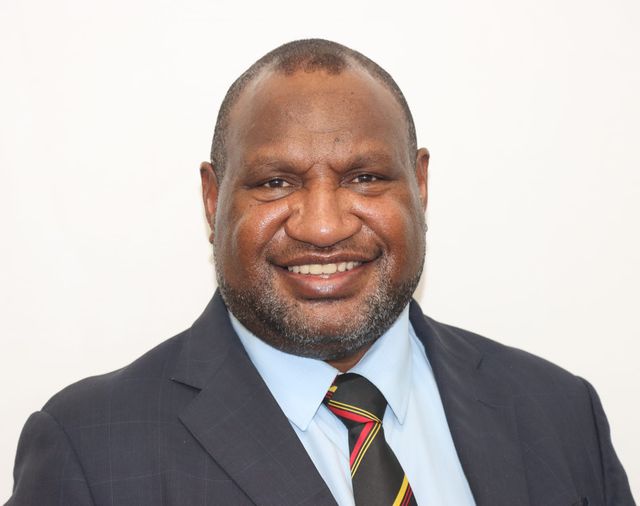
Papua New Guinea Prime Minister James Marape says Parliament needs to address soon the quest for independence by the people of Bougainville.

“There is no greater issue than that of one part of the country trying to break away from the rest of the country,” he said.

“This is a very important issue.

“I rank it the greatest challenge than Covid-19, the economy and other challenges we face today.

“The sanctity of our union as one country is very important.”

He is expected next week to brief Parliament on what transpired during talks on the Bougainville independence issue recently.

Kandep MP Don Polye had asked Marape about the outcome of the Joint Supervisory Body and Joint Consultation Body meetings in Enga, in particular the issue of Bougainville becoming independent.

Marape said the 2019 referendum for the people of Bougainville was a product of the 2001 Bougainville Peace Agreement.

Both the Bougainville and PNG governments had agreed to lay down arms and observe the peace agreement.

“The peace agreement agreed on three things: to return the guns, a full autonomy arrangement and that between 2001 and 2020, there must be a referendum.

“One question during the referendum was whether they should be independent.”

The people of Bougainville overwhelmingly chose independence.

Marape said that independence had to be rectified by Parliament.

“Parliament is the place,” he said.

“If we are to progress the independence of Bougainville, then the matter has to be addressed in the national parliament,” Marape said.

“During the Wabag consultation, we said that the national parliament must deal with the matters in the Constitution,” he said.

  1. SOURCE: THE NATIONAL/PACNEWS

‘Bad neighbours’: Australia at risk of becoming ‘global pariah’

Australia is already considered a “bad neighbour” and will become a “pariah” if the federal government does not move past its long-running climate policy wars and do more to help limit global warming, a senior UN official warns.

The country is feeling the pressure to stop dragging its heels after the United Nations’ latest climate report card revealed earlier this week the planet is poised to be 1.5C warmer by 2030.

The report provides unequivocal proof humans are the cause, with the result being more frequent and ferocious fires, floods, droughts, marine heatwaves, coral bleaching and accelerated sea level rise.

Australia is widely considered to be lagging on the world stage when it comes to ambition to combat climate change, but former president of Ireland and the UN climate envoy, Mary Robinson, says now is the time for Australia to “step up ambitiously”.

“I have to ask myself, has Prime Minister Morrison read the IPCC report?” she said during an interview on ABC’s 730 Report on Wednesday night.

“Australia is out of sync with other western industrialised countries.”

When asked by host Leigh Sales about Prime Minister Scott Morrison’s insistence the world should focus efforts on developing countries “because that is where two-thirds of emissions come from”, Robinson said the emphasis has left other nations heartbroken.

“I am very aware of the heartbreak at the moment in the Pacific Islands,” adding that she had attended a special climate forum with the Pacific nations.

“I heard at that time a kind of anger but now it is quite clear that in the neighbourhood of Australia you are regarded as not being a good neighbour to the Pacific Islands because of the dependency still on fossil fuel.

“The Secretary-General has made it very clear, we have to get out of fossil fuel…and yet Australia has a policy, at federal level” at odds with that.

Robinson said she was aware some Australian states and businesses have committed to being zero carbon.

“But if at the federal level there is not the commitment, then it is very hard to have anything other than a kind of, really a sense that Australia is letting itself down at the moment.”

The former president warned that if Australia does not move away from fossil fuel then it will become “a pariah”.

She said that because of the country’s dependence on fossil fuels and the high number of people the industry employs, Australia will have to create a significant transition fund that would help workers move into other jobs.

Kathy Jetn̄il-Kijiner, the climate envoy for the Marshall Islands, also warned that Pacific Island nations desperately needed the 1.5C goal to stay within reach.

“The latest IPCC climate report shows that this goal is now quickly slipping beyond our grasp. COP26 must be the moment where countries ensure this goal remains within reach,” she said.

In a response to the UN’s report, Morrison said if “world history teaches one thing – technology changes everything.”

He also said he did not want to burden regional areas and the agricultural sector with the cost of climate action, while acknowledging those same people were most affected by the consequences of climate change.

“We need to address those anxieties and assure people in regional parts of the country that the plan we have to achieve these outcomes … is a plan that they can support,” Morrison said.

With other nations expected to lift their ambition on emissions cuts, Morrison faces pressure to bring additional climate commitments to the table at UN talks scheduled for November in Glasgow.

“We will make that very clear about what Australia is achieving and what we intend to achieve. And we’ll make further statements about that between now and that (Glasgow) summit,” he said.

The prime minister reiterated commitments to investing in low-emissions technologies and pointed out Australia was set to achieve a 29 per cent reduction in emissions on 2005 levels by 2030.

This was compared with a cut of between 26 and 28 per cent under Australia’s Paris Agreement commitment.

The government is standing by its current position of wanting to achieve net zero emissions as quickly as possible and preferably by mid-century.

Meanwhile, Australia’s land areas have warmed 1.4C since 1910 and disasters such as the 2019-20 Black Summer are set to become even more familiar as climate change speeds up.

SOURCE: AAP/PACNEWS

Travel restricted from Fiji to NZ

Travel is restricted to New Zealand from Fiji this weekend.

There are more than 24,000 active cases of Covid-19 in Fiji and at least 330 deaths, since the outbreak began in April.

Fiji is now considered “very high risk,” to New Zealand and from midnight Sunday, only New Zealand citizens, their partners and children, will be able to travel there from Fiji under certain conditions.

Travellers from Fiji who meet these restrictions will be required to spend 14 days in MIQ when they arrive.

New Zealand’s Covid-19 Minister made the announcement on Wednesday, to “protect the health of New Zealanders.”

“We put these stronger measures in place for specific countires as outbreaks there are out of control and we want to reduce the risks to New Zealanders to people bringing Covid-19 here from those places.”

“Public health advice suggests steps must be taken now to minimise the risk of Covid-19 entering unimpeded through our border,” he said.

Fiji Girmit Foundation President Krish Naidu said it was a difficult blow to Fijians.

“This is just a double whammy. People are always looking for positive stories to come out from this crisis but it is getting worse everyday. It’s a signal and a shift of more stress and uncertainty for the community.”

Although he said most people would “respect” and understand the decision, it would certainly add many challenges if people need to get back to New Zealand in time.

“I know some of the people are already in Fiji to visit family and will all of a sudden find themselves caught in between trying to come home as quickly as possible but facing MIQ challenges that every traveller has to go through.”

Meanwhile, Fiji’s Former Health Minister Dr Neil Sharma said, it was unlikely the move would influence Fiji to go into lockdown.

“In a high risk situation like this I think they’re doing the right thing…. But we have got to get out act together. We are facing such a pantomime out here.”

Public opinion in Fiji “was very negative because the information is not reaching the general public from whatever the Ministry of Health is trying to do. It’s a complete state of mess and nobody seems to know what is happening.”

Last week four of his senior patients died of Covid-19.

SOURCE: RNZ PACIFIC/PACNEWS

“Dreams destroyed” – what Olympic exile would mean for weightlifting and its athletes

The catastrophic cost of weightlifting losing its Olympic status is laid out in a letter to the International Weightlifting Federation (IWF) and all its members.

It says that if weightlifting was dropped from the Olympic Games doping would take off unchecked, income would nosedive at global, continental and national level, and weightlifting would die in smaller nations.

There would be “a major potential risk” of weightlifting losing its place at the Pan American Games, Pacific Games, Commonwealth Games and other multi-national events.

“The dreams and aspirations of our athletes, the very athletes we are responsible for, will be forever destroyed,” say the letter’s authors Della Shaw-Elder and Atma Maharaj, respectively President and life member of Weightlifting Fiji.

Weightlifting Fiji, which has the highest female leadership representation in the sport, has been among the most vociferous supporters of reform at the IWF.

Without reform weightlifting is doomed, as the International Olympic Committee (IOC) has made clear in its repeated criticisms of the IWF’s poor governance.

Thomas Bach, the IOC President, said last week: “We need to see a new culture in this sport.”

On Sunday (08 August8) the IOC cleared the way, by changing the Olympic Charter, for the IOC Board to suspend weightlifting from the programme for Paris 2024.

That could happen in September or October unless the IWF’s members adopt a new Constitution set up to benefit the sport rather than favour, at least in part, the individuals who currently govern it.

Shaw-Elder and Maharaj looked through IWF accounts and estimated that 47 per cent of the governing body’s income came directly from the IOC as a share of Olympic television revenue and sponsorship programmes.

This would be lost during suspension or banishment, but the real cost would be far higher, they said, because of loss of marketability and sponsor income caused by damage to the brand of weightlifting.

The Fijians also calculated that IWF expenditure exceeded income by US$5 million (£3.6 million/€4.2 million) a year.

Recent spending figures were not available and the amount in reserve may have shrunk.

It was a very healthy US$20 million (£14.4 million/€17 million) in 2018 but huge sums have been spent since then on attendance fees and expenses for an endless series of Board meetings, the McLaren Report, and increased anti-doping costs under a new agreement with the International Testing Agency (ITA).

Another large outlay this year will be on Congresses, of which there will be at least three.

The Fijians said continental federations could lose support payments up to US$250,000 (£180,000/€213 million) a year, funding for development programmes would dry up, and Olympic Solidarity payments which support athletes in several of the world’s less wealthy nations would no longer be available.

Some federations rely on IOC funding and Olympic Solidarity for “20 per cent to 80 per cent of member federation activity” on competitions, equipment, coach education and development.

Government funding for member federations would also be significantly reduced, said Shaw-Elder and Maharaj.

“Once the sport ceases to be an Olympic sport, its importance to Governments and domestic stakeholders will be severely affected.”

Reduced funding would have a direct impact on elite athlete support, development, travel to competitions and other areas.

On anti-doping, the Fijians said weightlifting stood to lose valuable support from the World Anti-Doping Agency (WADA) and the ITA if it lost its Olympic status because it would “no longer be a priority sport”.

Doping would then “re-permeate the sport – without the stringent oversight of the multiple integrity and probity institutions. All the recent changes and gains will be forever lost.”

The Fijians said that hardship would be felt most keenly in smaller nations, especially in the Pacific region where “the cost to even leave the island is huge.”

They said: “The sport will eventually die in most of these smaller nations around the world.

“And yet weightlifting is probably the most likely sport in which the smaller nations can excel and win medals at the Olympic Games, Commonwealth Games, Continental Games and World Championships.”

The next landmark moment in the sport will come at the Constitutional Congress scheduled for Doha, Qatar from August 28 to 31.

If the new Constitution meets with IOC approval the sport can survive, but if it does not suspension is inevitable.

“The current leadership of IWF, IWF Executive Board and member federations of IWF have the option of saving the sport as an Olympic sport and mitigate all the risks mentioned above, and continue to provide a pathway for our athletes,” said Shaw-Elder and Maharaj.

“This means that we must not dilute the provisions of the Constitution as proposed by the independent advisors and endorsed by the Association of Summer Olympic International Federations and IOC.

“The interests of the sport must always be above that of any individual interests.”

If the IOC suspends weightlifting “the current leadership of IWF and member federations will be forever held responsible for the downfall of the sport and accountable to weightlifters throughout the world.”

Asked for comment, the IWF Interim President Mike Irani did not respond.

SOURCE: INSIDE THE GAMES/PACNEWS

Three die of COVID-19 in Fiji despite receiving two jabs

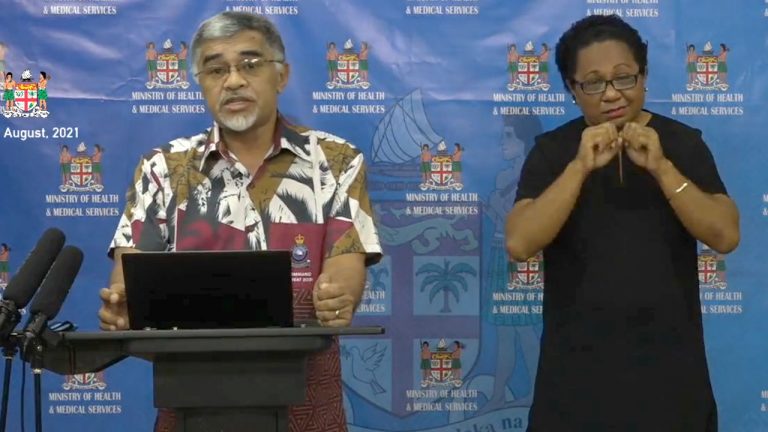
-Three individuals who have received their second jab of the COVID-19 vaccine were among the 13 new covid deaths reported by Fiji’s Ministry of Health Wednesday.

Permanent Secretary for Health, Doctor James Fong said of the three individuals, two were infected with the virus before they received their second jab.

“We know from the timeline of when their symptoms first developed that two of these individuals were infected with the virus before they got the second dose of the vaccine. We must understand that there is a difference between cure and prevention. The vaccine is not a cure for COVID-19, which means it will not help if you get vaccinated when you are already infected and sick with the virus.”

Dr Fong said the third patient got sick with COVID-19 and died within two weeks of the second dose.

He said despite these individuals having received their second jab, they would have had to wait at least two weeks after the second dose to be considered fully vaccinated.

“No one in Fiji has died from COVID-19 after they have been fully vaccinated against COVID-19.”

He said that Fiji also reported 568 new COVID-19 cases Wednesday.

262 cases were recorded in the Western Division and 306 in the Central Division in Vitilevu, Fiji’s main island.

Dr Fong said despite the low numbers being reported recently, Fijians should not misinterpret it as a true reduction of COVID-19 cases in these two divisions.

“We can anticipate that these shifts have an impact on our daily reported case numbers and this is why it is critical that we use various data to inform our understanding of the current situation in these divisions. “

He said Fiji circumstance is reflective of the situation many countries are currently responding to globally.

“Over the past few weeks, we have also seen a spike in dangerous misinformation and individuals posing as experts providing incorrect facts about COVID-19. We are concerned that people who are inclined to resist the vaccine will cling to that misinformation or even misconstrue facts that are reported correctly, threatening the efforts of our teams trying to provide the best protection possible for our communities,” he said.

Dr Fong said evidence has shown that Fiji is on the right track with responding to this new strain.

The Ministry also reported 664 new recoveries, which means that there are now 24,299 active cases.

He said there are currently 300 COVID-19 patients admitted to hospitals in Fiji.

“70 patients are admitted to the Lautoka Hospital, 68 patients are admitted at the FEMAT field hospital, and 162 were admitted at CWM hospital, St Giles, and Makoi. 62 patients are considered to be in severe condition, and 12 are in critical condition,” Dr Fong said.

Meanwhile, the Health Ministry has warned that unvaccinated Fijians becoming COVID positive could deprive others from critical medical services.

Head of Health Protection, Doctor Aalisha Sahu Khan said those who believe that it is their individual choice not to vaccinate should consider that they are putting lives at risk.

She said anyone who becomes severely ill for failure to vaccinate is taking away vital resources from non-COVID patients.

“The more people we have unvaccinated in the population, the worse the impact on the health system, just like what’s happening in hospitals in other parts of the world. Their ICUs are filling up with people not vaccinated and very sick. What happens to people who are vaccinated but get other diseases or get into car accidents? What happens if they need a ventilator?.”

Dr Aalisha said despite the high uptake of the vaccine, the risk lies among those who could still become severely ill and overwhelm medical facilities in Viti Levu.

As of 10 August, 523,285 adults in Fiji have received their first dose of the vaccine and 196,873 have received their second doses. This means that 89.2% of the target population have received at least one dose and 33.6% are now fully vaccinated nationwide.

SOURCE: FBC NEWS/PACNEWS

Delta variant has arrived in Guam

The Covid-19 Delta variant has reached Guam, government officials disclosed this week.

Five out of 21 samples sent to the Center for Disease Control and Prevention for testing contained the Delta variant. Of those five, four had no history of travel, which shows it is being spread within the community.

The arrival of this new strain on the island has again raised concern among leaders in the island’s medical community since it is more highly transmissible than the original virus.

As of now, there will be no further restrictions placed on the residents, Governor Lou Leon Guerrero said in a press conference.

However, the governor does not rule out reinstating the restrictions if hospital admissions increase and Covid patients swarm into ICU again.

Leon Guerrero also said the Guam Public Health and the Guam Police Department have been asked to enforce existing restrictions for large gatherings and issue citations for those who fail to comply.

The main message was the effectiveness of the vaccine that helps prevent serious illness. They strongly encouraged anyone who has not been vaccinated and is eligible, do so immediately.

The fastest transmission of the Delta variant is from those who have not been vaccinated.

“We’ve come a long way,” the governor said, “but the reality is that the fight is not over yet.”

The Joint Information Centre on Tuesday reported 44 new cases of Covid-19 that have been identified out of 764 tests performed on 09 August.

To date, there have been a total of 8,769 officially reported cases of Covid-19 with 143 deaths, 228 cases in active isolation and 8,398 not in active isolation. The CAR Score is 8.8.

The reason that there have not been more requiring hospital admission is due to “the 140,000 residents who have been vaccinated,” the governor said.

But the latest data shows that more people are again contracting Covid-19.

However, despite the steady increase, the hospital has admitted only nine cases of which one was sent to the ICU, but that person is now being released to the ward.

Although contact tracing is working, there remains the challenge of getting some people to cooperate.

On 23 July, a bar was identified with five linked cases. “Stiff opposition” was encountered when trying to get information from the individuals involved.

A wedding reception the following day had approximately 300 guests of which 18 were positive and the virus had spread across several families. Of those, 15 attended a barbecue together after the wedding.

“With Delta here now, the increase in numbers show how important the vaccine is in helping reduce its spread,” said Cmdr. Thane Hancock of the Guam CDC.

“It makes an urgency of getting vaccinated. Look at transmission in the U.S versus Guam. You’ll find over 90 percent are now due to Delta and transmission is the highest in states with the lowest vaccination rates. The high rate in Guam is helping protect us but anyone over 12 should get vaccinated,” he added.

With school opening, the governor said the Department of Education is having a massive campaign this Saturday to vaccinate all staff members, teachers and others who are in contact with the children.

Since children under 12 are not yet able to be vaccinated, the school superintendent is strictly adhering to protocols and has been advised that the best way to protect the students is to surround them with people who have been vaccinated, the governor said.

In the event that restrictions are reinstated, the first would be putting a limit on social gatherings, the governor said.

Next, occupancy of bars and restaurants and other areas that have a risk of transmission would be looked at, “especially among those who are not wearing a mask.”

It might also be necessary to require proof of vaccination at establishments and events, she added. Some large businesses have already been in touch with the governor about mandating vaccinations for their employees in line with the government mandate.

But for now, although hospitalizations are far lower than a year ago, it’s still imperative to wear a mask both indoors and outdoors, wash your hands frequently, maintain social distancing and be vaccinated immediately if you have not yet been, the panelists agreed.

SOURCE: PACIFIC ISLAND TIMES/PACNEWS

Solomon Islands Opposition leader cautions government on delta preparedness

Solomon Islands leader of Opposition, Matthew Wale has cautioned the government to tread very carefully and adopt a zero risk approach in its preparedness for further repatriation flights that are likely to introduce the delta variant into Solomon Islands.

Wale made this call in response to the Prime Minister’s statement on Monday this week that the government has assessed the safety and preparedness of our quarantine stations to contain delta within the perimeters of the quarantine stations.

The Opposition Leader however, said the ideal situation is that delta is not allowed into the country at all.

“If that is the ideal then it is important that SOPs are framed towards achieving it. From experience so far, early tests can be misleading in that some cases can return negative test results even when they are infected. At the very least, it is important that the Prime Minister clearly explains to the nation what additional preparations have been made that gives him the confidence that delta can be contained within quarantine stations if it is imported,” said Wale.

The Opposition Leader further calls on the government to be wary of the ‘lambda variant’ now making headway in South America and in at least 120 countries, adding that this is reported to be also highly transmissible and may be resistant to vaccines.

If this is true, Wale said it is important that the government regularly conducts risk analysis to ensure that there is zero risk in importing this variant.

The Opposition Leader said it is also important that the government develop the capacity locally to do genome sequencing to identify the types of variants, as this will have a direct impact on the type and severity of responses.

Meanwhile, Prime Minister Manasseh Sogavare said Solomon Islands has one of the best pre-departure screening processes for incoming travelers and incoming vessels anywhere in the world.

Speaking in during his weekly nationwide address, Monday, Sogavare said he was been informed about that, and this is where the country’s strength lies.

“Because our capacity to manage community transmission is limited, our focus is to stop the virus entering the country or eliminating it at the border quarantine stations.

“The current suspension on incoming passengers has allowed us to review and reset these measures to make them even more effective considering the virulence of the Delta Variant of Covid-19,” he said.

In addition to that, PM Sogavare said a new shipping advisory will be released later this week outlining new measures for some classes of foreign vessels coming into the country or domestic ships that travel out of the country and return to the country.

“On this note let me reassure you all that every single foreign vessel that enters our country undergoes a Covid-19 risk assessment by the Oversight Committee’s Vessel Exemption Committee.

“This committee determines the level of risk on the vessel and makes decisions in relation to the timing of inward clearance,” he said.

Further to that he said, where the committee has concerns about COVID-19 it can authorise COVID-19 testing to be done on some or all crew members before inward clearance is authorised.

SOURCE: SOLOMON STAR/PACNEWS


14 kilos of cocaine seized in Vava’u operation

The cocaine haul seized in Vava’u has been weighed at just over 14 kilograms, with an estimated street value over $5 million pa’anga (US$2.2 million), Tonga Police said

Acting deputy Commissioner Halatoa Taufa said a total of 12 people had so far been arrested and charged, regarding the cocaine that washed up on Vava’u beaches recently.

He said 10 were arrested in Vava’u and two in Tongatapu, consisting of nine men and three women

Some have been charged with possession and engaging with others in the supply of illicit drugs. Others have been charged for intentionally lying to Police contravening section 29 of the Illicit Drugs Control Act, he said.

“I encourage members of the public to refrain from lying to Police about anything they may know about any drug-related matter as you would be committing an offence if you do. This can cost you up to $10,000 or imprisonment or up to three-years or to both.”

Tonga Police acknowledged the assistance of His Majesty’s Armed Forces, in particular the Tonga Navy for providing the maritime capability required in this Police operation.

“They remain a necessary and valued partner in the nation’s war against drugs,” said the A/Deputy Commissioner.ne

Tonga Police earlier reported seizing a total of 11 cocaine packets, including the first six handed to them, after being washed up on the beaches at Höleva and Ha’alaufuli, in the third week of July.

On 29 July the first five people were arrested by the Tonga Police Drugs Enforcement Taskforce.

This was during raids at three residences, two in Ha’alaufuli and ‘Utulangivaka and a third in Nukunuku, Tongatapu.

On 02 August three more people, all three foreign nationals were arrested and charged in Neiafu, with 2kg of cocaine seized.

A 70-year-old British man, his 58-year-old American wife and a 25-year-old American man were arrested, at Houmelei in Neiafutahi. Their case is expected to be called at the Magistrate’s Court in Vava’u, on 12 August.

The remainder of the Tongan accused would have their cases called on 17 August.

Meanwhile, four more arrests were made last week.

SOURCE: TONGA WIRES/PACNEWS

51st Pacific Islands Forum Communique

The Fifty-First Pacific Islands Forum Leaders Retreat was held virtually on 06 August 2021, and was attended by the Heads of State, Government, and Territories of Australia, the Cook Islands, Fiji, Nauru, New Caledonia, New Zealand, Niue, Papua New Guinea, Samoa, Tuvalu, and Vanuatu. Solomon Islands was represented at Ministerial level, and French Polynesia and Tonga by Special Envoys.

Forum Leaders expressed their deep appreciation to Josaia V. Bainimarama, Prime Minister of the Republic of Fiji, for hosting the historic 51st Pacific Islands Forum during extraordinary times, and conveyed their sincere condolences to the Government and people of Fiji for the lives lost during the COVID-19 pandemic and current outbreak.

Leaders strongly commended Kausea Natano, Prime Minister of Tuvalu, for the strong leadership and tenacity shown during his tenure as Chair of the 50th Pacific Islands Forum, for two consecutive years (2019 – 2021) due to the COVID-19 pandemic. Tuvalu’s leadership is unprecedented, particularly as a Smaller Island State. Leaders further expressed profound gratitude to Prime Minister Natano, and the Government and people of Tuvalu for their unwavering service to the Blue Pacific.

Leaders welcomed Fiame Naomi Mataafa, the Prime Minister of Samoa, and also welcomed Louis Mapou, the President of the Government of New Caledonia. Leaders also acknowledged the distinguished tenure of the Tuila’epa Sa’ilele Malielegaoi, and his able leadership of Samoa and the region over the last 22 years.

The Forum Chair welcomed Secretary General Henry Puna, and Leaders reiterated their appreciation and gratitude to former Secretary General, Dame Meg Taylor, for her strong leadership, exceptional stewardship of Pacific regionalism, and contribution to the Blue Pacific during her tenure.

50TH ANNIVERSARY OF THE PACIFIC ISLANDS FORUM

Leaders commemorated the Fiftieth Anniversary of the Pacific Islands Forum, celebrating 50 years of Pacific regionalism and collective action, and paid tribute to the vision of the founding Leaders, and in the context of the theme of the 51st Pacific Islands Forum – Security and Prosperity in Unity: 50 Years of the Pacific Islands.

In honouring the region’s collective achievements, Leaders reflected on successes, lessons learnt, as well as the strategic imperative of the Pacific Islands Forum in the context of present and future challenges.

The Forum’s many successes have included: supporting self-determination and statehood; the assertion of Pacific interests in the shaping of the 1982 UN Convention on the Law of the Sea; the establishment of a Nuclear Free Zone in the Pacific through the 1985 Treaty of Rarotonga; the proactive institution of oceans governance measures at all levels to protect the health and resilience of the oceans and its resources, gaining recognition as leaders in oceans governance; the establishment of dedicated regional agencies for fisheries and the environment; strengthening regional security through the 2000 Biketawa Declaration and the 2018 Boe Declaration; the common advancement of economic and trade interests within the region and further abroad; and global advocacy on climate change culminating in our positioning within the Paris Agreement.

The 50th Anniversary places the Pacific Islands Forum at a critical juncture in its history. Whilst looking to the future through the development of the 2050 Strategy for a Blue Pacific Continent, the region is faced with a set of extraordinary circumstances which interact with, and in many cases exacerbate, existing vulnerabilities and challenges. These being the COVID-19 pandemic (the worst to hit the world in a century), significant economic challenges, an intensifying climate crisis facing Pacific Island countries, which will lead to severe climate change impacts for the region over time, as well as an increasingly multipolar world and an intensification of geopolitical competition in the Pacific region. The strength and solidarity of the Forum family is also being tested.

As was the case with the founding Leaders of the Forum, Leaders firmly believed in the Pacific Way of dialogue, which embodies the principles of empathy, mutual respect and dignity that enables the resolution of these challenges at this critical moment in our history. Leaders emphasised the strength in the collective, and as stewards of our shared Pacific Ocean, which forms one third of our planet’s surface. The Forum has proven to be the strongest collective demonstration of our aspirations, priorities and advocacy, and it continues to be the strongest political representation of the people we serve across our Blue Pacific Continent.

Leaders recognised that the 2050 Strategy will be at the heart of our very ambition as a region. It will encapsulate how we can best work together to achieve our shared vision and realise our share aspirations. At its core, it will be based on the firm recognition of the strategic, cultural, and economic value that our Blue Pacific region holds when we have a shared commitment to protect and leverage this value.

In a fast-evolving world, how we act as a collective, as well as how and who we engage with, must protect our own unique interests. The 2050 Strategy will set the tone and articulate the quality and type of Pacific regionalism that will emerge from our current challenges in the region, and will place the region in good stead to meet our future challenges, and to leverage and act on the opportunities that emerge.

The President of the United States of America, Joseph R. Biden Jr., joined Leaders in commemorating the 50th Anniversary and reaffirmed the value placed by the US on its relationship with the Pacific Islands Forum, and Forum Members. President Biden thanked Fiji for its leadership of the Forum through a time of significant challenge to the region and to the world, emphasising collective action to address the most immediate threat of COVID-19. He reiterated his Government’s commitment to global leadership on climate change, highlighting his announcement in April 2021 to commit to dramatically reducing economy-wide greenhouse gas emissions by 2030, and to building resilience in vulnerable communities globally.

COVID-19 RECOVERY EFFORTS

Leaders re-emphasised that the COVID-19 pandemic has posed significant challenges to all our governments, severely impacting our development progress, and remains a direct threat to the livelihoods and wellbeing of our people.

Leaders recalled their discussions at their Special Leaders Retreat in February 2021, where they emphasised the importance of ensuring the distribution of safe and effective vaccines in the Pacific region, and reiterated their call to global leaders to support the equitable and affordable distribution of safe and effective COVID-19 treatments and vaccines to all Pacific peoples to mitigate health concerns, improve their wellbeing and facilitate early economic recovery.

Reflecting on the threat posed by the Delta variant and its impact on several Member countries, as well as the discussions of their Economic, Trade and Foreign Ministers, Leaders emphasised the following key messages: the importance of COVID-19 vaccination roll-out to our region’s recovery, including the resumption of regional travel; the stretched resources at the national level and the need to utilise existing mechanisms, including the Pacific Humanitarian Pathway on COVID-19 (PHP-C), to streamline coherent support to all Members’ to support recovery plans; and the importance of leveraging emerging opportunities to support our regional recovery efforts, in particular, the growing prominence and utility of digitalisation.

Leaders commended the work of the PHP-C and the Economic Recovery Taskforce which, together, have assisted the region in strengthening our COVID-19 responses, and economic recovery efforts.

Leaders recognised the efforts put in place at the national level to manage the COVID-19 pandemic, including the ongoing support of Australia, New Zealand and development partners to ensure access to COVID-19 vaccines.

Leaders committed to continue to advocate and engage with global leaders for timely and equitable access to COVID-19 vaccinations, to call for a WTO TRIPS waiver for COVID-19 vaccines, and to strengthen regional and global early pandemic and disaster planning and resilience building efforts, including through the Pacific Resilience Facility.

Leaders further committed to continue to collectively ensure comprehensive vaccination coverage is achieved for our Pacific peoples by setting a target of 80% of the eligible population for the Pacific region subject to country readiness by the first quarter of 2022.

Leaders endorsed the notion of streamlining the collective responses to COVID-19, and to focus on utilising existing mechanisms such as the PHP-C to support efforts for comprehensive vaccine coverage, and to continue discussions on harmonised approaches for regional vaccination certification and travel bubbles as and when conditions allow.

To facilitate the transit and return of fishing crew and seafarers to their countries, Leaders encouraged all Forum governments to prioritise the vaccination of fishing crew and seafarers in their national vaccination programmes.

Leaders recognised the importance of vaccine certification for reopening borders and supporting economic recovery. Leaders welcomed Australia’s intentions to work with all members to establish robust and practical processes for vaccine certification, including digital vaccination certificates, and Australia’s announcement that it would aim to double the number of Pacific workers in Australia by March 2022, resulting in an additional 12,500 Pacific workers having the opportunity to work in Australia.

DECLARATION ON PRESERVING MARITIME ZONES IN THE FACE OF CLIMATE CHANGE-RELATED SEA-LEVEL RISE

Leaders welcomed the progress made relating to their commitments to secure the maritime zones of the Blue Pacific against the threat of sea-level rise and to preserve Members’ existing rights and entitlements stemming from maritime zones, a defining issue that underpins the full realisation of our Blue Pacific Continent. Leaders further welcomed Members’ progress to conclude outstanding negotiations on maritime boundaries claims and zones.

Leaders commended the FOC Specialist Sub-Committee on Sea-level Rise in relation to International Law for its work to support progress and advocacy on these commitments, including through the development of the draft Declaration on Preserving Maritime Zones in the face of Climate Change-related Sea-level rise, and the supporting Aide Memoire.

Recalling their commitments in 2019, and recognising the threat of climate change-related sea-level rise to our maritime zones, and indeed to the Forum’s identity, future economic development strategies and nation building aspirations, Leaders considered and endorsed the Declaration on Preserving Maritime Zones in the face of Climate Change-related Sea-level rise and its Aide-Memoire. In doing so, Leaders noted the centrality of the 1982 UN Convention on the Law of Sea as providing the basis for the Declaration.

The endorsement of the Declaration on the 50th Anniversary of the Forum is befitting of the occasion, demonstrating the important value of the Forum family and signalling deep mutual commitment by the Forum to safeguard the homes and interests of the Pacific peoples into perpetuity. The Declaration will pave a solid foundation to support, and underpin, the development and implementation of the 2050 Strategy for the Blue Pacific Continent.

The Declaration recalls and underlines the history, the relevant provisions, and the key principles of legal stability, security, certainty, predictability, equity, fairness and justice, which underpin the Convention, to clarify the Forum’s shared understanding that the relationship between climate change-related sea-level rise and maritime zones was not contemplated by the drafters of the Convention at the time of its negotiation. And that the Convention was premised on the basis that, in the determination of maritime zones, coastlines and maritime features were generally considered to be stable.

The Declaration contains important affirmations, records, and declarations, culminating in a strong proclamation that Forum Members’ maritime zones, as established and notified to the Secretary-General of the United Nations in accordance with the Convention, and the rights and entitlements that flow from them, shall continue to apply, without reduction, notwithstanding any physical changes connected to climate change-related sea-level rise.

Leaders welcomed the Declaration as an original and ground-breaking landmark that frames and defines the Blue Pacific Continent. Leaders affirmed the critical value and flagship potential of the Declaration in shaping and transforming international thinking on the issue, placing the region at the heart of international discussions, and providing a strong basis for Forum engagement and advocacy.

Leaders committed under the banner of this regional flagship initiative, to leading the advocacy, visibility and recognition of the Pacific Islands Forum’s position at the global level, including at the upcoming UN General Assembly on 14 – 30 September 2021 and the COP 26 negotiations on 1 – 12 November 2021. Leaders called on all Forum Dialogue Partners to support the Declaration.

CLIMATE CHANGE AND PREPARATIONS FOR COP 26

Leaders:

*noted the update on preparations for COP26, and re-affirmed their commitment for senior political level participation and COP26 Political Champions at COP26;

*endorsed the key messages for the region’s engagement and advocacy ahead of and during COP26 as below:
*Reaffirm that climate change is the single greatest threat facing the Blue Pacific and recommit to the goals of the Paris Agreement;
*Reiterate that COVID-19 must not delay global climate action but should promote recovery investments that are climate-smart and in line with a low emissions development pathway;
* Welcome the 47th G7 Summit in June and note its outcomes, welcome the Leaders’ Summit on Climate in April, and welcome accelerating efforts to cut green-house gas emissions and keep the 1.5 degree Celsius goal of the Paris Agreement within reach;
*Call on all global major emitters to urgently commit to stronger climate action, and to formulate and communicate mid-century long-term low emissions development strategies, which may include commitments and strategies to achieve net zero carbon by 2050, taking into account the urgency highlighted by the IPCC Special Report on Global Warming of 1.5 degree Celsius, and establish the necessary policy, financing and governance mechanisms required to achieve this;
*Urge all Parties to the Paris Agreement to ensure that COP 26 concludes negotiation on the Paris Rulebook, delivers an outcome that promotes stronger transparency and pursues efforts to limit global warming to 1.5 degree Celsius above pre-industrial levels, and mobilises scaled-up climate finance for adaptation from all sources, and reiterate our call in the Kainaki II Declaration for the international community to continue efforts towards meeting their climate finance commitment of US$100 billion per year from a variety of sources and accelerate support for the work of the Warsaw International Mechanism for Loss and Damage associated with Climate Change Impacts;
*Urge all Parties to the UNFCCC to ensure that COP 26 advances the work on Oceans in the UNFCCC, recognising its centrality to the Blue Pacific Continent; and
*Support regional approaches to strengthen Forum Island Countries’ strategic participation at COP 26, including through the COP 26 Political Climate Champions.

FRAMEWORK FOR RESILIENT DEVELOPMENT IN THE PACIFIC (FRDP) AND THE PACIFIC RESILIENCE PARTNERSHIP (PRP)

Leaders endorsed the extension of the PRP governance arrangements up to 2030, subject to yearly progress updates on the FRDP and PRP as well as the FRDP Mid Term Review in 2023, and noted the update on the draft FRDP Monitoring and Evaluation Framework.

POLITICAL DIALOGUE MECHANISM

Leaders considered the update provided by the outgoing Forum Chair, the Honourable Kausea Natano, Prime Minister of Tuvalu, on the Political Dialogue Mechanism which seeks to secure the solidarity and unity of the Forum family.

Leaders reaffirmed the importance of, and committed to, ongoing and focused dialogue at the political level on the issues raised by the Micronesian Presidents Summit and other leaders. Leaders emphasised the importance of developing a balanced reform package that respects the equality of all Members and to which all members can agree. Leaders considered this essential for strengthening the Pacific family.

REGIONAL GOVERNANCE AND INSTITUTIONAL ARRANGEMENTS

Leaders:

*endorsed the revised Criteria and Guidelines for Forum Dialogue Partners and Forum Observers, and directed the Secretary General to write to existing Forum Dialogue Partners and Forum Observers to affirm their commitment to act in accordance with the revised Criteria and Guidelines;
*endorsed further consideration of the Forum’s partnership mechanisms within the context of the 2050 Strategy for the Blue Pacific Continent and the scheduled Review of Regional Architecture;
*endorsed, in principle, Forum Dialogue Partner applications from Chile, Norway and Singapore, subject to their written commitment to act in accordance with the revised Criteria and Guidelines for Forum Dialogue Partners;
*endorsed the Policy Statement on the Pacific Islands Forum Troika, noting the Statement may need further revisions arising from the development of the Secretary General selection and appointment procedures; and
*endorsed the ongoing CROP membership of the Pacific Islands Development Program, subject to the adoption of the CROP Charter at the December 2021 meeting of the Pacific Islands Conference of Leaders Standing Committee.

WEATHER READY PACIFIC DECADAL PROGRAMME OF INVESTMENT

Leaders endorsed the Weather Ready Pacific Decadal Programme of Investment, which seeks to reduce the human and economic cost of severe weather, water and ocean events across Pacific Island communities, by strengthening national meteorological and hydrological organisations and their partnerships with national disaster management organisations.

FRAMEWORK FOR ENERGY SECURITY AND RESILIENCE IN THE PACIFIC 2021 – 2030

Leaders endorsed the Framework for Energy Security and Resilience in the Pacific 2021-2030.

DATE AND VENUE OF NEXT MEETING

Leaders welcomed the advice of the Forum Chair to convene the face-to-face Forum Leaders Meeting in January 2022, and to convene Forum Related Meetings in the months leading up to this face-to-face meeting.

SOURCE: PIFS/PACNEWS

Stay connected

529FansLike
172FollowersFollow
156SubscribersSubscribe
- Advertisement -