

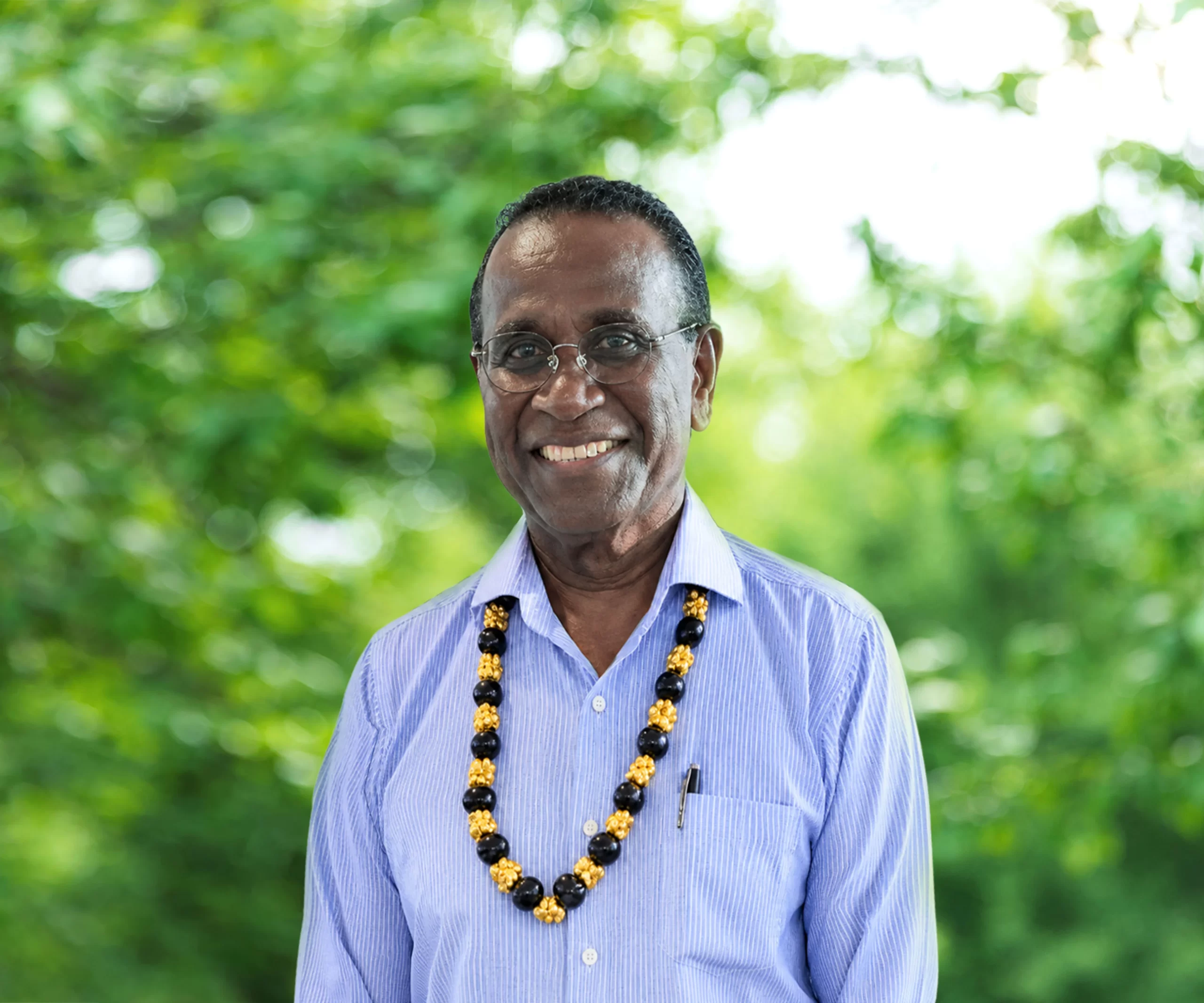
Solomon Islands must ensure its new treaty with Australia delivers practical benefits for ordinary citizens, including better policing, education opportunities, economic access and long-term financial security, Solomon Islands National University(SINU) Vice-Chancellor Dr Transform Aqorau says.
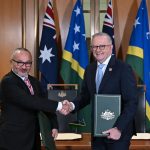
In an assessment of the Australia-Solomon Islands Treaty signed by Prime Ministers Anthony Albanese and Matthew Wale in Canberra, Aqorau said the key test was what Solomon Islanders would be able to do in five years that they could not do before the agreement.
The treaty brings security, development, education and mobility cooperation under one framework.
Aqorau said while Australia’s continued support for the Royal Solomon Islands Police Force (RSIPF) was important, greater attention needed to be given to the working conditions of frontline officers, particularly those serving in provincial areas.
He noted that Australian Federal Police advisers continued to provide training, specialist expertise and equipment, building on arrangements established during the Regional Assistance Mission to Solomon Islands (RAMSI).
However, he questioned how the commitment to a modern and self-reliant police force would be achieved if officers continued to face inadequate housing, transport and communications.
“The test of this partnership is whether our own officers have the tools and conditions they need to serve their communities every day,” Aqorau said.
He described Australia’s commitment to help establish and capitalise a Solomon Islands sovereign wealth fund as significant, but said its success would depend on the rules governing its operation.
Aqorau said the Government needed to determine what revenues would be paid into the fund, when withdrawals could be made and how the public would be informed about its investments and finances.
“Those rules will determine whether the fund serves the country across successive governments,” he said.
However, Aqorau identified economic integration as the biggest missed opportunity in the treaty.
While the agreement provides for longer permitted stays, extended visa validity and visa facilitation in Honiara, he said he would have preferred a commitment allowing Solomon Islanders visa-free entry into Australia for visits of up to 30 days.
He said easier short-term travel would benefit small business owners, academics and families, while creating opportunities for trade, investment and professional relationships.
“Easier short visits would give more Solomon Islanders a chance to build the relationships from which trade, investment and professional opportunities grow,” he said.
Education was another area where Aqorau said the two countries could pursue more ambitious cooperation.
He called for Solomon Islands National University (SINU) to work with Australian universities and vocational institutions to jointly develop and deliver programmes, establish credit-transfer arrangements and engage relevant accreditation and professional bodies.
Aqorau said students should be able to begin their studies at SINU with a clear understanding of which credits would be recognised by Australian partner institutions and the professional pathways available through their qualifications.
“Done well, this would give students more choices while strengthening the quality and standing of the programmes we deliver here at home,” he said.
Aqorau said the treaty’s implementation plan provided an opportunity for both governments to pursue these proposals.
He stressed that while the agreement established a framework for cooperation and support, Solomon Islands retained responsibility for deciding its priorities and the partnerships needed to achieve its development goals.
“Within those commitments, we still have choices about what we prioritise, how we work with Australia and how we develop our other partnerships,” he said.
“Australia can help us build a stronger police force, establish a sovereign wealth fund and widen opportunities for our students and businesses.”
Aqorau said the responsibility for determining the country’s future and the partnerships that would help shape it ultimately rested with the people of Solomon Islands.