Home Blog Page 1196

Climate change expert warns of severe cyclones

The Pacific Island Forum climate change adviser Exsley Taloiburi has warned of more severe tropical cyclones in the region in the coming years.

Taloiburi said at the beginning of this year, Fiji had about three cyclones that wreaked in six weeks.

He said for the last seven years there have been six category five cyclones impacting the region with an average annual cost of US$500 million.

“Primarily at a time when a lot of our countries are incurring a lot of debt to respond to the virus there are recurring impacts of disasters,” he said.

“The three important issues ministers will be deliberating on next week for the forum economic ministers meetings are debts, coronavirus and natural disasters.

“I will start off by providing a bit of an update on the climate finance paper first and then move on to the disaster risk financing paper,” he said.

He said the current challenges that regional countries are facing is further exacerbated with the impacts of climate change, which at the moment is not slowing down.

SOURCE: FIJI LIVE/PACNEWS

Battle not yet lost, says Fiji’s Heath Secretary Dr Fong

We are not giving up the fight against the COVID-19 virus in Fiji.

This was the statement by Health Ministry permanent secretary Dr James Fong as the COVID-19 cases continued to soar, with a record 791 cases announced on Wednesday.

Dr Fong remained adamant that the battle was not yet lost.

“We are just shifting our priorities to mitigate the worst effects of the virus by optimising the use of what resources we have,” he said.

When asked whether the ministry would makes changes to its current strategy in addressing the pandemic, Dr Fong remain steadfast on the ministry’s overall plan.

“Our plan is to reduce risk of severe illness among infected people, reduce risk of death amongst those with COVID-19 and for other illnesses.”

“We want to slow down transmissions in specific settings and communities, increase community engagement and COVID-19 safe practices as well as protect the wider community and maintain COVID-free status in the Northern and Eastern divisions,” he said.

Meanwhile, the COVID-19 pandemic has turned into a mental health epidemic, says mental health specialist Selina Kuruleca.

And for this, Fiji’s renowned psychotherapist is pleading with Government to listen to people who are suffering during the pandemic.

She highlighted this issue during a virtual conference about the impact of the pandemic.

“We have a mental health epidemic on our hands,” Kuruleca said.

She said mental health was the ability to function in spite of what life threw at people.

“People need to be heard on the ground and they need to know that somebody cares for them.”

She said the living style in Fiji was such that people looked out for their neighbours in times of uncertainty within our communities.

“But this is not the case when push comes to shove. Case such as Qauia, according to information from the ground, Government has delivered only two sets of food rations. What people need is that they need to be reassured that Government cares about them.”

She said it was the responsibility of any government to oversee the welfare of its people.

“It’s the responsibility of Government to look after health, education and the infrastructure of any nation.”

She said life in poverty-stricken communities had worsened during the pandemic and there were settlements where about 10 to 15 people lived together in a small home.

“This did not happen overnight and their situation has deteriorated rapidly since the COVID-19 pandemic.”

She said government food assistance was not enough and that people needed to be shown care so that they could live a simple yet dignified life.

SOURCE: FIJI TIMES/PACNEWS

Time running out for countries on climate crisis front line

The world’s running out of time to limit global temperature rise to below two degrees Celsius, a matter of life or death for climate vulnerable countries on the front line of the crisis, the UN Secretary General reiterated on Thursday.

Speaking to the first Climate Vulnerable Finance Summit of 48 nations systemically exposed to climate related disasters, António Guterres said they needed reassurance that financial and technical support will be forthcoming.

“To rebuild trust, developed countries must clarify now, how they will effectively deliver $100 billion in climate finance annually to the developing world, as was promised over a decade ago”, he said.

The UN chief said that to get the “world back on its feet”, restore cooperation between governments and recover from the pandemic in a climate resilient way, the most vulnerable countries had to be properly supported.

Guterres asked for a clear plan to reach established climate finance goals by 2025, something he promised to emphasise to the G20 finance ministers at their upcoming meeting this week.

He added that the development finance institutions play a big role supporting countries in the short-term, and they will either facilitate low carbon, climate-resilient recovery, or it will entrench them in high carbon, business-as-usual, fossil fuel-intensive investments. “We cannot let this happen”, he said.

The Secretary-General reminded that the climate impacts we are seeing today – currently at 1.2 degrees above pre-industrial levels – give the world a glimpse of what lies ahead: prolonged droughts, extreme and intensified weather events and ‘horrific flooding’.

“Science has long warned that we need to limit temperature rise to 1.5 degrees. Beyond that, we risk calamity… Limiting global temperature rise is a matter of survival for climate vulnerable countries”, he emphasised.

The UN chief highlighted that only 21% of the climate finance goes towards adaptation and resilience, and there should be a balanced allocation for both adaptation and mitigation.

Current adaptation costs for developing countries are US$70 billion dollars a year, and this could rise to as much as US$300 billion dollars a year by 2030, he warned.

“I am calling for 50 percent of climate finance globally from developed countries and multilateral development banks to be allocated to adaptation and resilience in developing countries. And we must make access to climate finance easier and faster”.

The UN chief also welcomed on Thursday a new report from the World Meteorological Organisation (WMO) which reveals that an estimated 23,000 lives per year could be saved – with potential benefits of at least US$162 billion per year – through improving weather forecasts, early warning systems, and climate information, known as hydromet.

In a video message to mark the publication of the first Hydromet Gap Report,, the Secretary-General said that these services were essential for building resilience in the face of climate change.

Guterres called once more for a breakthrough on adaptation and resilience in 2021, with significant increases in the volume and predictability of adaptation finance.

He noted that Small Island Developing States and Least Developed Countries where large gaps remain in basic weather data, would benefit the most.

“These affect the quality of forecasts everywhere, particularly in the critical weeks and days when anticipatory actions are most needed”, he said.

According to WMO, investments in multi-hazard early warning systems create benefits worth at least ten times their costs and are vital to building resilience to extreme weather.

Currently, only 40 percent of countries have effective warning systems in place.

SOURCE: UN NEWS CENTRE/PACNEWS

No jab, no job – Fiji Government policy enforced through law

All employers and employees in Fiji’s private sector and statutory bodies are to receive at least one dose of the COVID-19 vaccine by 01 August, 2021 in accordance with the Health and Safety at Work Act.

Prime Minister Voreqe Bainimarama highlighted this while delivering his statement Thursday night.

He said: “It is simply unfair for anyone to risk the health of their co-workers or their customers, or risk undermining a business’s operations because they refuse to get a vaccination that is known to be safe and effective.”

“It does not matter if you are the CEO of a company, a sole trader, or a salaried employee – you must be vaccinated to continue working or else that business will risk being shut down,” Bainimarama said.

“No jabs, no job – that is what the science tells us is safest and that is now the policy of government and enforced through law,” he said.

“We have not locked everyone in their homes for all hours of the day. A period of 28 days of a hard lockdown — as some are calling for — cannot be strictly enforced everywhere in Fiji and our experts tell us it would not kill off the virus. But it would kill jobs and it could kill our country’s future. Instead, we have given you the ability to shop for food, withdraw money, access medicine, go to work and sustain your livelihoods to provide for your families — but that freedom comes with responsibility because every Fijian deserves to go about their business with an assurance of safety – to interact, to transact, to shop, and to work under COVID safe protocols.

“That is why we are asking that all employers and employees in Fiji — including civil servants — be vaccinated as a condition of their employment. From the view of your government, asking civil servants to be vaccinated falls well in line with the duty of care we owe you and every Fijian. We in government strive to be best possible servants of the people, and we cannot serve the people if we are sick or if we can be carriers of a deadly virus,” said Bainimarama.

He said under the Fijian Constitution, guidelines can be issued by government to which all civil servants must adhere.

“Civil servants who have not received their first dose of the vaccine must go on leave from Monday next week. They cannot come back to work until they receive at least the first dose of the vaccine. That must be done by 15 August 2021, after which they may return to work so long as they go on to be fully vaccinated by 01 November 2021.

“If they do not adhere to these guidelines they will be dismissed from work,” Bainimarama emphasised.

He said the end of this ordeal will come.

“Until it does, we must remain vigilant until more of us are protected. Get vaccinated. Wear your mask. Maintain physical distance from others. Install the careFIJI app we’ve developed to protect you. And adhere to the instructions from Dr James Fong and his health teams.

“These simple measures slow the spread and prevent more cases of severe disease and death, and they should all be obvious to everyone by now. We’re going to every length imaginable to get the word out. We’ve published this guidance everywhere we can –– on billboards, on radio, on social media, and on television –– in all three languages. And we’ve been doing so for more than one year.

“We even have teams of people –– including the RFMF –going around with hailers to communities telling adults to wear masks, to not share cigarettes or bowls of grog, and respect the rules we have in place. These are not children we’re trying to reach, these are full-grown adults. Still, some will not listen. Because common sense is not so common for some, new penalties will take effect from next week:

– If you’re one of the fools mucking about in public without a mask, you will receive a fine on the spot.
– If you do not comply with the curfew hours, you will be fined.
– If patrons of your business are not wearing a mask, they will be fined and so will your business.
– If you hold any social gathering; if you play contact sports; if you violate a home quarantine or isolation order; if you consume kava or liquor with others outside of your home; or if you leave a containment area, you will be fined,” said Bainimarama.

He said the Police, designated staff of the Ministry of Commerce, Trade, Tourism and Transport and the Fijian Competition and Consumer Commission will be given powers to enforce these new penalties.

“You’ll see there that these on the spot fines range from $20(US$10) for individuals and up to $4,000(US$2,000) to companies depending on the severity of the offence. We’re serving fines so that we don’t crowd our cells with offenders.

“We hope these fines serve as a deterrence. We don’t want to lock people up and we don’t want your money. We want you to follow the rules. This is a matter of saving lives — and we will not hesitate to punish the reckless rule-breakers whose actions put the rest of the nation at risk,” said PM Bainimarama.

SOURCE: FIJI TIMES/PACNEWS

Pacific leaders join forces ahead of landmark climate summit

Pacific leaders Thursday (08 July) met COP26 President Alok Sharma to set out their priorities for the major climate change summit in November.

Underscoring what is at stake for the Pacific, leaders and Ministers from 11 countries across the region joined a virtual dialogue hosted by the UK to outline their commitment to ramping up climate action and urge for more decisive action from the largest greenhouse gas emitters.

The UK is hosting the next United Nations climate change conference, known as COP26, in Glasgow in November. This major event will bring world leaders together to discuss and agree urgent action to tackle the climate crisis.

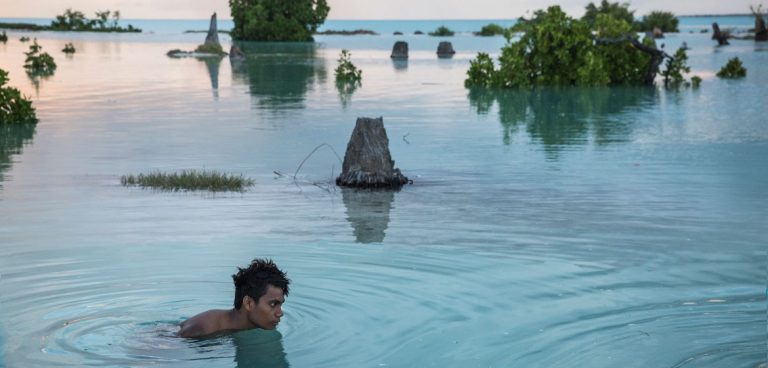
With Pacific countries at the frontline of the impacts of climate change – from more extreme weather to rising sea levels and coastal erosion – the region has a unique moral authority on climate change and can play a crucial role in framing the agenda during COP26 to drive more ambitious action from the biggest emitting countries.

During Thursday’s UK-Pacific Climate Dialogue, representatives from Fiji, the Federated States of Micronesia, Palau, Tuvalu, Niue, Republic of Marshall Islands, Cook Islands, Solomon Islands, Vanuatu, Nauru and Samoa outlined the disproportionate and devastating impacts climate change – a phenomenon not of their creation – has on livelihoods across the Pacific region.

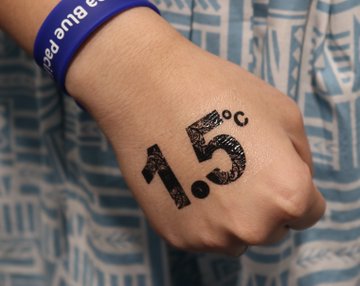
They urged further ambitious action from developed countries around the world to curb emissions and limit global warming to 1.5°C, and called for COP26 to deliver a step-up in finance for Small Island Developing States both in mitigation and adaptation action. They also underlined the importance of ocean issues in climate negotiations.

The event was hosted by COP26 President, Alok Sharma, who reaffirmed his commitment to an inclusive COP26 that delivers for the most climate vulnerable countries, including those across the Pacific.

COP26 President-Designate, Alok Sharma, said:

“The discussions we have had today set important foundations for Glasgow, as we move toward building agreements that work for everyone, particularly those most affected by climate change.

“Pacific islands are at the forefront of a crisis they did next to nothing to cause, with a temperature rise above 1.5°C presenting an existential threat to their future. Many are showing real leadership on tackling climate change. The G20 and other major emitters now have a moral responsibility to follow this example, and that of the G7, by taking urgent action to keep 1.5°C alive.”

Climate activist and youth leader from the Solomon Islands, Gladys Habu, also joined the event to urge countries to step up action.

She said:

“My only request is that each respective Pacific island country must prioritise the climate crisis by declaring it a climate emergency. This declaration will be symbolic of your national commitment to my generation.

“We contribute almost nothing yet we are at risk of losing everything. Please come and stand in our seas and feel for yourself the urgency and importance of your responsibility. The loss of my beloved Kale is my line in the sand and should be a red flag for our global community.”

Thursday’s UK Pacific Climate Dialogue was hosted by the UK Government in collaboration with Wilton Park and CROP – a COP-focused group of Pacific regional agencies.

With Pacific Island Countries playing an important role in pushing for greater ambition from bigger emitting countries, the high-level dialogue event is a key milestone on the road to COP26, held in Glasgow from 31 October -12 November.

COP26 will bring together world leaders to commit to urgent global climate action, focusing on four goals:

*Mitigation: Securing global net zero emissions by the middle of the century and reducing emissions by 50% by 2030 to keep the goal of limiting temperature rises to 1.5 degrees within reach;

*Adaptation: Helping countries affected by climate change to adapt to protect communities and natural habitats;
*Finance: Mobilising at least US$100 billion per year in finance from developed countries to support climate action;

*Collaboration: Working together with businesses, civil society and governments to rise to the challenges of the climate crisis.

The UK is using its COP Presidency to urge all countries to set targets to get to net zero by the middle of the century, and to come forward with ambitious 2030 emissions reduction targets.

Around 70 percent of the world economy is now covered by net zero targets, up from less than 30 percent when the UK took on the COP26 Presidency.

The UK Government will continue to work closely with Pacific partners over the coming months to understand their priorities and ambitions for COP26.

SOURCE: SPREP/PACNEWS

Ongoing uncertainty may well now justify the doctrine of necessity: Samoa Supreme court

The current (political) climate of ongoing turmoil and uncertainty, may well now justify the operation of the doctrine of necessity to validate the events of the 24 May 2021 swearing-in outside the chambers of Samoa Parliament so that the business of lawful governance of the nation can proceed.

So ruled the Supreme Court late Thursday on the motion by the Attorney General to stay the Supreme Court 28 June decision to convene parliament within seven days and failing to do so will justify revisiting the issues of necessity and whether the doctrine to be invoked and declare the swearing on of 24 May valid.

On Monday, 05 July, the last of the seven days the court ordered for Parliament to convene, the Attorney General filed to appeal the decision. They also filed an application direct to the Court of Appeal “without following the normal process of first seeking leave from the Supreme Court which means the Court of Appeal is now seised of these proceedings.”

On Tuesday, 06 July, the respondents, the FAST Party and others, sought further court orders to enforce the 28 June 2021 decision and asked for a hearing this week.

According to the Supreme Court decision, [7]“Considering time is of the essence and the last minute filing of these challenges, it seems to us the Applicant is procrastinating in an effort to delay expeditious and final adjudication of this matter.

“This is consistent with the latest late night “Proclamation” issued by the Head of State on Sunday 04 July 2021 around 10pm lambasting a judgement that was some six (6) days earlier.”

According to the ruling, [11] “The caretaker Prime Minister and his administration sadly now including the Head of State, which ideally should be a bipartisan non-political office similar to the Governor General of New Zealand, on several occasions since the decision, have publicly defied the Supreme Court Order and continued attacks on the courts integrity and independence. Notwithstanding the fact that it is the court in any functioning democracy that is charged with the responsibility of interpreting the Constitution and pronouncing on the law. A fact championed on many previous occasions by the same personages.”

The court also highlighted the doctrine of “separation of powers” which Samoa accepted upon Independence as evidenced by its Constitution.

“There is no freedom if the power to judge is not separate from the legislative and the executive power.”

When the Supreme Court declared void the swearing-in outside the Parliament chambers on 24 May 2021, it said the prevailing circumstances at the time in the courts view, did not justify the application of the doctrine of necessity to validate the swearing-in.

“But the court was satisfied that there were clear attempts to derail the convening of Parliament in accordance with the Constitution. It was also mindful that there may be ongoing efforts to prevent proper Constitutional processes. The indicators were and are obvious to the court and to everyone.”

In its conclusions, the Supreme Court upheld its previous decision that the Head of States Proclamation of 20 May 2021 to convene parliament on 24 May was proper and lawful.

The subsequent Proclamation the Head of State issued on 22 May 2021 to cancel the convening of Parliament, “is in excess of the Head of States Constitutional powers and would therefore be null and void.”

Article 52 of the Constitution gives power to the Head of State to summon Parliament “at such times and at such places” as designated by him is expressly made subject to the proviso that the Legislative Assembly “shall meet no later than 45 days after the holding of the General Elections…”

In its ruling, the court said, “We are severely concerned that some 90 days has now elapsed since the 2021 general elections. This is twice the time mandated by article 52 for Parliament to meet. Hence why we consider time to be the essence in this matter.”

The court has ruled to refer all the applications on this matter to the Court of Appeal of Samoa to hear and finally determine at 1200 noon today, Friday 09 July 2021.

The decision was by the panel of Judges that included Justice Vui Clarence Nelson, Justice Fepuleai Ameperosa Roma and Justice Lesatele Rapi Vaai.

SOURCE: TALAMUA ONLINE/PACNEWS

Fiji records 721 new cases and six deaths reported

Fiji has reported 721 new positive COVID-19 cases and six deaths Thursday.

Ministry of Health and Medical Services permanent secretary Dr James Fong said the first COVID-19 death is an 80-year-old woman from Vatuwaqa.

Dr Fong said a ministry response team attended to her at home and, assessing that she was severely ill, transferred her to the FEMAT field hospital.

He said she reportedly had been having symptoms of COVID-19 at home for approximately three weeks.

“Her conditions worsened at the FEMAT field hospital and she died a few hours later. She was not vaccinated,” Dr Fong said.

He said the second COVID-19 death is an 80-year-old woman from Mead Road.

“She was declared dead on arrival by the attending medical officer at the CWMH Hospital Emergency Department,” he said.

“This means that she died at home or on her way to the hospital. Her family reported that she had been unwell for at least three days at home. She was not vaccinated,” he added.

“The third COVID-19 death is a 51-year-old woman from Gaji Road. She was admitted at the CWM Hospital with COVID-19 symptoms (fever, cough and generalized body pains). Her condition worsened in hospital and she died 11 days after admission. She was not vaccinated.

“The fourth COVID-19 death is a 44-year-old man from Laucala Beach Estate. He presented to the CWM Hospital emergency department in severe respiratory distress. His family reported that he had COVID-19 symptoms (fever, cough, shortness of breath, weakness and headache) for one week. His condition worsened in hospital and he died 4 days after admission. He received his 1st dose of the vaccine in mid-June. He had not received the second dose of the vaccine and was not fully vaccinated.

“The fifth COVID-19 death is a 68-year-old woman from Delainivesi, Lami. Her family brought her to the CWM Hospital Emergency Department after she was noted to be unresponsive. Her family reported that she had been feeling unwell at home two days before. She died on the same day. She was not vaccinated.

“The sixth COVID-19 death is a 52-year-old woman from Raiwai. She was brought by her family to the CWM Hospital Emergency Department. Her family reported that she had been unwell with cough, shortness of breath, generaliSed weakness and vomiting, for at least three days. Her condition worsened in hospital and she died one day later. She was not vaccinated.” said Dr Fong.

He said there have now been 48 deaths due to COVID-19 in Fiji, with 46 of these deaths during the outbreak that started in April this year

“We also have recorded 19 COVID-19 positive patients who died from the serious medical conditions that they had before they contracted COVID-19.

“There have been 101 new recoveries reported since the last update, which means that there are now 7,138 active cases. There have been 8,591 cases during the outbreak that started in April 2021. We have recorded a total of 8,661 cases in Fiji since the first case was reported in March 2020, with 1,456 recoveries,” said Dr Fong.

He said 184,613 samples have been tested since this outbreak started in April 2021, with 227,474 tested since testing began in early 2020.

“The national 7-day daily test average is 3502 tests per day or 4 tests per 1,000 population. The national 7-day average daily test positivity is 14.4% and continues on an upward trend.

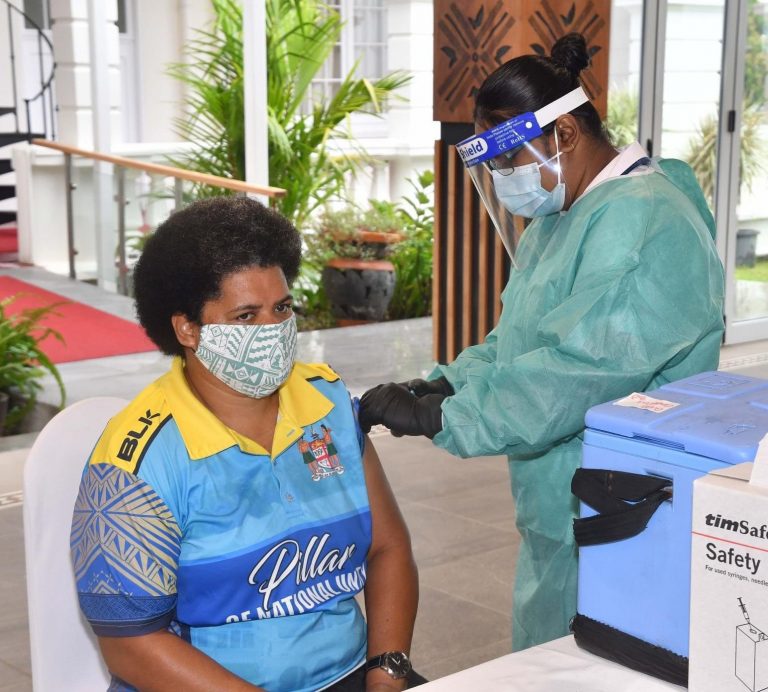
“As of 07 July, 335,305 adults in Fiji have received their first dose of the vaccine and 59,574 have received their second doses. This means that 57% of the target population has received at least one dose and 10.2% are now fully vaccinated nationwide,” said Dr Fong

He said the 7-day average of new cases per day has increased to 545 cases per day or 615 cases per million population per day.

“Daily case numbers are expected to continue to increase, along with an increase in people with COVID-19 requiring hospitalisation, and sadly, more deaths.

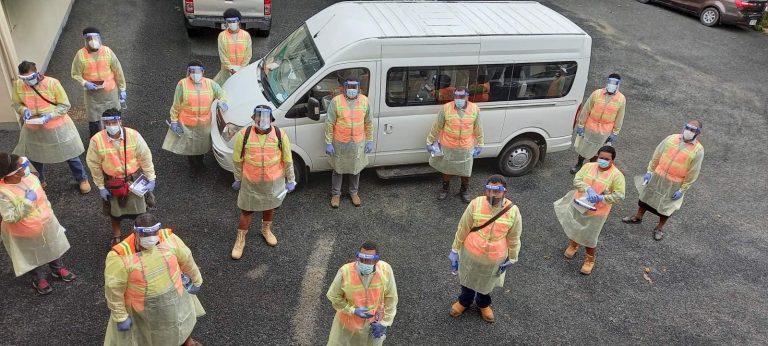
“Our FEMAT field hospital has begun the transition into a COVID-19 dedicated hospital. And we have set up an emergency number 165 for people with severe COVID-19 symptoms to contact if they cannot get to a hospital themselves.

“Sadly, we continue to see people with severe COVID-19 dying at home or coming to a medical facility in the late stages of severe illness and dying within a day or two. Severe COVID-19 is a medical emergency and a delay in receiving appropriate medical treatment may result in a higher risk of death,” Dr Fong stressed.

SOURCE: FIJI TIMES/PACNEWS

COVID death toll passes 4 million: Global Vaccine Plan essential, declares UN Chief Guterres

The global death toll due to COVID-19 officially passed four million late on Wednesday, marking yet another “grim milestone” and underlining the urgent need for the world to put a Global Vaccine Plan in place to get the pandemic under control, said the UN chief in a statement.

“Many of us know this loss directly and feel its pain”, said Secretary-General António Guterres. “We mourn mothers and fathers who gave guidance, sons and daughters who inspired us, grandmothers and grandfathers who shared wisdom, colleagues and friends who lifted our lives.”

He said that while vaccines “offer a ray of hope” most of the world lagged behind: “The virus is outpacing vaccine distribution. This pandemic is clearly far from over; more than half its victims died this year. Many millions more are at risk if the virus is allowed to spread like wildfire.”

The more COVID-19 spreads, the more variants we see, the UN chief noted, some of which are more transmissible, more deadly and more likely to undermine the effectiveness of current vaccines.

“Bridging the vaccine gap requires the greatest global public health effort in history”, he said, calling for a Global Vaccine Plan to at least double production of vaccines and ensure equitable distribution, using the UN-supported COVAX international COVID inoculation facility, as the main platform.

Guterres said an effective global plan would support implementation and financing; increase countries’ readiness and capacity to roll out immunisation programmes, and tackle “the serious problem of vaccine hesitancy.”

“To realise this plan, I am calling for an Emergency Task Force that brings together all the countries with vaccine production capacities, the World Health Organisation (WHO), the global vaccine alliance GAVI, and international financial institutions able to deal with the relevant pharmaceutical companies and manufacturers, and other key stakeholders.”

The Secretary-General said that vaccine equity was “the greatest immediate moral test of our times”, calling it a practical necessity. “Until everyone is vaccinated, everyone is under threat”, he concluded..

SOURCE: UN NEWS CENTRE/PACNEWS

Fiji PM joins Pacific leaders and UK at high level climate dialogue

0

Pacific Island Leaders and the United Kingdom convened a High Level Climate Dialogue Thursday to discuss the priorities ahead of COP26 to be held in Glasgow in November this year.

The meeting led by the Secretary of State and COP26 President Alok Sharma provided an opportunity to update Pacific Leaders on the progress of key issues, and hearing first hand from leaders, their priorities in the build up to COP26 – which is expected to deliver progressive outcomes for a sustainable future. The event recognised the important role that Pacific Island Countries (PICs) have in delivering progressive climate action for COP26.

Prime Minister and Chair of the Pacific Small Island Developing States (PSIDS) Voreqe Bainimarama joined the leaders in calling for collective and urgent action to confront climate change.

PM Bainimarama said the global average temperature is now at 1.2 degrees Celsius higher than pre-industrial levels and we are already seeing devastating impacts across the world with three major tropical cyclones having devastated Pacific Small Island Developing States in a span of just 1 year.

He said the commitments made at the recent Biden Summit, if fulfilled, will help reduce the gap between current Nationally Determined Contributions (NDC) and a 1.5 degree pathway by approximately 14%.

“But that is not enough. High-emitting countries, particularly from the G20, must commit to greater decarbonisation targets now. Only 40% of countries that are party to the Paris Agreement have submitted their updated NDCs, and the rest continue to kick the can down the road with vague promises and empty commitments. However, I must commend the United Kingdom for its commitment to embed into law its carbon-reduction target of 78% below 1990 levels by 2035. You are leading by example, and other developed nations must follow suit. I hope you will continue to press them in the G7, the G20 and your bilateral discussions.”

Prime Minister Bainimarama said COP26 must produce a dramatic change in global climate ambitions and set clear pathways for rapid emission-peak, preferably by 2025; the only realistic chance to achieve net-zero global emissions by 2050.

Further adding that Fiji does not ask any nation to do what we are unwilling to do and we are committing to net-zero decarbonisation from multiple sectors.

Prime Minister reiterated that access to sufficient and affordable climate finance continues to lag far behind the needs of Pacific Small Island Development States.

“We commend the G7’s recognition in the Carbis Bay Summit Communique that Developed Countries must increase international public climate finance contributions, particularly to adaptation.

“COP26 must not only expedite this commitment, it should also establish a clear pathway to setting a new quantified goal on climate finance for 2025 and beyond. As COVID-19 continues to cause economic havoc and overwhelm health systems in the Pacific, our development partners must significantly reduce debt as an instrument of climate finance. Piling on more debt is not the answer. The better approach is to unlock private-sector finance through grant-based or highly concessional de-risking funds.”

Prime Minister Bainimarama commended the work of the COP26 Presidency in establishing the Santiago Network and hoped that it can address substantive financing issues.

“Finally, reaching an agreement on Article 6 is critical for Pacific Small Island Developing States because a 5% share of proceeds to adaptation efforts will enable a steady stream of finance for at least the Adaptation Fund. A landmark decision on Oceans is also expected at COP26 that does justice to the Oceans pathway championed by Fiji at COP23. We thank the COP26 Presidency and the COP25 Presidency of Chile for helping shape an entry point for the Oceans agenda into the UNFCCC process.”

Reaffirming Fiji’s support, Prime Minister Bainimarama said that with less than 4 months remaining until COP26, Fiji looks to the UK COP26 Presidency with great optimism.

“As a former COP President, I understand the weight of responsibility on your shoulders and stand ready to assist wherever and whenever needed.”

Leaders from across the Pacific including Fiji, Niue, Samoa, Cook Islands, Palau, Papua New Guinea, Solomon Islands, Vanuatu, Federated States of Micronesia, Kiribati, Nauru, Republic of Marshall Islands, Tonga and Tuvalu participated in this Pacific-UK High Level Climate Dialogue.

SOURCE: FIJI GOVT/PACNEWS

Developing nations, UN seek clear plan for promised climate finance

Pressure is growing on rich countries to set out exactly how they will deliver a promised US$100 billion a year in funding to help poorer nations tackle climate change, with the UN chief and Britain on Thursday calling for a clear plan.

At a summit hosted by Bangladesh, finance ministers from a group of developing economies particularly vulnerable to climate impacts, known as the V20, urged wealthy governments to outline “how and when” they will meet the pledge between now and 2024.

UN Secretary-General Antonio Guterres said in a video address to the online meeting that “a clear plan” was needed to deliver on the climate finance target through to 2025.

“To rebuild trust, developed countries must clarify now how they will effectively deliver US$100 billion in climate finance annually to the developing world, as was promised over a decade ago,” said the UN chief.

In 2009, donor governments agreed to increase climate finance channelled to vulnerable nations to $100 billion a year by 2020. Under the 2015 Paris Agreement they said they would negotiate a yet-higher amount that would kick in from 2025.

But the latest figures from the Organisation for Economic Co-operation and Development show that in 2018 about US$80 billion was delivered, while a UN-commissioned report said in December it was unlikely the US$100-billion goal had been met in 2020 amid the economic woes of the coronavirus pandemic.

On Thursday, Guterres asked rich nations and multilateral development banks to allocate half of their international climate finance to efforts to help poor countries and communities adapt to worsening extreme weather and rising seas.

Currently, funding to boost resilience is hovering at only about a fifth of total climate finance for developing nations, with the rest going to projects to cut planet-warming emissions by moving away from fossil fuels and adopting renewable energy.

Under the Paris accord, about 195 countries agreed to rein in their emissions to keep global temperature increases “well below” 2 degrees Celsius above preindustrial times, and ideally to 1.5C, to avert the worst effects of climate change.

But the planet has already warmed by about 1.2C, and is on track to heat up by close to 3C as emissions continue to rise around the globe, scientists say.

A growing number of major economies have pledged to cut their emissions to net zero by mid-century and are setting stronger reduction targets for 2030.

But the most vulnerable countries with lower emissions need financial and technical support to invest in renewable energy and tackle climate-induced disasters, said UN chief Guterres.

Alok Sharma, the British official who will preside over the COP26 UN climate talks this November, wrote in a commentary for the Thomson Reuters Foundation that the world needed a “big push” on climate finance ahead of those negotiations.

“It is essential for helping developing countries on a path to a clean, green future. With support, these countries can leapfrog polluting technologies as their economies develop, and protect themselves from climate change,” he wrote on Thursday.

He urged G7 countries to step up before COP26 with commitments of fresh finance for the coming five years, and called for a plan to be published to deliver the US$100 billion.

Bangladesh Prime Minister Sheikh Hasina, who opened the V20 summit, said that while the 48 member countries of the Climate Vulnerable Forum accounted for only 5% of global emissions, they were the “worst victims” of the man-made climate crisis.

The ongoing COVID-19 pandemic has added “new miseries” and affected the livelihoods of millions, particularly in Asia-Pacific, Africa and Latin America, she noted.

“We would like to call upon the developed countries to reduce their carbon emissions drastically. We also count on the delivery of the agreed US$100 billion per annum as climate finance,” she told the online meeting.

The demand for rich nations to meet their finance pledge was echoed by the presidents of Ethiopia, Colombia, Costa Rica and the Marshall Islands. Latin American leaders also requested a far higher proportion be given as grants rather than loans.

US climate envoy John Kerry said it was “imperative” the US$100-billion pledge be met by COP26.

“And the promise going forward is that we’re going to do what we need to do to bring larger amounts of finance to the table”, including from banks and other investors, he added.

The V20 on Thursday launched its own “Vision 2025” plan which aims to deploy more renewable energy, foster low-carbon investment, expand insurance against extreme weather and create green jobs..

SOURCE: REUTERS/PACNEWS

Stay connected

529FansLike
172FollowersFollow
156SubscribersSubscribe
- Advertisement -