
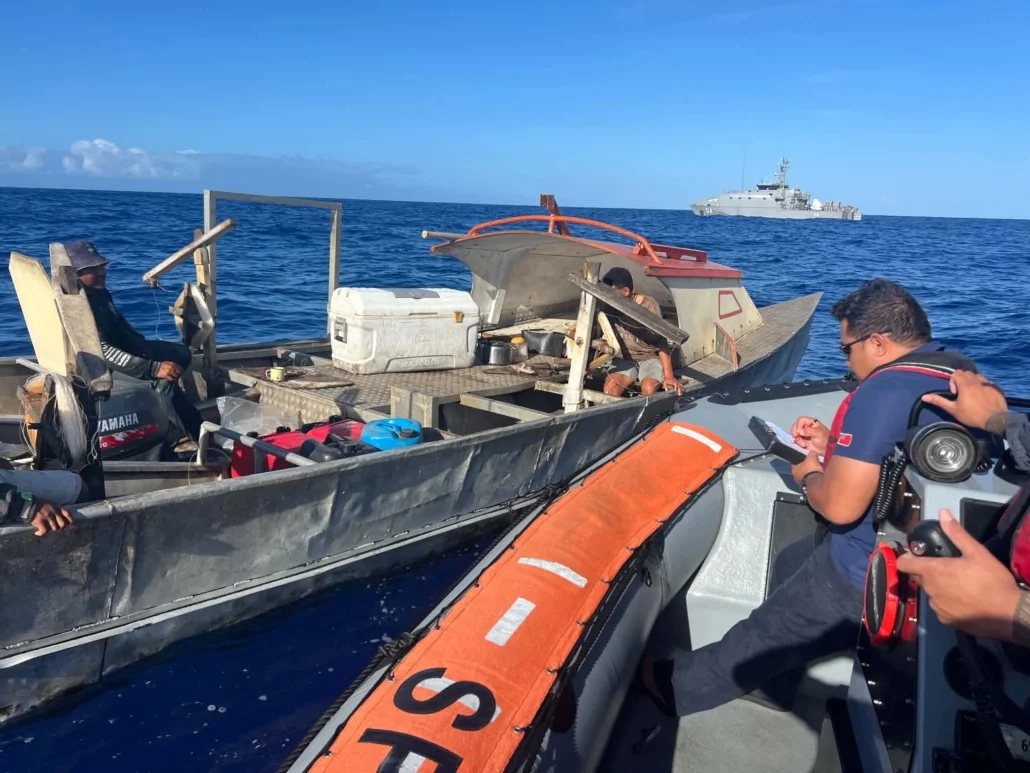
Members of the Pacific Islands Forum Fisheries Agency (FFA) covered approximately 30.5 million square kilometres of ocean during Operation KURUKURU 2026, wrapping up the Agency’s largest regional fisheries surveillance operation of the year.
Operation KURUKURU was coordinated through FFA’s Regional Fisheries Surveillance Centre (RFSC) at the Agency’s headquarters in Honiara, Solomon Islands from 5 – 16 October 2026. It brought together fisheries, maritime, law enforcement and defence personnel from FFA’s 17 Members, with operational support from Australia, France, New Zealand and the United States.
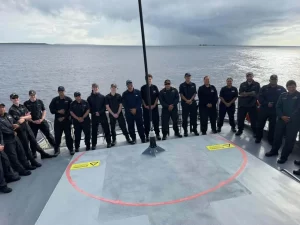
The operation focused on detecting and deterring illegal, unreported and unregulated (IUU) fishing, strengthening fisheries compliance and supporting coordinated surveillance and enforcement activities across the Pacific region.
The two-week operation recorded over 27,000 satellite detections using satellite remote sensing technology. Surveillance activities also recorded 149 vessel sightings and 82 at-sea and dockside boardings and inspections across participating maritime jurisdictions.
Surveillance and intelligence activities identified 13 vessels of interest (VOIs). The operation also resulted in one vessel apprehension.
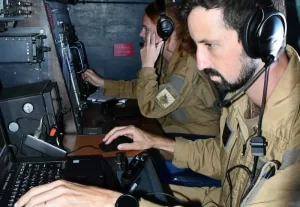
Coordination from the RFSC used satellite-based monitoring and remote sensing technologies, including Hawkeye 360, Starboard, BlackSky, Skylight and Copernicus, to support intelligence gathering, vessel monitoring and coordinated surveillance activities. These technologies were also incorporated into the trial of the Pacific Guardian Surveillance System (PacGuard), FFA’s new maritime surveillance system, which is scheduled for official launch in November 2026.
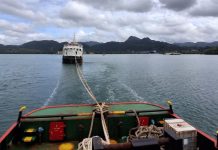
Intelligence gathered through these systems was shared with participating FFA Members to support targeted surveillance and enforcement activities at sea. These efforts involved patrol vessels deployed by Cook Islands, Fiji, Federated States of Micronesia, Kiribati, Marshall Islands, Palau, Samoa, Solomon Islands and Tonga alongside maritime assets from the United States.
Aerial surveillance support included aircraft from FFA’s Pacific Maritime Security Programme (PMSP), alongside aircraft provided by Australia, France, New Zealand and the United States.
Operation KURUKURU rounded off FFA’s annual programme of major coordinated regional surveillance operations, following the success of Operation RAI BALANG in March, Operation TUI MOANA in May and Operation ISLAND CHIEF in August.
While primarily focused on fisheries surveillance, these operations also monitored potential transnational criminal activities in the operational area, while supporting Members to take appropriate enforcement action within their respective maritime jurisdictions and WCPFC processes.
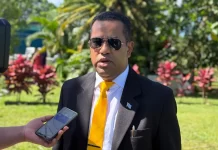
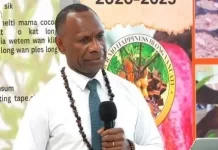
FFA Director-General Noan David Pakop said the operation demonstrated the importance of Pacific countries working collectively to protect the fisheries resources that support livelihoods, food security and national economies.
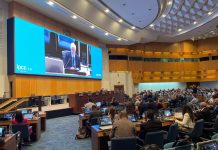
Speaking at the opening of the operation, Pakop highlighted the scale of the region’s maritime domain and the need for a coordinated regional response.
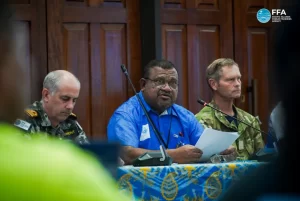 “No single nation, agency or capability can effectively monitor such an area alone. Our response must therefore be regional.”
He emphasised that effective regional surveillance depended on Pacific leadership, national ownership, trusted partnerships and information sharing.
“The success of KURUKURU will ultimately be measured not by the number of vessels, aircraft or systems involved. It will be measured by whether our collective efforts help our Members to protect their fisheries resources, strengthen compliance, deter illegal activity and make better-informed decisions in support of their national and regional interests.”
Throughout Operation KURUKURU 2026, participating countries coordinated maritime and aerial patrols, satellite surveillance and intelligence analysis to monitor fishing activities across their Exclusive Economic Zones and adjacent high seas areas.
Working through the RFSC, surveillance personnel and analysts combined information from multiple sources to identify high-risk fishing activities, assess potential violations and support targeted inspections and enforcement responses by national authorities.
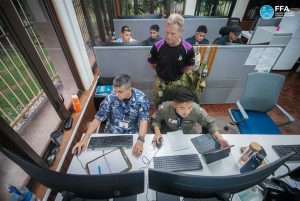
The operation drew on FFA’s Regional Information Management Facility (RIMF) and other maritime domain awareness tools to support information sharing and operational coordination between participating countries.
The operation also provided an opportunity to follow up on potential violations identified during previous surveillance activities and support Members in progressing appropriate enforcement action.
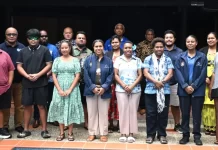
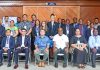
Ahead of the operation, 31 secondees from participating countries and partners travelled to Honiara for a week-long training programme at the RFSC, preparing them for their assignments during Operation KURUKURU 2026.
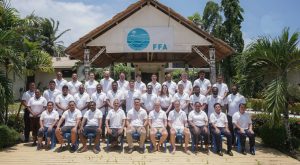
The training provided an opportunity for personnel from different national agencies and professional backgrounds to strengthen their understanding of regional surveillance systems, intelligence analysis, information sharing and operational coordination procedures.
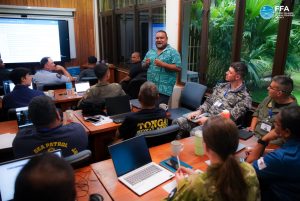
During the operation, these personnel worked alongside regional partners, with support from FFA surveillance officers and intelligence analysts at the RFSC, to coordinate activities across participating countries.
FFA acknowledges the support of the Pacific QUAD partners – Australia, France, New Zealand and the United States – alongside participating Member agencies, regional organisations and technical partners that contributed personnel, vessels, aircraft, surveillance capabilities and expertise.