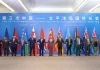


Pacific climate advocates have set out five red lines for governments to defend the 1.5°C target as ministers and negotiators gather in Fiji and Tuvalu for PreCOP31.
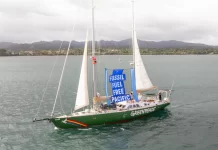
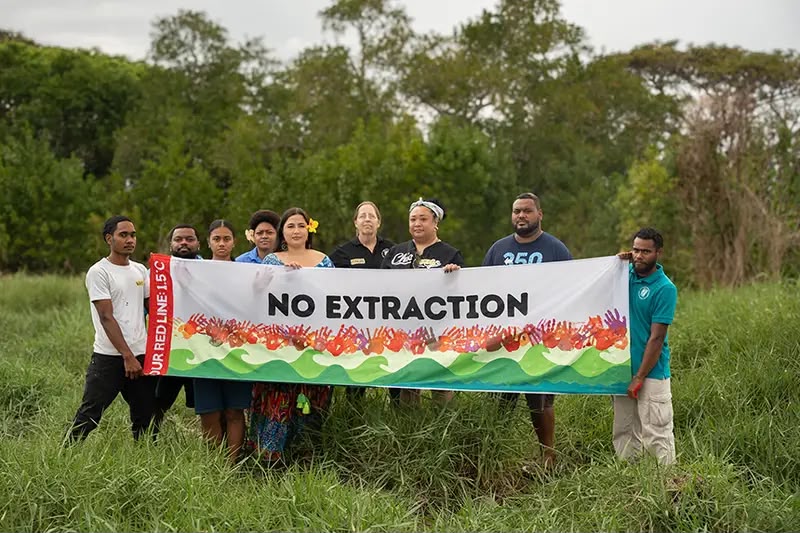
A visual action in Nadi has highlighted the demands contained in the annual Pacific Climate Justice Demands, developed through consultations involving a regional network of more than 290 organisations.
The five red lines call for:
* No false solutions – rejecting technologies, policies and financial mechanisms that allow emissions and extraction to continue while shifting risks and costs onto Pacific communities.
* A phase-out of fossil fuels – an immediate end to new oil, gas and coal exploration and extraction, a phase-out of existing production and consumption, and an end to fossil fuel subsidies.
*No new extraction – rejecting extraction projects imposed without genuine free, prior and informed consent, binding benefit-sharing and independent environmental assessments.
*Protection of the living planet – recognising Pacific peoples as rights-holders and defenders of the ocean, land and biodiversity they have stewarded for generations.
*No monetisation of non-economic loss and damage – ensuring responses recognise the difference between payment and reparation and do not reduce Pacific cultures, identities and grief to a monetary value.
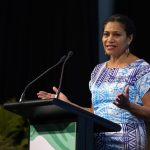
350.Org Pacific Campaigner Jacynta Fa’amau said the region was facing the prospect of temporarily exceeding the 1.5°C threshold, but governments still had control over how long temperatures remained above it.
“We will breach 1.5 degrees in the next decade, that is the disturbing reality. Irreversible loss and damage will occur, and has been occurring over the past decades,” Fa’amau said.
“But how long we spend above that limit is still within the control of decision makers at PreCOP and COP31.”
She said the five red lines were intended to keep open a pathway back to the 1.5°C target and ensure Pacific voices were reflected in government commitments.
“Those most responsible for this crisis may have been able to ignore us when we weren’t in the room, but now the process has come to our shores and we will make sure they hear us,” she said.
Dr Rufino Varea, Director of the Pacific Islands Climate Action Network (PICAN), said the red lines represented the mandate Pacific civil society was taking into PreCOP31.
“These red lines are the mandate Pacific civil society is bringing into PreCOP31,” Varea said.
“The discussions in Nadi will help shape the priorities and political direction heading into COP31, so this is the moment to make clear what the Pacific expects to see carried forward.”
Varea said Pacific communities had spent decades outlining the impacts of climate change and were now looking for concrete political commitments.
“We need to see that reflected in the agenda, the political signals coming out of PreCOP, and ultimately in the decisions governments take at COP31,” he said.
“We will carry these red lines from Nadi to Türkiye, and they will remain our measure of whether the outcomes delivered respond to the scale and urgency of the crisis facing our region.”
The PreCOP31 discussions in Nadi are expected to help shape political priorities ahead of COP31 in Türkiye.