
Pacific leaders have helped shape a new COP31 ocean and climate action plan that puts the protection of marine ecosystems, climate resilience and access to finance at the centre of global efforts to address the climate crisis.
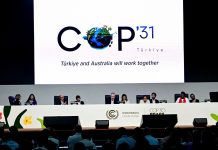
The Antalya Ocean and Seas Compact, released on Tuesday by the COP31 Presidency, recognises the ocean-climate connection as a critical pillar of climate action and reflects calls from Pacific leaders for greater recognition of the ocean in international climate negotiations.
The Compact follows discussions at the Pacific Pre-COP meetings in Tuvalu and Fiji and aims to accelerate ocean-based climate action through stronger partnerships, improved access to finance and better implementation of existing commitments.
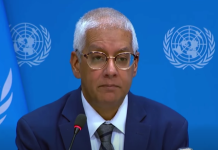
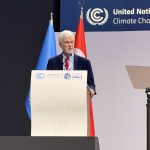
Kevin Chand, Senior Director for Pacific Ocean Policy at Pristine Seas, said the recognition of the ocean-climate connection was timely as El Niño continues to affect Pacific communities.
“With El Niño already severely impacting the Pacific region with drought, changed cyclone patterns and more off-kilter weather conditions, it’s timely to see the COP31 Presidency recognise the ocean-climate nexus as an important pillar of climate action,” Chand said.
He said protecting the ocean was critical to building resilience against climate change.
“Ocean protection is a critical solution that sits at the centre of the nexus. Protecting 30 percent of the planet by 2030 will make the ocean and people more resilient to new climate realities,” he said.
Chand said Pacific leaders who had pushed for greater inclusion of the ocean in climate discussions had left their mark on the COP31 presidency’s Blue COP agenda.
The Compact identifies marine pollution, ocean warming, acidification, declining oxygen levels, biodiversity loss and sea-level rise as interconnected threats to ocean health, food security and coastal livelihoods.
It highlights the particular risks facing Small Island Developing States (SIDS) and low-lying coastal communities, which are increasingly exposed to rising seas and extreme weather events.
It also encourages countries to strengthen ocean-related climate action in their national climate plans, including Nationally Determined Contributions and National Adaptation Plans.
The document calls for greater protection and restoration of mangroves, seagrass beds, coastal wetlands and coral reefs, recognising their contribution to climate adaptation, biodiversity protection and carbon storage.
It also supports the global target of conserving and effectively managing at least 30 percent of coastal and marine areas by 2030, known as the 30×30 target.
The Compact further identifies sustainable fisheries and aquaculture, offshore renewable energy and reduced emissions from coastal activities as areas that can contribute to climate mitigation and adaptation while supporting Pacific livelihoods and economic development.
A major focus is the need to increase climate finance reaching ocean-related priorities.
The document acknowledges that only a limited share of global climate finance reaches ocean-related projects, despite the importance of marine and coastal ecosystems in climate adaptation and mitigation.
It calls on financial institutions and development partners to improve access to grants, concessional finance, guarantees and other funding instruments, with simpler application processes and greater support for developing investment-ready projects.
The COP31 Presidency also wants existing partnerships and initiatives to translate the Compact’s priorities into practical action, rather than creating new obligations or parallel mechanisms.
The document concludes by urging countries and partners to carry forward the momentum from COP31 and deliver measurable benefits for oceans and the communities that depend on them.