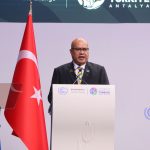
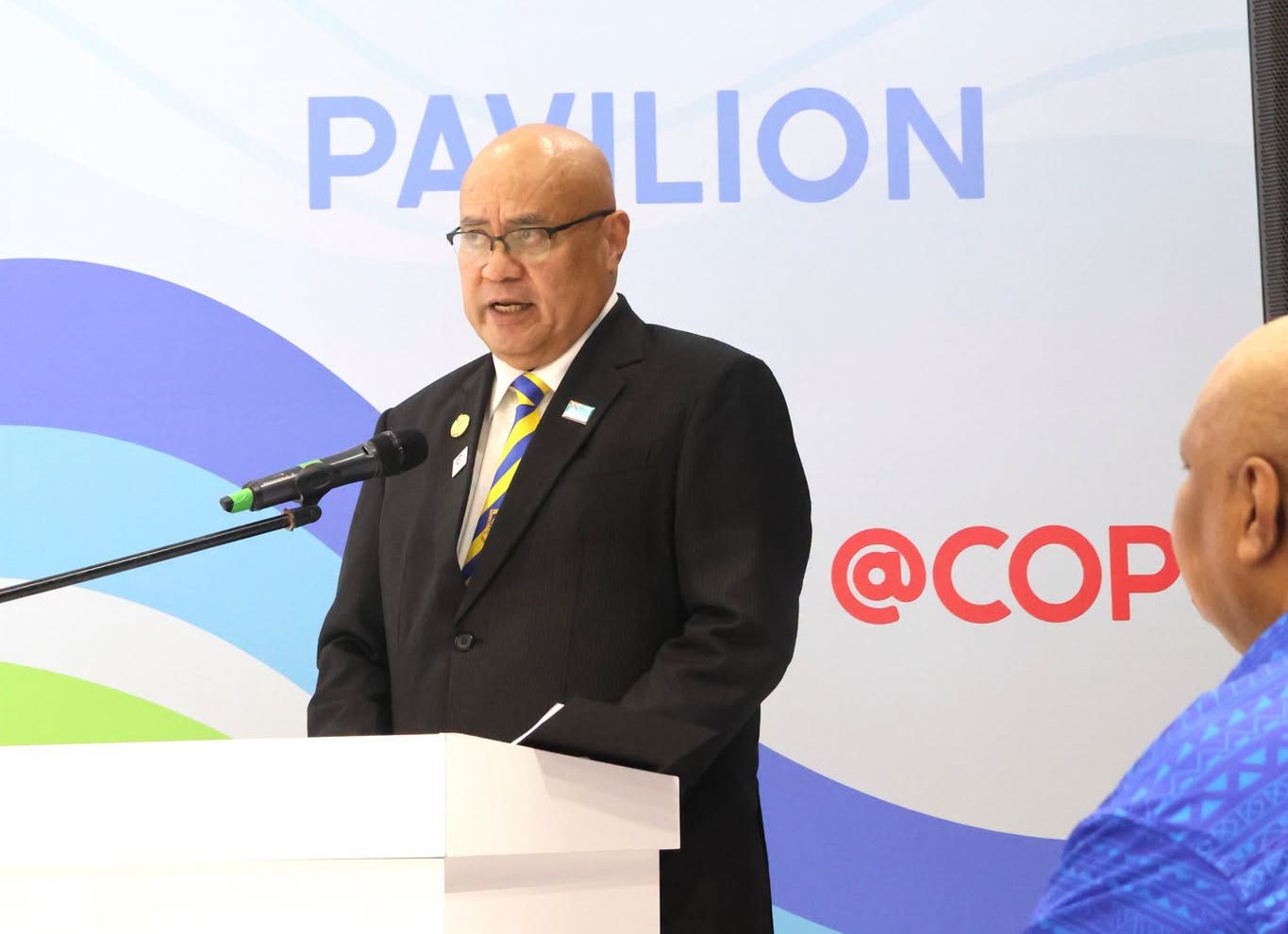
Tuvalu Prime Minister Feleti Teo has called on development partners, climate funds, multilateral development banks and the private sector to mobilise US$160 million to strengthen weather forecasting and early warning systems across the Pacific.
Teo said Pacific countries needed sustained investment to ensure remote island communities received reliable weather information and could prepare for disasters before they struck.
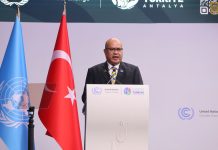
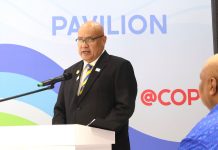
Speaking at the Weather Ready Pacific side event at COP31 in Türkiye on Wednesday, Teo said early warning systems could make the difference between communities being prepared and being caught off guard.
“For Tuvalu and our Pacific family, resilience is about whether our people have time to protect their families, livelihoods and communities before danger arrives,” he said.
Teo said the Pacific needed to look beyond installing early warning equipment and ensure systems remained operational over their full lifespan.
“We must plan for the full life of our investments, not just the day they are installed,” he said.
He warned that reaching remote communities was only the first step, with countries also needing to maintain equipment, keep communication networks connected and ensure technical systems could be repaired when they failed.
He said Pacific professionals also needed the skills and resources to keep essential weather and climate services operating during disasters.
The Weather Ready Pacific investment plan still requires US$160 million to be mobilised to support the initiative.
Secretariat of the Pacific Regional Environment Programme (SPREP) Director-General Sefanaia Nawadra said the region needed to continue strengthening the science, systems and investment supporting weather and climate services.
He stressed the importance of ensuring that no island community was left behind as Pacific countries improved their preparedness for extreme weather and climate-related disasters.
The Weather Ready Pacific initiative aims to strengthen weather and climate services across the region, particularly for communities vulnerable to cyclones, floods, droughts and other hazards.
On the sidelines of COP31, Teo also met Türkiye’s candidate for Director-General of the Food and Agriculture Organisation (FAO), Dr M. Mehdi Eker, to discuss food security challenges facing Tuvalu.
Their discussions focused on the country’s limited agricultural potential because of poor soil conditions and the importance of its vast ocean resources.
For Tuvalu, strengthening food security requires sustainable approaches to improving local food production while protecting and making better use of marine resources.
The meeting highlighted the need for cooperation with development partners to strengthen food production, protect ocean resources and improve the country’s long-term food security.
Tuvalu said it looked forward to working with partners to build a more food-secure and resilient future for its people.