Pacific Women Leaders have called for stronger action to protect women and vulnerable communities from growing economic, social and climate challenges, endorsing a series of measures aimed at strengthening gender equality, economic resilience, health, disability inclusion and climate action across the region.
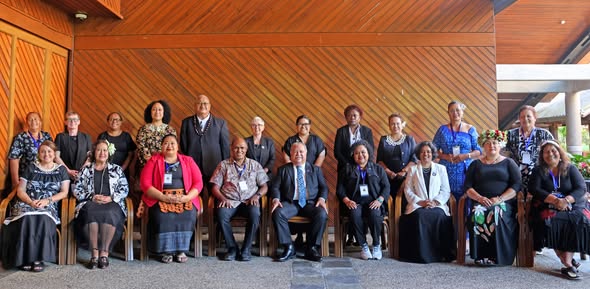
The outcomes were agreed at the fifth Pacific Islands Forum Women Leaders Meeting, held in Suva from 03 -05 June 2026 under the chairmanship of Solomon Islands and attended by ministers and senior officials from Forum members and regional partners.
Ministers and delegates noted that, for the first time, the Biketawa Declaration had been invoked in response to an economic shock, recognising that disruptions to global energy supplies and rising costs were disproportionately affecting women, children, youth and persons with disabilities across the Pacific.
They called for stronger gender-responsive social protection systems and for Gender Equality and Social Inclusion (GESI) measures to be embedded in the Regional Response Mechanism.
The meeting also stressed the need to strengthen women’s economic participation, particularly in fisheries, ocean resources and renewable energy, while calling for stronger governance, coordinated regional action and greater integration of gender equality across economic and trade policies.
On regional governance, ministers endorsed the development of a Charter for the Pacific Islands Forum Women Leaders Meeting, agreed to establish a Senior Officials’ Meeting and supported the development of terms of reference for the Pacific Ministers for Women Meeting to improve coordination and policy coherence.
The meeting identified gender-based violence as a major regional challenge, agreeing that National Prevention Frameworks should be strengthened and adequately resourced while calling for economic costing studies to better inform investment decisions and increased engagement of men, boys, traditional leaders and communities in prevention efforts.
Women’s health was elevated as a regional priority, with ministers endorsing a whole-of-life approach covering maternal health, mental health, non-communicable diseases, reproductive health and menopause, while urging sustained investment in health systems and protection of health spending for women and girls.
Ministers also endorsed a refreshed Pacific Framework for the Rights of Persons with Disability and called for disability inclusion to be integrated into climate action, disaster resilience, health, education and employment policies.
On climate change, the meeting committed to strengthening gender-responsive climate action ahead of Pre-COP31 and COP31, supporting greater participation of women and youth in climate negotiations, improved access to climate finance and the development of a Pacific gender and climate policy framework.
The meeting also supported elevating women’s political representation across the region, backed stronger youth participation in regional decision-making, endorsed a regional strategy for the United Nations Commission on the Status of Women, and recognised sport as a platform for development and gender equality.
Ministers reaffirmed their commitment to translating regional decisions into practical action through strengthened accountability, sustainable financing and continued cooperation to advance the goals of the 2050 Strategy for the Blue Pacific Continent.