By Pita Ligaiula
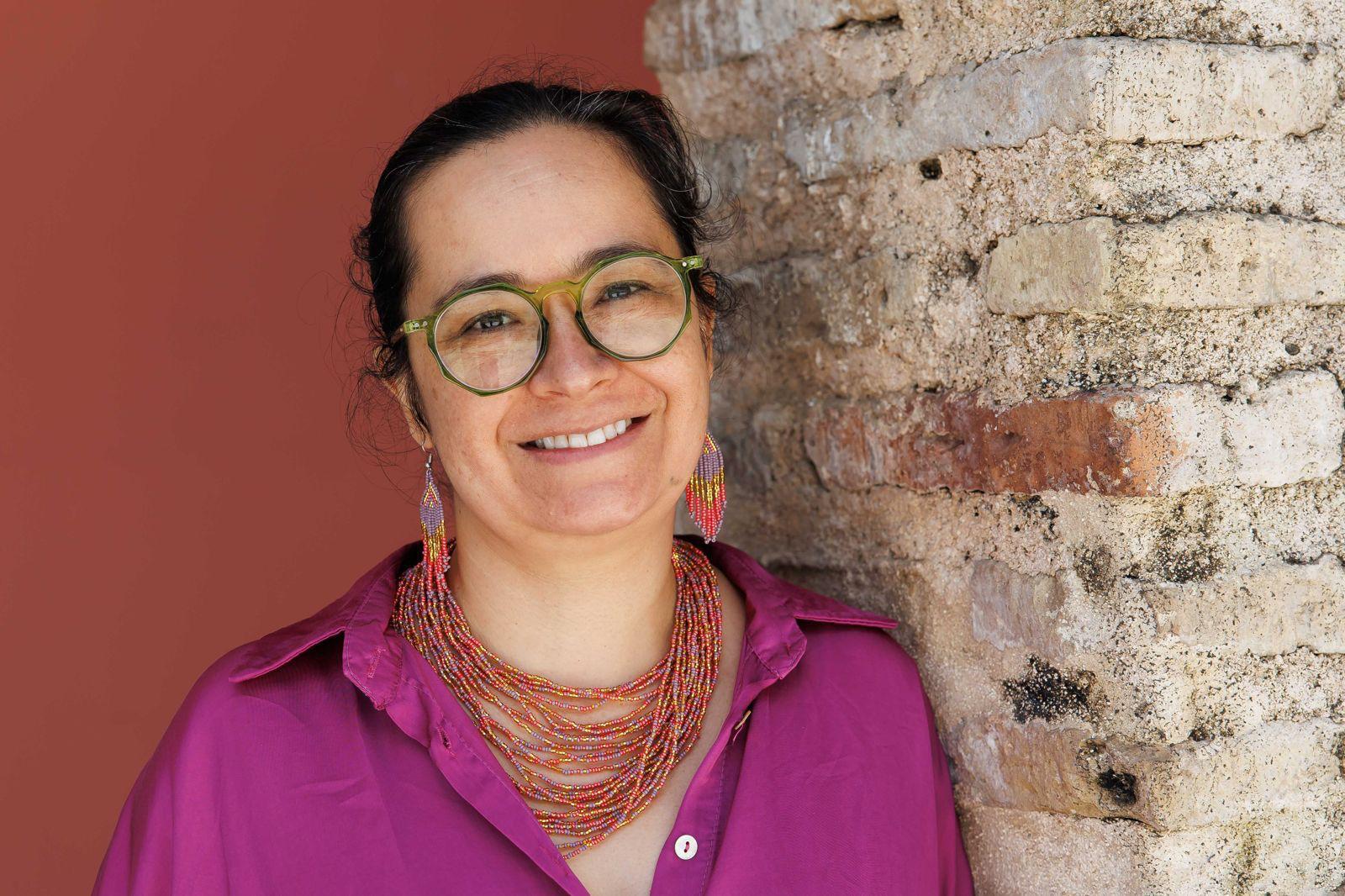
Marshallese human rights defenders continue to face the long-term impacts of nuclear weapons testing, climate change, displacement, discrimination and limited access to information, UN Special Rapporteur Andrea Bolaños Vargas says.
Concluding her first official country visit to the Republic of the Marshall Islands(RMI), Bolaños Vargas said the country’s history of nuclear testing and the growing threat from sea-level rise were placing additional pressure on people defending human rights.
She said Marshallese communities had spent generations seeking truth, justice and reparations for the nuclear legacy while also advocating for stronger international action on climate change.
“The realization of their right to self-determination under colonial and occupation contexts, nuclear weapons testing, and the continuing threat posed by rising sea levels have put – and continue to put – their cultural and physical survival at risk,” she said.
Bolaños Vargas visited Majuro and Kwajalein atolls, including Ejit and Ebeye, from 07 September and met government officials, traditional leaders, civil society groups, community organisations and human rights defenders.
She said the Marshall Islands had an active civil society and that authorities were generally open to human rights work, with constitutional protections for freedom of speech, press, assembly and association.
However, she identified a number of barriers, including limited funding and capacity, lack of information and awareness, geographical isolation and social stigma.
The Special Rapporteur said the country’s nuclear history remained central to the work of many human rights defenders.
Between 1946 and 1958, the United States conducted 67 nuclear weapons tests in the Marshall Islands.
She said affected communities continued to seek recognition and redress for impacts on health, land, culture, food security and displacement.
“Decades of pursuing these rights without adequate recognition or redress could generate psychological exhaustion and discouragement, ultimately undermining their capacity to continue their advocacy,” she said.
Bolaños Vargas also called for greater access to information on the nuclear testing programme, including archives, medical studies and information on affected lands.
She said younger generations also needed greater awareness of the nuclear legacy to ensure the struggle for recognition and redress was not lost.
The climate crisis was another major concern.
The Marshall Islands contributes only a small share of global greenhouse gas emissions but faces increasing risks from sea-level rise, flooding, coastal erosion and saltwater intrusion.
Bolaños Vargas said climate advocacy was directly linked to the defence of Marshallese rights to land, water, food, livelihoods, culture, health and self-determination.
“We are not who we are if we lose our land, and we are who we are because of our land and the connection to our culture,” she quoted one interlocutor as telling her.
She also highlighted the particular challenges faced by women human rights defenders.
Women advocating against violence and for gender equality have faced threats, harassment and criticism, including claims that they were “breaking families” and “going against their culture”.
“Culture is the most important for us, but culture is a barrier to defending women’s rights; culture always comes first in our work,” one woman defender told her.
Bolaños Vargas said human rights advocacy for LGBTIQ+ people remained extremely limited because of social stigma and entrenched norms.
She said some defenders had been forced to leave the country to find a safer environment in which to advocate for their rights.
Human rights defenders working on corruption and accountability also raised concerns about reprisals, threats and harassment.
Bolaños Vargas welcomed the establishment of an independent Ombudsperson Office and a whistleblower protection law, saying such mechanisms should protect people exposing alleged corruption.
She also welcomed progress towards establishing a national human rights institution, which is expected to be operational by December 2030.
The Special Rapporteur recommended that the Marshall Islands strengthen dialogue between traditional authorities, human rights organisations, communities and government, including in the outer atolls.
She called for greater participation of women, youth, older people and underrepresented communities in human rights decision-making.
She also urged the Government to strengthen protections for women and LGBTIQ+ rights defenders and improve access to funding, information and institutions for organisations operating in the outer islands.
Bolaños Vargas called on the National Nuclear Commission to continue public education on the nuclear legacy, including through the K–12 Nuclear Legacy Curriculum and Nuclear Legacy Summer Program.
She also urged the new Ombudsperson Office to ensure people exposing alleged corruption could work without retaliation or intimidation.
For the international community, she called on the United States to fully recognise the rights to truth, justice and reparation of people and communities affected by nuclear testing and ensure their meaningful participation in related processes.
She also called on major greenhouse gas-emitting states to support Marshallese human rights defenders advocating for climate justice.
“The international community should provide sustained financial and technical support to address the physical, mental health and psychosocial impacts of the nuclear legacy, including its intergenerational consequences,” she said.
Bolaños Vargas will further analyse her findings before presenting her full report to the UN Human Rights Council in March 2027.