

By Pita Ligaiula in Savusavu
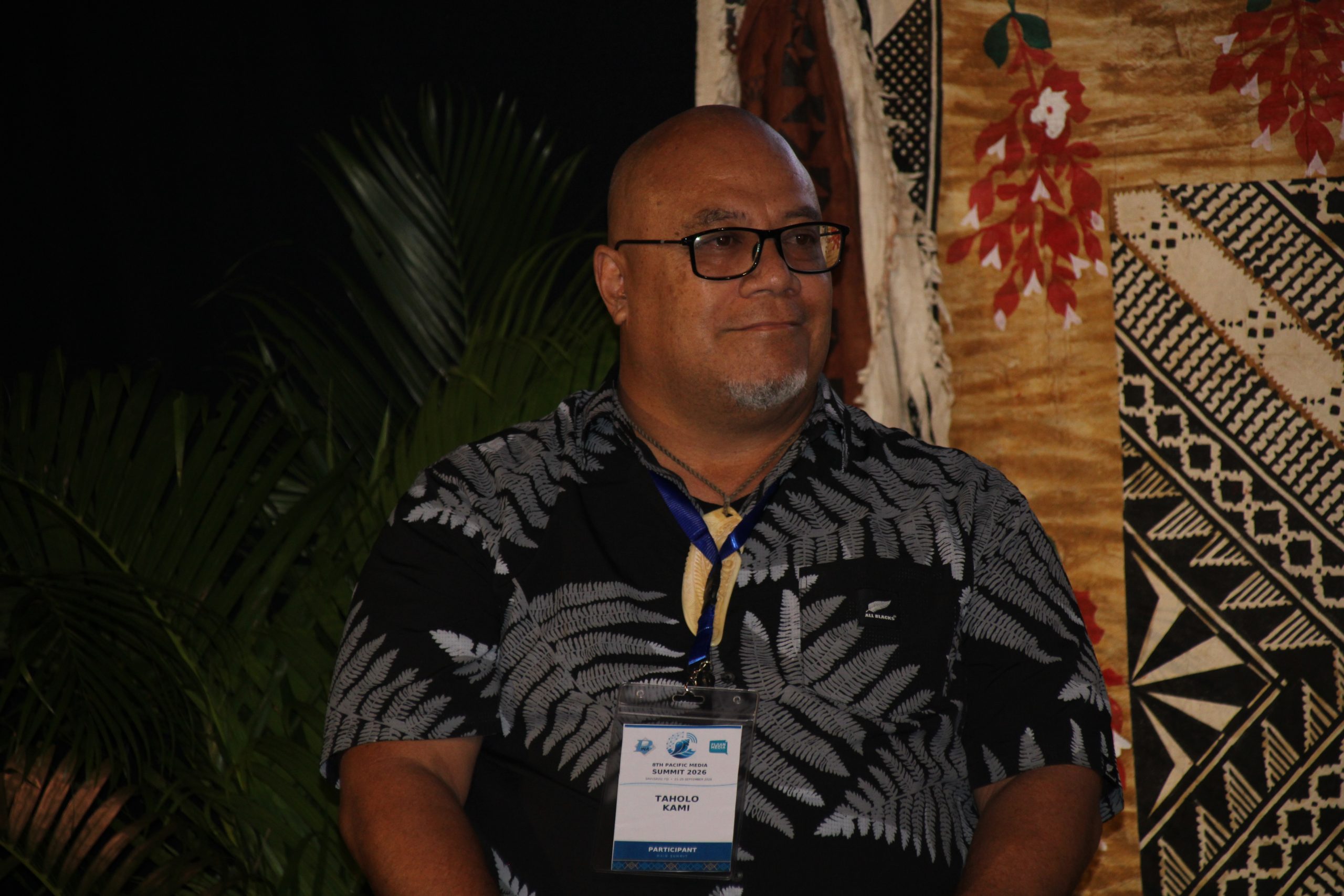
Pacific media must scrutinise climate promises, follow the negotiations and question claims made around COP31 rather than treating the UN climate conference as a fundraising event, climate champion Taholo Kami has told the Pacific Media Summit in Fiji.
Kami, Strategic Advisor to Blue Prosperity Fiji at the Waitt Institute and a former Fiji COP23 Special Envoy for Oceans, said the media had a critical role in explaining what Pacific governments were seeking from COP31 and what was actually delivered.
“COP is not for fundraising. COP is for relationships, COP is for shaping direction and negotiations,” Kami said.
He said COP could help start or strengthen processes towards climate finance agreements, but funding should not be presented as an immediate outcome of the negotiations.
“It’s not a magic place for fundraising,” he said.
Kami said Pacific media should ask questions when governments or officials made claims about COP outcomes.
“So if you see a headline like that, you can ask some very good questions,” he said.
Kami said oceans must remain a major focus for Pacific countries heading into COP31, drawing on his experience during Fiji’s COP23 presidency when Pacific negotiators pushed to bring oceans into the UN climate negotiations.
He said the Pacific had played a major role in advancing the 1.5°C target and should continue to push for stronger ocean action.
“There’d be no 1.5 degrees without Pacific leadership,” Kami said.
He said the Pacific’s ocean space gave the region a global responsibility and opportunity to influence climate and ocean policy.
“If you put all our EEZs together, it’s 28 million square kilometres. If you add New Zealand, we’re past 30.
“What we do in our oceans, for our healthy ocean, is critical not just for us, but critical for the planet,” he said.
Kami said a healthy ocean was also directly linked to climate resilience, food security and Pacific prosperity.
“A thriving ocean is also critical for a thriving planet,” he said.
Kami identified improved access to climate finance as another key issue for Pacific countries, including the Pacific Resilience Facility(PRF) and the need for small grants that communities can use.
He highlighted the Loss and Damage Fund, saying the Pacific had spent decades pushing for recognition and support for climate-related losses.
“The loss and damage fund has begun,” he said, while noting that important questions remained about how accessible the funding would be and how its rules would operate.
Kami said Pacific media should continue following those processes rather than focusing only on announcements made at COP.
Deep-sea mining was another issue Kami urged journalists to follow closely.
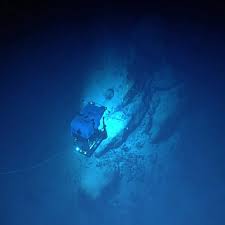
He said Pacific countries should ensure they had access to the same level of information as companies involved in resource exploration before signing agreements.
“Any agreement we’ve signed without equal information to the information that the company has, we lose.
“It leads to exploitation.
That’s the history of mining in the Pacific,” he said.
Kami called for more research before countries make decisions on deep-sea mining, including research into minerals, biodiversity and wider ocean systems.
“All we should be calling for is let’s make sure the research is done before we sign anything,” he said.
He said the debate should not simply be framed as being for or against seabed mining.
“It’s not about anti-seabed mining. It’s about doing it the right thing at the right time,” Kami said.
Kami said journalists also had a responsibility to report uncertainty and emerging scientific evidence carefully.
Referring to research concerning “dark oxygen” and polymetallic nodules on the seabed, he said the issue demonstrated how much remained unknown about the deep ocean.
“There are so many things we do not know yet
“And the voice of the media should be on the forefront of being proportionate about these issues that we do not know,” he said.
Kami said this was particularly important when economic interests could push governments towards decisions before research was complete.
He urged journalists to hold governments accountable for decisions affecting the Pacific’s ocean resources.
Kami said Pacific countries had continued to push above their weight in global climate negotiations, but the region needed to maintain that leadership by linking advocacy with practical action.
He identified issues including sea-level rise and the protection of maritime boundaries, fisheries and food security, coral reefs, high-seas protection and large marine protected areas as areas the media should continue following.
He also urged greater attention to how climate change is affecting coral reefs and the wider ocean ecosystem.
For Kami, the role of Pacific media extends beyond reporting statements from climate conferences.
“The media is the only voice that comes to the people,” he said.
He said journalists should continue asking whether climate and ocean commitments were leading to concrete action and whether Pacific interests were being reflected in global decisions.