Pacific nations are grappling with growing divisions over deep-sea mining as regional leaders, experts, and global partners gather in Fiji for a major workshop aimed at strengthening governance, scientific understanding, and decision-making on the emerging industry.
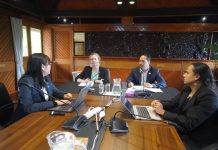
Speaking during the Pacific Small Island Developing States (SIDS) Regional Workshop at the Pacific Islands Forum Secretariat in Suva Tuesday, Fiji Minister for Lands and Mineral Resources Filimoni Vosarogo said the Pacific did not have a unified position on deep-sea mining.
He said some countries were already sponsoring exploration activities while others remained cautious.
Vosarogo said the lack of sufficient scientific data and understanding continued to shape national decisions, describing deep-sea mining as a new and controversial industry requiring careful consideration.
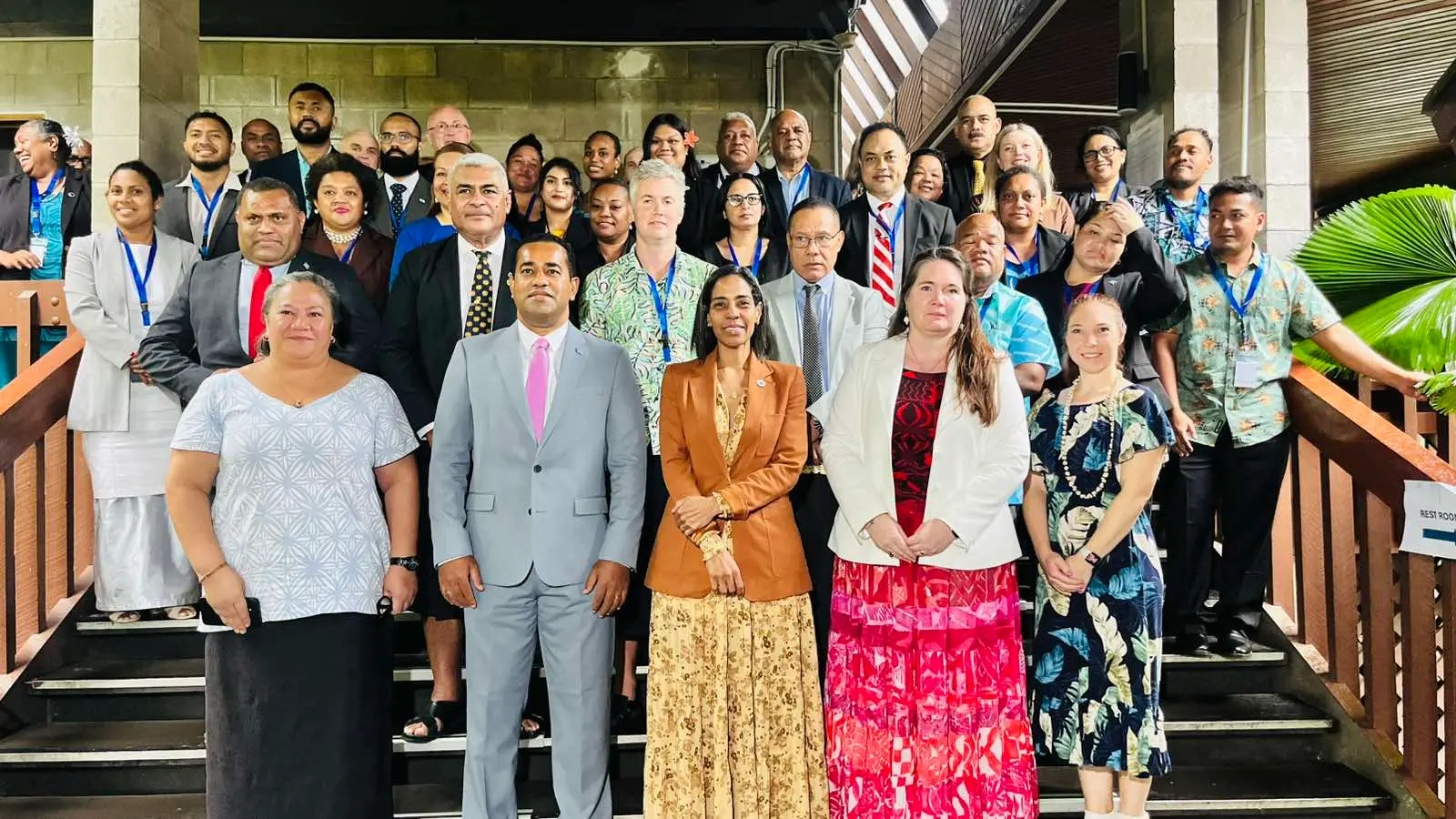
The Pacific SIDS Regional Workshop on Deep Seabed Sustainable Blue Growth, held in collaboration with the International Seabed Authority (ISA), has brought together Pacific Small Island Developing States, sponsoring countries, and regional organisations to address increasing interest in seabed mineral exploration beyond national jurisdictions.
A key outcome of the meeting was the launch of two major toolkits requested by Pacific Island countries in 2018. The resources are designed to guide governments approached by mining companies seeking sponsorship for exploration in international waters and to support the development of national legal, policy, and regulatory frameworks.
Vosarogo said the newly launched toolkits were critical in closing knowledge gaps, helping Pacific countries better understand their roles and responsibilities, and strengthening their ability to engage with mining companies from an informed and strategic position.
He said the resources would help Pacific nations with limited technical capacity avoid being disadvantaged in complex legal and commercial negotiations.
The minister acknowledged Fiji’s longstanding relationship with the ISA, including the contribution of Satya Nandan, the Authority’s first secretary-general.
He also welcomed ISA secretary-general Leticia Carvalho, saying her presence signalled the Pacific’s growing importance in global ocean governance.
Discussions over the next few days will focus on improving understanding of ocean governance, strengthening environmental management, and enhancing the ability of Pacific countries to monitor and respond effectively to approaches from exploration companies.
The workshop will also examine the development of the Pacific Regional Deep Sea Minerals Data Repository to address fragmented data systems and support evidence-based policymaking.
Regional partners, including the Pacific Islands Forum Secretariat (PIFS), Secretariat of the Pacific Community (SPC), Secretariat of the Pacific Regional Environment Programme (SPREP), University of the South Pacific (USP), and United Nations Department of Economic and Social Affairs (UNESCAP), are also participating.
Vosarogo said the workshop was expected to strengthen regional coordination and ensure Pacific nations were better equipped to make informed, balanced, and sustainable decisions on deep-sea mining while protecting the region’s fragile marine environment and long-term interests.
Meanwhile, the Secretary-General of ISA, Leticia Carvalho, visited the Mineral Resources Department (MRD) of Fiji’s Ministry of Lands and Mineral Resources in Nabua, Suva, as part of her official engagements in Fiji.
The visit highlighted Fiji’s scientific and technical capacity in monitoring geohazards and supporting regional early warning systems.
Carvalho was welcomed by senior ministry officials and briefed on key operational areas within the Department, with discussions focusing on the importance of regional cooperation in strengthening disaster preparedness and resilience.
At the Seismology Unit, Senior Scientific Officer, Saula Mule explained how seismic events, including earthquakes and tsunami activity, are monitored and analysed across Fiji and neighbouring Pacific countries including Tonga, Vanuatu and Samoa.
The Secretary-General also toured the Department’s technical facilities, where Director of Mineral Resources, Dr Apete Soro, outlined MRD’s scientific programmes, operational functions and resource management work at both national and regional levels.
Carvalho also met representatives of the Science, Technology and Resources (STAR) Network, a Pacific initiative established through regional scientific partnerships to promote collaboration, innovation and applied geoscience across the region.
Addressing the delegation, Carvalho, an oceanographer and veteran international diplomat, stressed the importance of rules-based approaches in the management of natural resources.
She also thanked Ministry staff for the formal reception and the opportunity to gain a better understanding of Fiji’s technical work in the sector.