




By Andie Fong Toy, Lee Everts, Aholotu Palu
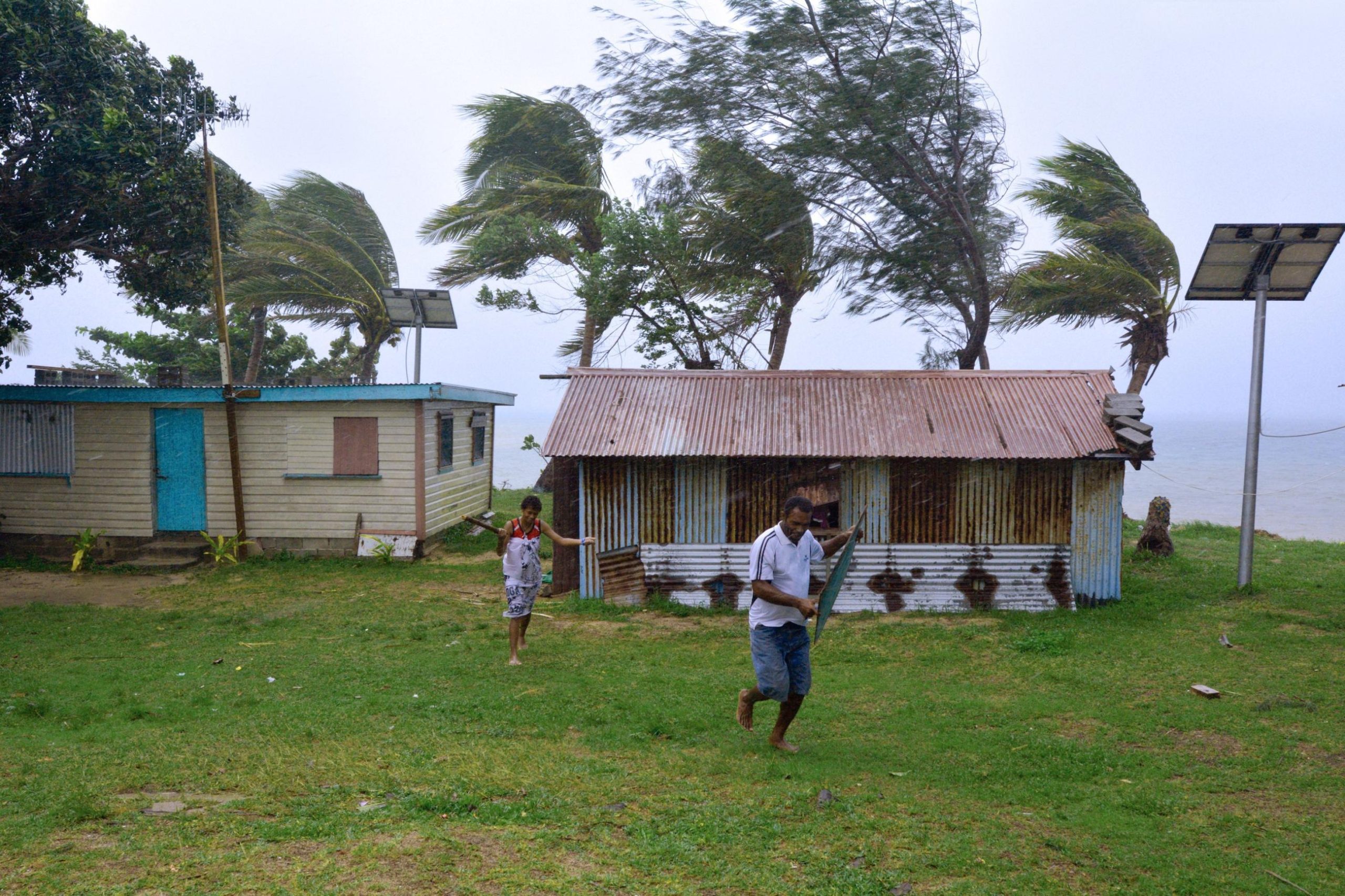
Climate finance challenges often begin long before a disaster occurs. As a low-lying atoll nation where the entire population lives close to the coast, Tuvalu faces growing risks from sea-level rise, king tides and coastal flooding. The country requires financing not only for post-disaster recovery but also for preparedness and resilience-building before disasters strike. Delays in accessing finance can undermine efforts to protect lives and livelihoods.
To address these risks, Tuvalu has invested in pre-arranged financing mechanisms through regional risk pooling and a micro-parametric insurance product for high-tide events. These arrangements provide rapid access to funds following qualifying events and allow the country to share risk with other Pacific nations, helping make coverage more affordable and accessible. However, parametric insurance is only one component of a broader disaster risk financing strategy and cannot address all climate-related losses, particularly slow-onset impacts, such as sea-level rise, coastal erosion and saltwater intrusion.
Recognizing these limitations, new approaches are being developed, including anticipatory financing linked to early warning systems that allow resources to be mobilised before a hazard strikes. Emerging innovations also seek to strengthen links between insurance, social protection systems and support for households, farmers and micro, small and medium-sized enterprises (MSMEs), extending resilience benefits beyond governments to vulnerable communities and local economies.
Parametric insurance: pre-agreed trigger financing
Parametric insurance is an innovative disaster risk financing tool that provides rapid payouts when pre-agreed hazard thresholds are reached, such as cyclone wind speeds, earthquake magnitude, rainfall levels, drought conditions or modelled losses. Because payout triggers and amounts are determined in advance, financing can be released quickly following a qualifying event, enabling governments to respond more effectively and reduce the economic and social impacts of disasters.
Designing effective parametric insurance products requires detailed analysis of disaster risks, historical events, potential future scenarios, expected losses, response priorities and funding needs. Strong engagement with participating countries is essential to ensure that products reflect national circumstances, disaster response capacities and development priorities.
The Pacific catastrophe risk insurance service for SIDS
In the Pacific, parametric insurance has emerged as an important tool for strengthening financial resilience to climate and disaster shocks. For Tuvalu and other small island developing States (SIDS) in the Pacific, much of this support is provided through the Pacific Catastrophe Risk Insurance Company (PCRIC).
PCRIC is a regional, multi-donor-supported disaster risk insurance institution established to serve Pacific island countries. It helps governments of Pacific islands manage the financial impacts of climate, weather and seismic hazards by providing specialized disaster risk financing and insurance solutions that address long-standing gaps in the insurance market.
Through its regional risk-pooling arrangements, PCRIC has expanded access to affordable disaster risk coverage, enabled countries to share risk, and provided rapid liquidity following major disasters. These mechanisms help governments access emergency funding without increasing public debt or diverting resources away from critical sectors, such as health, education and social protection. To date, regional disaster risk insurance schemes have provided coverage against multiple perils, including tropical cyclones, earthquakes, excess rainfall, droughts and tsunamis.
Several countries in the Pacific have received rapid payouts following major disaster events, providing finance for immediate relief and supporting early recovery efforts. Regional risk pools now cover multiple Pacific countries and have demonstrated the value of pre-arranged financing as part of broader climate and disaster resilience strategies.
Alongside insurance coverage, PCRIC has supported regional capacity development through training, technical assistance, scholarships, country advisory support and educational programmes focusing on climate and disaster risk finance and insurance.
Technical expertise in areas such as actuarial science and catastrophe risk modeling remains limited across the region, while data gaps can make it difficult to accurately assess disaster risk. PCRIC is helping address these challenges through technical assistance, training and awareness-raising, while providing insurance services that are transparent, technically robust and tailored to the needs of small countries in the Pacific.
Challenges remain
Despite progress, the adoption of parametric insurance across the region continues to face several challenges. Insurance markets remain limited in many countries; awareness of parametric products is often low, while technical expertise, data for risk assessment and pricing remain constrained.
Affordability remains a major challenge, as the Pacific’s small insurance markets and high disaster exposure drive up premiums. While regional risk pooling can reduce costs, coverage can still strain public finances, highlighting the need for external support and resilience investments.
In addition, basis risk may leave financing gaps when payouts do not fully reflect actual losses, while these services are generally better suited to sudden-onset disasters than slow-onset climate impacts, such as sea-level rise, coastal erosion and saltwater intrusion. These limitations underscore the need for complementary financing mechanisms and broader investments in resilience and adaptation.
Andie Fong Toy is Head of ESCAP Subregional Office for the Pacific
Lee Everts is Deputy Head of ESCAP Subregional Office for the Pacific
Aholotu Palu is Chief Executive Officer, Pacific Catastrophe Risk Insurance Company (PCRIC)