By Young-seup Kwon, Ambassador of the Republic of Korea to Fiji, and Munkhtuya Altangerel, Resident Representative, UNDP Pacific Office in Fiji
Ahead of COP31, a women-led market vendor association in Fiji demonstrates the value of long-term cooperation between the Republic of Korea (RoK), United Nations Development Programme (UNDP) and Pacific communities to manage climate risk on their own terms.
When a cyclone hits Fiji, the first responders are often neighbours and the surrounding community. They bring food, open their homes, and help rebuild. Fijians have a name for the force behind this: Na veiwekani, “relationships are our strength.” Here, resilience has never been a solo act. It is built on bonds of trust between individuals, their families, wider communities, and institutions.
Koreans also have a word for it: Uri, simply meaning “we” or “us.” It reflects a sense of togetherness and shared responsibility—which keeps them standing by one another even in difficult times. Two cultures, an ocean apart, reached the same conclusion: no burden is carried well alone. Resilience is a communal effort.
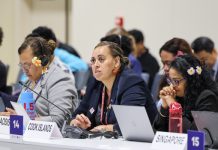
It is a lesson worth carrying to Antalya, Türkiye, where the 31st United Nations Climate Change Conference (COP31) is taking place. Off the back of the Pacific Pre-COP and the solidarity behind amplifying the voices of vulnerable communities on the global stage, this is a critical message. Climate resilience is built by many hands, not by one actor alone. And it is built over years, not within a single project. Projects end; systems endure.
Communities are able to strengthen their resilience when partners stay on the course and support the local institutions that keep working long after any single project closes. At COP31, that means climate finance that flows through Pacific systems, is pooled rather than fragmented, and is built for the long term.
The Republic of Korea (RoK) has been that kind of partner in the Pacific.
Since 2019, the RoK has been a foundational partner of United Nations Development Programme (UNDP)’s Governance for Resilient Development in the Pacific (Gov4Res) portfolio, alongside Australia, New Zealand, and the United Kingdom. The portfolio supports Pacific-led resilient development in six Pacific Island countries.
Gov4Res works from within the system itself. It supports ministries, local governments, and community organisations to plan, implement and budget in a way that ensures climate and disaster risks are considered from the start of all development initiatives. That is the architecture that supports communities to manage risk themselves. Through the portfolio, more than 250 risk-informed community projects in seven countries have reached around 390,000 people, strengthening water security, food security, health, clean energy, and more. Gov4Res partners pool their support in one shared system rather than running parallel projects. As such, each contribution goes further.
What does that shared system look like on the ground?
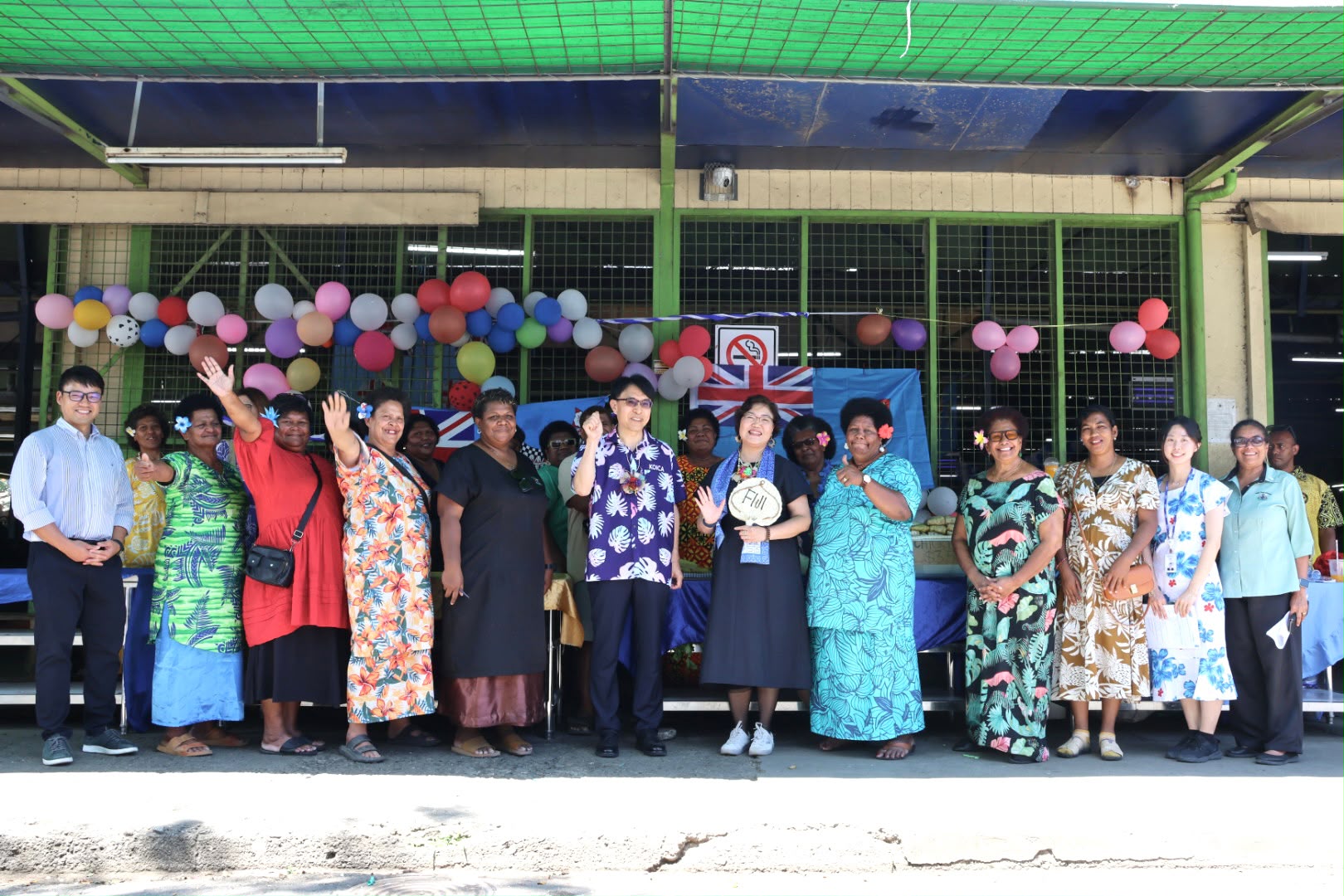
Fiji’s Nadi Market offers one example. Each morning, members of the Nadi Market Vendors Association (NMVA), most of them women, lay out the produce that feeds their families and their town. Their livelihoods sit squarely in the path of climate risk: with frequent flooding spoiling stock and cyclones that cut supply routes, impacting food security and income.
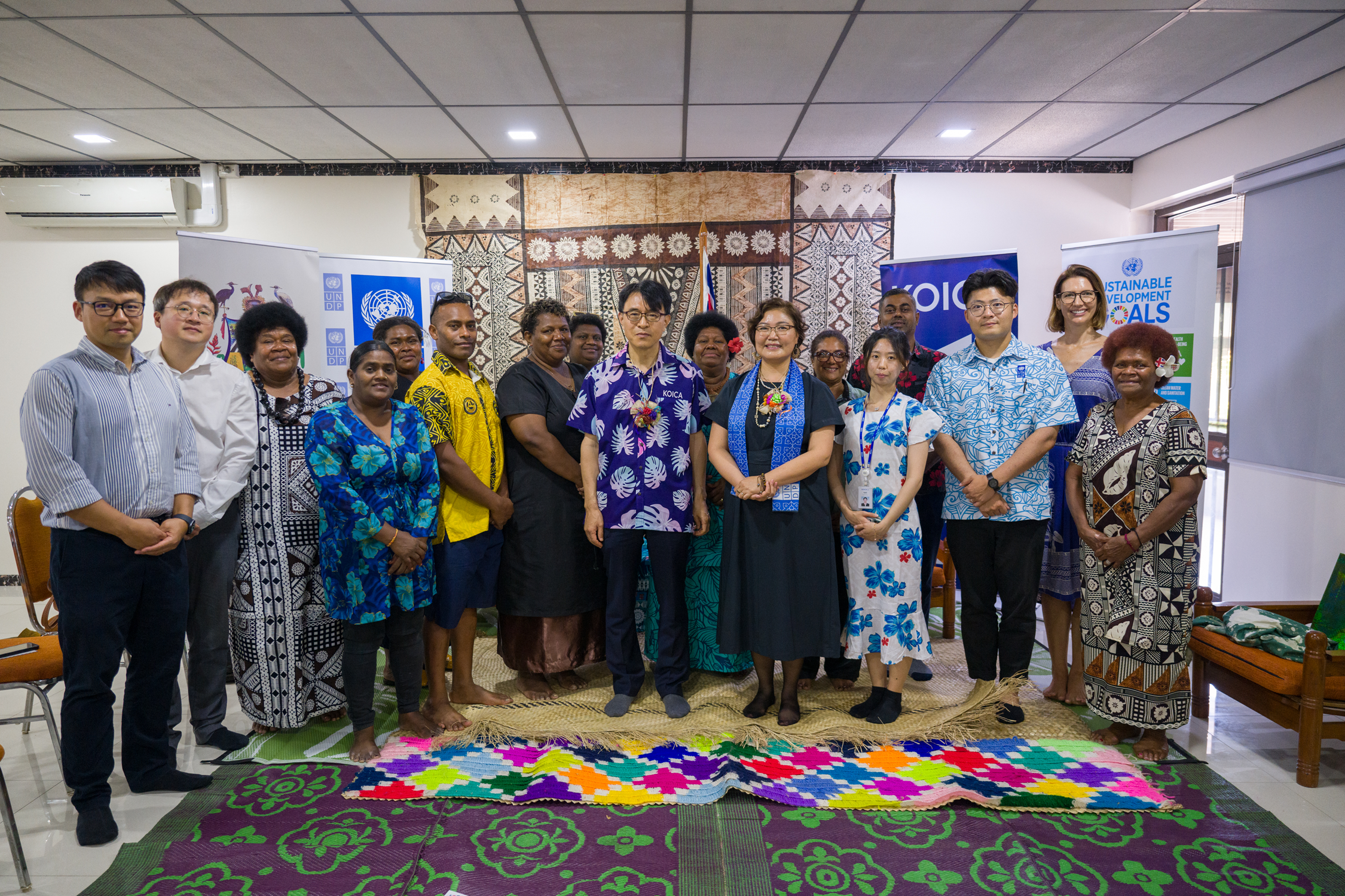
On 8 October, we visited the market together and met vendors who are leading change. Through the NMVA, vendors are receiving training in climate-smart agriculture, post-harvest handling, financial literacy, and disaster preparedness. They are assessing their own risks and writing vendor-led risk reduction plans, while working with Nadi Town Council on more flood-resilient storage. A cooperative savings group and a leadership forum for women vendors are giving them a stronger voice in how their market is run.
“Climate resilience to me is like when you lose something and you have a backup. As a President, I believe the most important thing is that we continue working together. We are working together to build resilience in the market, and to help other women vendors who need support, so we can hold hands and together move forward” said Adi Bale, President of the Nadi Market Vendors Association.
The project itself is modest, but with 250 small scale projects and counting, the collective impact is great. Pooling seven years of shared investment from the RoK, with targeted small grants investments, helped a market association turn small grants into lasting gains. The long-term relationships and partnerships built over the life of the portfolio are also a key to success: Fiji’s Ministry of Agriculture, Nadi Town Council, ANZ Bank, the Department of Cooperatives and UNDP’s Markets for Change programme have each brought their expertise to the table.
This is ‘na veiwekani’ at every scale, from a market cooperative to a partnership between nations: shared risk, shared effort, shared reward. Resilience as a communal effort.
The vendors of Nadi Market demonstrate what that looks like in practice, and what patient, pooled partnership makes possible. As the RoK’s current support to Gov4Res (via Korea International Cooperation Agency (KOICA)) concludes this December, the RoK and UNDP look forward to writing the next chapter of our cooperation on Pacific resilience, building on what has already been proven to work in Nadi and beyond.