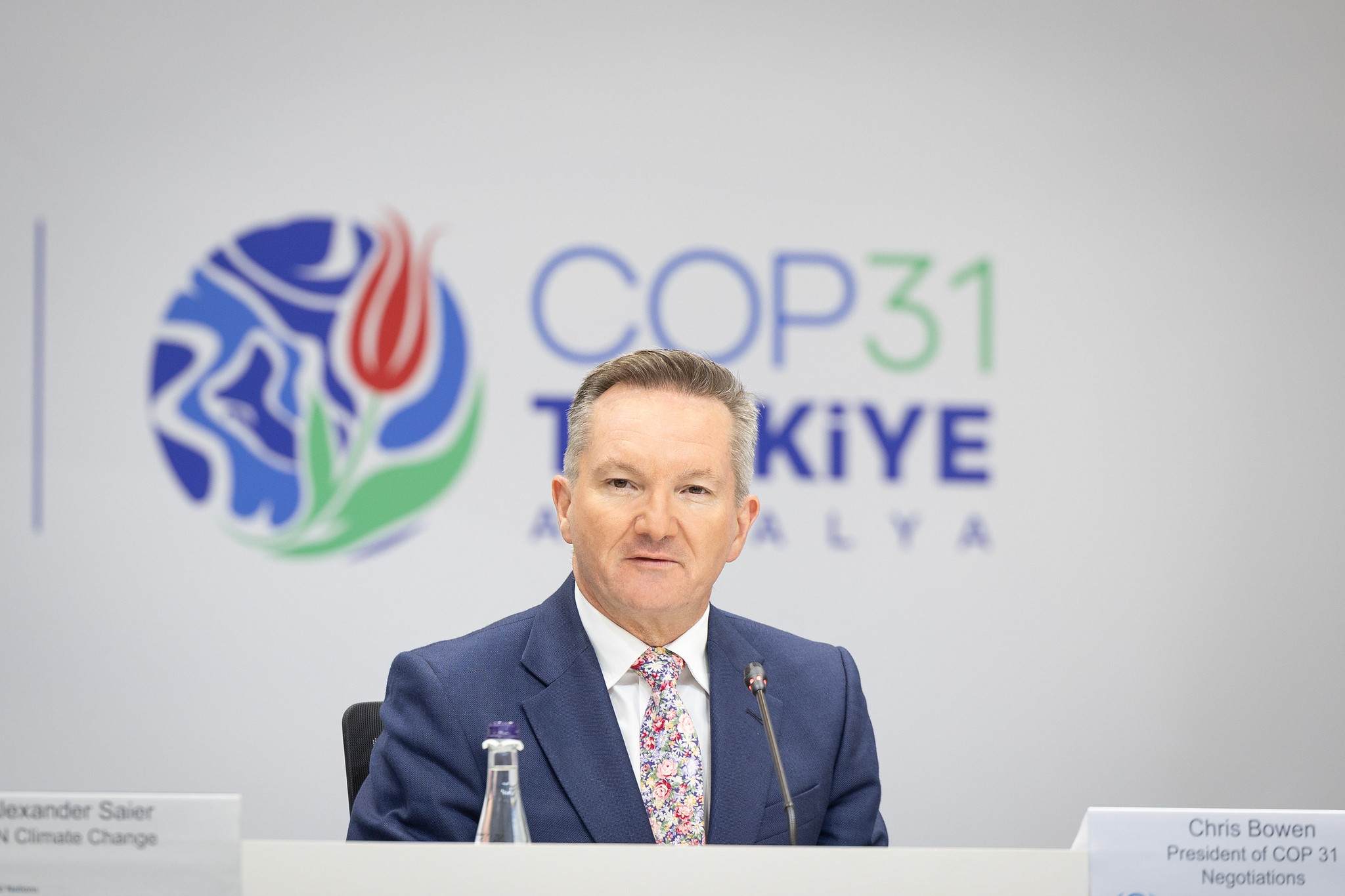
Australia is pushing for the COP31 climate agreement to retain a commitment to transition away from fossil fuels, a phrase first advanced by Pacific Island leaders, despite expected resistance from major oil-producing countries.
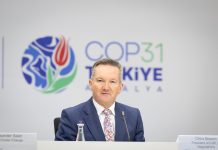
Australia’s Minister for Climate Change and Energy Chris Bowen says the final COP31 decision will differ from the first draft, but he is working with countries to secure the most ambitious agreement possible through consensus.
The draft text, released early by the COP31 presidency, includes strong language on immediately transitioning away from fossil fuels and accelerating electrification.
Asked whether the fossil fuel language would survive the final negotiations, Bowen said the commitment agreed at COP28 in Dubai remained important.
“The world agreed a couple of years ago in Dubai to the language of transitioning away from fossil fuels. That’s language that first came actually from the Pacific Islands Forum,” Bowen said.
He said Australia had taken the Pacific-backed proposal into the COP process because it offered a meaningful way forward.
Bowen acknowledged that negotiations would involve disagreements and compromises, particularly over fossil fuel commitments and the proposed expansion of electrification.
He said Australia was holding discussions with ministers and negotiators to identify areas of agreement and push for stronger outcomes.
“The final text will be different to the first draft text,” he said.
Bowen said releasing the draft early was a deliberate move to make negotiations more transparent and inclusive, rather than leaving difficult discussions until the final hours of the conference.
He said the approach gave countries more time to examine the proposals and allowed the presidency to work through areas of disagreement.
Bowen also warned that the world needed to accelerate electrification to have a chance of limiting global warming to 1.5 degrees Celsius.
The draft decision proposes increasing electricity share of global energy consumption to 35 percent.
Bowen said the target was based on work by Australia, Türkiye and the International Energy Agency on what was required to keep the 1.5-degree goal within reach.
Global electricity use currently accounts for about 23 percent of energy consumption and has been increasing by approximately 0.3 percentage points annually.
He said that rate of progress needed to increase fourfold.
“Moving to more electricity and less direct fossil fuel use is absolutely vital,” Bowen said.
He said electrification needed to extend beyond renewable energy generation to transport, industry, household energy use and other sectors still heavily dependent on fossil fuels.
Bowen cited electric vehicles as an example, saying they could significantly reduce emissions and improve energy efficiency even in countries where electricity grids still relied heavily on fossil fuels.
He said electrification, combined with previous commitments to double energy efficiency and triple renewable energy, could deliver about two-thirds of the action needed to keep the world on a 1.5-degree pathway by 2035.
Bowen said the negotiations were also important for maintaining confidence among businesses, investors and communities.
He said governments needed to demonstrate that they remained committed to climate action despite conflicts, energy insecurity and cost-of-living pressures.
“The world’s governments will continue to engage because no one country can tackle this problem alone,” he said.
The COP31 negotiations are expected to continue through the week as countries work towards a final agreement on fossil fuels, electrification and other climate priorities.