


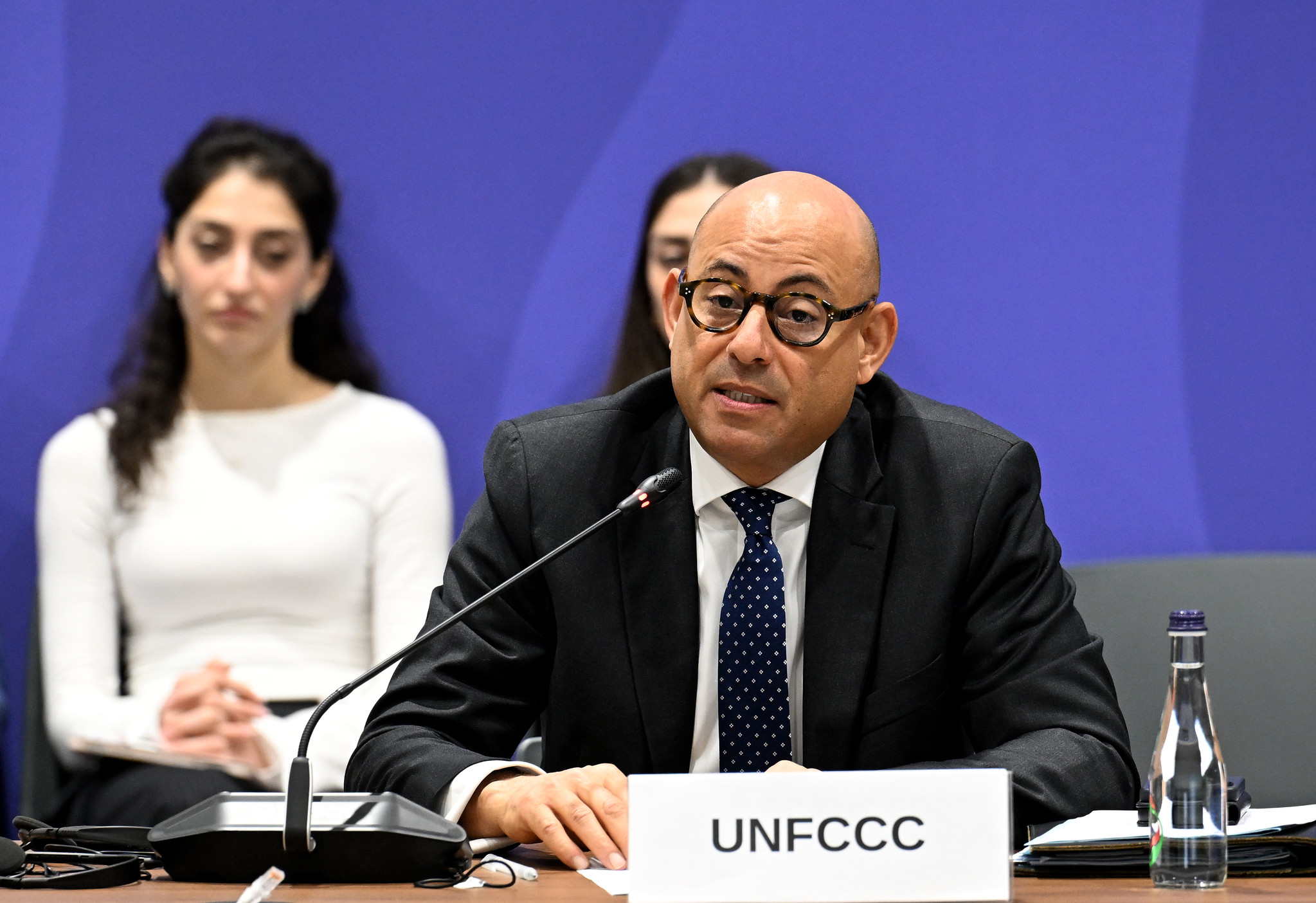
Countries are making progress in reporting their climate commitments, but implementation remains insufficient to keep global climate targets within reach, UN Climate Change Executive Secretary Simon Stiell has warned.
Stiell said the first 137 Biennial Transparency Reports (BTRs) submitted under the Paris Agreement showed that 61 countries, representing about 66 percent of global emissions in 2020, had made progress towards their Nationally Determined Contribution (NDC) targets.
However, he warned that progress was still far below what was needed to meet global climate goals.
“Progress is not yet anywhere near enough. Much more must be done to keep our common climate goals within reach,” Stiell said.
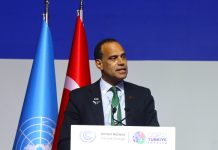
Speaking at the COP31 ministerial high-level dialogue on transparency in Antalya, Türkiye, on Tuesday, Stiell said transparent reporting was essential for building trust, identifying gaps and strengthening climate action.
He said transparency was not simply a technical requirement but a political commitment by governments to demonstrate what they were doing and what more needed to be achieved.
Stiell welcomed countries that had completed a full reporting cycle under the Enhanced Transparency Framework (ETF), congratulating Colombia, Türkiye and Kazakhstan on submitting their second Biennial Transparency Reports.
He also acknowledged countries working towards the end-of-year reporting deadline, particularly Least Developed Countries (LDCs) and Small Island Developing States (SIDS), which submit reports voluntarily and often with limited resources.
“Every BTR strengthens our understanding of where we are,” he said.
Stiell said the transparency reports would provide important evidence for the second Global Stocktake, which is launching at COP31.
The Global Stocktake assesses collective progress towards the goals of the Paris Agreement and helps identify areas where countries need to strengthen their climate commitments and implementation.
He said the reporting process would help countries identify progress that could be built on and gaps requiring further action.
The UN Climate Change secretariat would continue supporting countries to strengthen their capacity to implement the Enhanced Transparency Framework, he said.
It would also maintain the Together for Transparency initiative, which supports the participation of non-state actors in climate transparency efforts.
However, Stiell said technical support alone would not be enough without sustained political commitment from governments.
He called for transparency to remain a national priority, backed by strong institutions and adequate resources.
“Political commitment is essential for the ETF to reach its full potential,” he said.
Stiell urged ministers and government representatives at COP31 to maintain transparency as a central part of climate action and ensure reporting translates into stronger implementation and support.