
Singapore will contribute US$500,000 to the Pacific Resilience Facility (PRF), supporting community-led efforts across the Pacific to strengthen climate resilience and prepare for natural disasters.
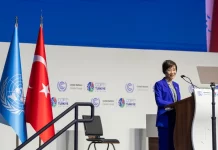
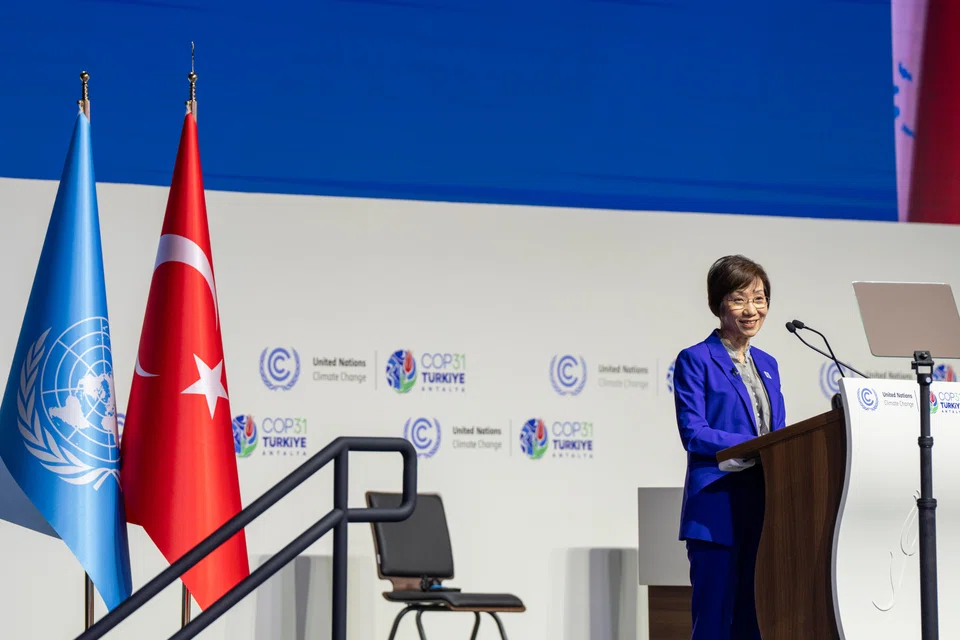
Singapore’s Minister for Sustainability and the Environment Grace Fu announced the voluntary contribution on Tuesday while delivering the country’s national statement at the United Nations climate change conference (COP31) in Antalya, Türkiye.
Fu said the funding reflected Singapore’s commitment to supporting Pacific Island countries in addressing their climate vulnerabilities and strengthening resilience at the community level.
The PRF was established by Pacific Islands countries to overcome longstanding barriers that have limited their access to climate financing, particularly for small-scale community projects.
It is the first Pacific-owned and Pacific-led regional financial institution under the Pacific Islands Forum architecture.
The facility aims to provide financing for community-based projects in climate adaptation, disaster preparedness and early disaster response.
The PRF has set a target of mobilising US$500 million by the end of this year and has secured about US$200 million in pledges from governments and philanthropic organisations.
The facility has gained increased attention ahead of COP31, particularly through regional cooperation involving Australia, which is sharing the conference presidency with Türkiye.
Singapore’s contribution will be delivered through its newly launched Singapore Green Cooperation Programme (SGCP), an umbrella framework for the country’s climate-related development partnerships.
The programme brings together existing technical assistance initiatives and expands support through blended finance, grants, advisory services and climate research.
Fu said the programme would provide developing countries with a broader range of assistance to address their climate challenges.
“The SGCP augments traditional assistance with a broader suite of holistic development assistance solutions that better meet the needs of partner countries,” she said.
The programme will focus on three areas of climate cooperation.
These include helping partner countries develop policies, institutional arrangements and technical capabilities to participate in high-integrity international carbon markets.
It will also support climate adaptation planning and implementation in areas including water, infrastructure, agriculture, health and biodiversity.
The third priority is helping developing countries develop and implement climate policies and transition pathways through technical exchanges and capacity building.
Singapore will work with international partners, including the World Bank and the Global Green Growth Institute, to combine expertise and strengthen the programme’s impact.
The SGCP succeeds Singapore’s three-year Sustainability Action Package and forms part of its wider development cooperation with partner countries.