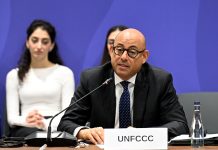
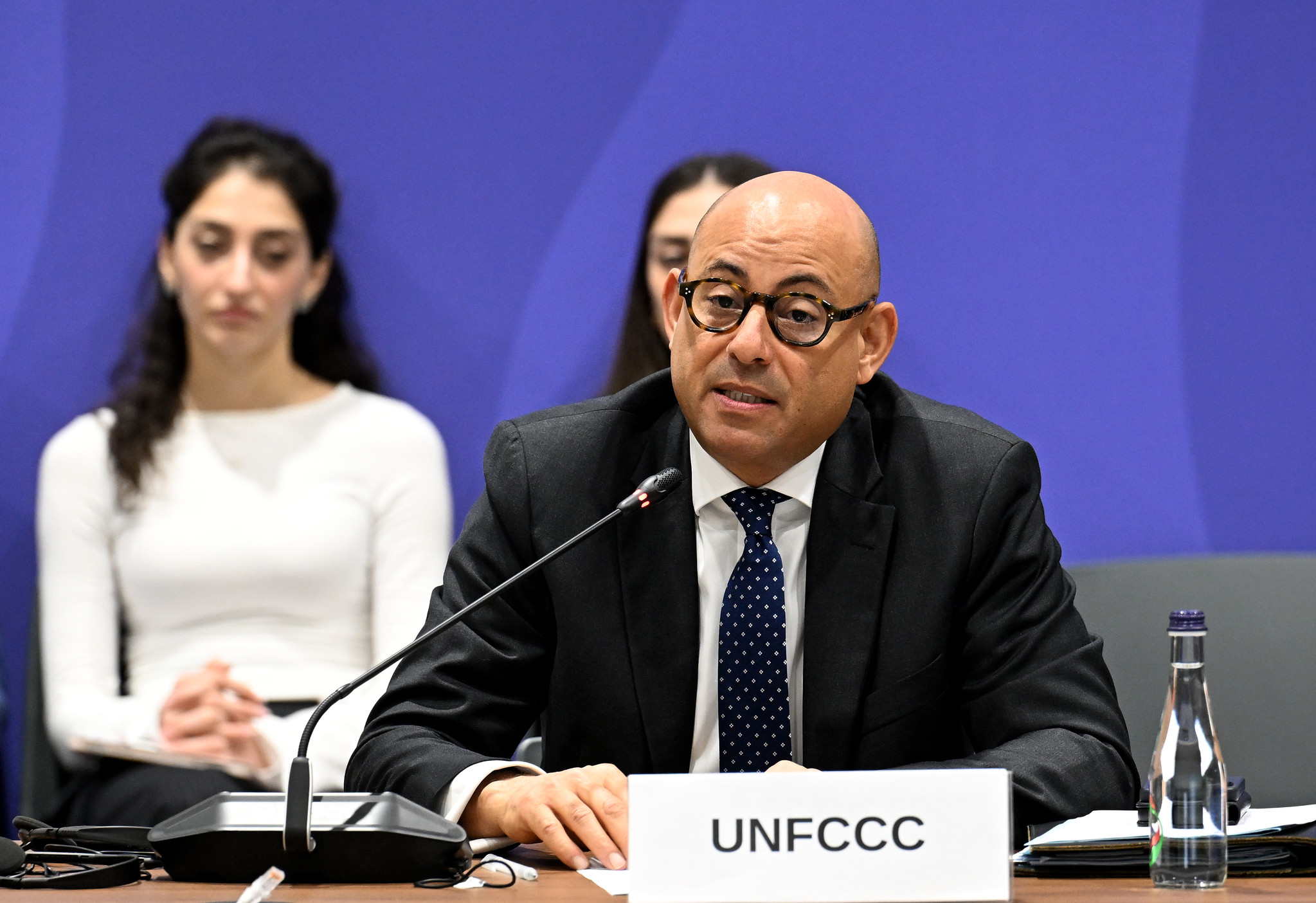
UN Climate Change Executive Secretary Simon Stiell says ensuring a just transition for workers and communities must be central to climate action, warning that the shift to low-emissions economies must be fair, inclusive and shaped by national priorities.
“Just transitions are not ancillary to climate action. They are integral to it: key to faster, fairer progress, with people at its heart,” Stiell said at COP31.
He said the United Arab Emirates (UAE) Just Transition Work Programme had helped countries develop a shared understanding of what a just transition should involve.
Stiell said such transitions must cut across sectors and address economic, social and workforce issues, while recognising that there was no single approach suitable for every country.
He said workers and communities must be at the centre of transition policies, with approaches that considered entire societies and economies.
The programme was established under the Paris Agreement to discuss pathways for achieving its climate goals while addressing social and economic impacts.
Its focus includes energy transitions, decent work, social protection, labour rights, poverty eradication, climate resilience and inclusive decision-making.
The programme also recognises the need for international cooperation to support countries in developing their own transition pathways.
At COP31, countries are reviewing the effectiveness and continuation of the programme, following a decision at the seventh session of the Conference of the Parties serving as the meeting of the Parties to the Paris Agreement (CMA 7).
Parties at CMA 7 also agreed to develop a just transition mechanism to strengthen international cooperation, technical assistance, capacity-building and knowledge-sharing.
The mechanism is intended to support equitable and inclusive transitions while complementing existing work under the UN climate framework and the Paris Agreement.
The subsidiary bodies were tasked with developing recommendations on how the mechanism should be operationalised for consideration at CMA 8 in November 2026.
A synthesis report mapping existing instruments, initiatives and processes under the UN climate framework and the wider United Nations system has also been prepared to support implementation and the programme’s review.
The 2026 annual summary report on dialogues under the programme and a synthesis of views on its review have also been made available.
A fourth annual high-level ministerial round table on just transition in Antalya, brought ministers together to discuss the issue.
The programme holds at least two dialogues each year, involving governments, observers and other stakeholders, to consider challenges and opportunities in delivering fair transitions.