

Pacific health and climate officials are calling for urgent action, stronger climate finance and protection of the 1.5°C target as Pacific countries take their health concerns to the Pre-COP and COP31 discussions.
The officials say climate change is already affecting the health and wellbeing of Pacific communities through rising temperatures, sea levels, drought, flooding, extreme weather and changing disease patterns.
The World Health Organisation (WHO), which works with Pacific governments and partners on climate-related health risks, asked health and climate officials across the region to identify the single most important message they want heard ahead of Pre-COP and COP31.
For Tuvalu, the message is that climate change must be treated as a health emergency and climate finance as an investment in the survival of its people.
Tuvalu Director of Health Dr Nokise Simeona said the country had developed a Health National Adaptation Plan requiring an estimated AUD$12.9 million (US$8.98 million) over five years.
“For Tuvalu, climate change is a health emergency, and climate finance must therefore be treated as an investment in the survival and health of our people – not simply as environmental funding.
“We now need our development partners and climate-finance institutions to support us in moving from planning to implementation,” Simeona said.
Solomon Islands Deputy Secretary Technical at the Ministry of Environment, Climate Change, Disaster Management and Meteorology, Agnetha Vave Karamui, said the 1.5°C threshold remained critical for Pacific islands.
“We must hold the 1.5 degrees Celsius red line for our islands and people’s health, survival and dignity,” she said.
Karamui said COP31 must turn climate commitments into action and provide support to build resilience in vulnerable Pacific communities.
“COP31 must turn pledges into protection, ambition into action and our vulnerabilities into resilience now,” she said.
In the Marshall Islands, National Adaptation Plan Coordinator Bertine Lakjohn said consultations in remote atolls had shown how climate impacts were directly affecting families.
She recalled a young mother telling her that during droughts, her children became sick, while access to medication and other support was sometimes limited.
“It’s testimonies from our most vulnerable that inspire the why.
“The work we do here is always the most important for those outside of these conference rooms. Collective climate action and progress is imperative, in particular securing the finances to help and support our most vulnerable,” Lakjohn said.
Fiji Divisional Health Inspector for the Northern Division, Vakaruru Cavuilati, said climate change was increasingly becoming a health emergency.
“In Fiji, climate change is not only an environmental issue; it is a growing health emergency,” Cavuilati said.
He said rising temperatures, stronger storms, flooding and changing disease patterns were putting lives at risk and increasing pressure on health services.
“Although Pacific Island countries have contributed very little to global emissions, we urgently need reliable and accessible funding, technical support and stronger capacity to protect our people and health systems,” Cavuilati said.
Australia also says Pacific health concerns must remain central to the COP31 process.
Professor Madeleine Skellern, Director of the National Health, Sustainability and Climate Unit at the Australian Centre for Disease Control, said Pacific leaders had recognised climate change as a defining global health challenge.
“It is a privilege to hear from many Pacific leaders who recognise that climate change is the defining global health challenge of our time.
“Australia is committed to elevating these Pacific voices at Pre-COP and COP31 as part of its work as COP31 President of Negotiations,” Skellern said.
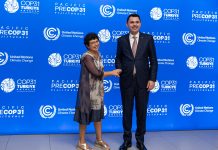
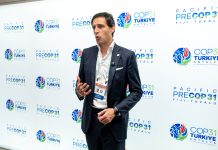
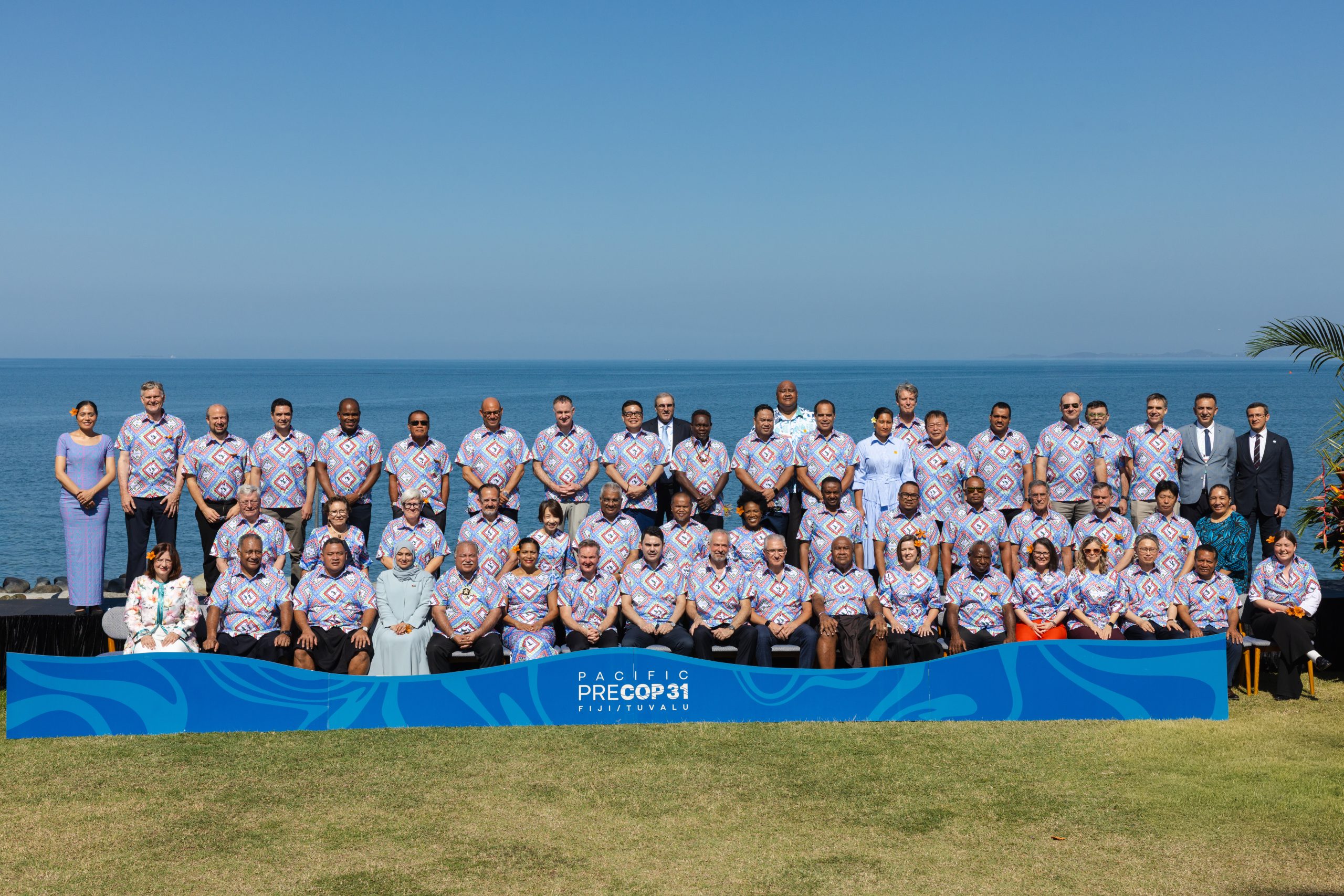
The messages come as Australia, Fiji and Tuvalu co-host the Pacific Pre-COP discussions ahead of COP31, with Pacific countries pressing for climate commitments that address the immediate health, social and economic impacts of climate change.
For the Pacific, the officials say, climate action is increasingly about protecting people, health systems and communities from impacts that are already being felt.