By PACNEWS Editor Makereta Komai in Minamata, Japan
Seventy years after one of Japan’s worst industrial pollution disasters, a survivor is calling on countries yet to join the Minamata Convention on Mercury to do so and help protect people and the environment.
More than 2,000 people died or suffered serious health problems after being exposed to methylmercury released into Minamata Bay in southern Japan in the 1950s and 1960s.
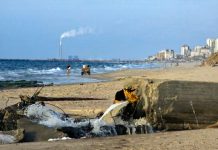
The mercury came from wastewater discharged by the Chisso Corporation chemical factory between 1932 and 1968.
The toxic mercury entered the sea and built up in fish and shellfish eaten by people living around Minamata Bay.
For families in Minamata, fish and seafood were an important part of everyday life.
But the same food that had fed families for generations would also take away their loved ones.
Sixty-five-year-old Rimiko Yoshinaga was only five when her father, Tsugiyoshi Oya, died in 1956 after suffering severe convulsions believed to have been caused by mercury poisoning.
He was 38 years old and worked for Chisso Corporation.
Her grandfather, Yasuta Oya, was also affected. He was bedridden for nine years before he died.
“My family lived by Minamata Bay and we loved fish and seafood. It sustained us all our lives,” Yoshinaga told Pacific and Caribbean journalists visiting Minamata as part of an Association for the Promotion of International Cooperation (APIC) fellowship.
“Little did I know as a five-year-old that the same fish and seafood would take away my father and grandfather.”
Yoshinaga said it took her four decades to build her courage to speak openly about what happened to her family.
“It’s taken me 40 years to speak out. I can say I am angry that Chisso needs to pay compensation,” she said.
“But it is a complex situation because my family kept quiet to receive some compensation. Chisso was an important company in Minamata. It provided jobs and supported many families.”
Chisso Corporation still exists today.
“If they make a profit, then they should compensate those who have lost their lives and the people of Minamata,” Yoshinaga said.
A message for the Pacific
Seventy years on, Yoshinaga still loves fish and seafood.
But she also wants the world to remember the lessons from Minamata.
She said big companies must take responsibility for pollution and act before communities are affected.
Yoshinaga believes the Minamata Convention on Mercury can help prevent another disaster like Minamata from happening elsewhere.
The global treaty was adopted in 2013 to protect human health and the environment from the harmful effects of mercury.
“This year we are remembering 70 years of the Minamata tragedy,” Yoshinaga said.
“I call on all countries to commit to the Minamata Convention and implement the provisions of the global treaty.
“Big companies and corporations must take action to address pollution before it is too late.”
Her message is also important for the Pacific.
Eight Pacific countries are yet to become parties to the Minamata Convention – Cook Islands, Fiji, French Polynesia, Nauru, New Caledonia, Niue, Papua New Guinea and Solomon Islands.
The Convention requires countries to manage mercury and mercury waste and reduce the risks it poses to people and the environment.
The Secretariat of the Pacific Regional Environment Programme (SPREP) is also working with Pacific countries through the Pacific Regional Mercury Action Plan 2026–2030.
The plan aims to help Pacific countries join and implement the Minamata Convention, remove products containing mercury, safely dispose of old mercury stockpiles and hazardous waste, and protect the Pacific’s marine resources and fisheries.
For Yoshinaga, the lesson from Minamata is simple.
Pollution can affect families for generations.
She hopes countries, including those in the Pacific, will learn from Minamata and take action before a similar tragedy happens again.
“Big companies like Chisso should be responsible and pay compensation.
“Minamata should never happen again anywhere in the world,” she said.