

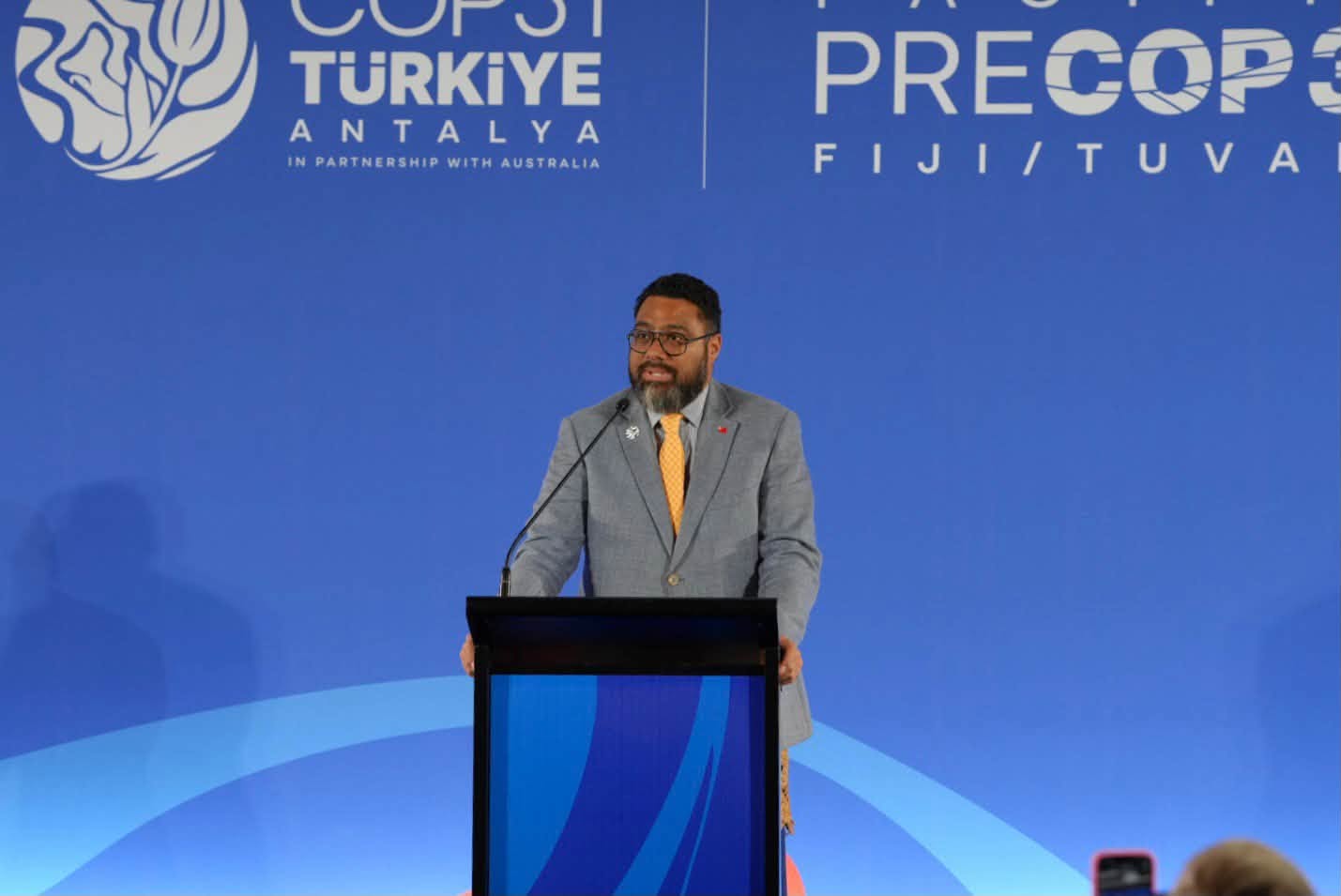
The Pacific’s newly operational regional climate fund is still US$320 million short of the minimum capitalisation it needs, with Pacific leaders urging international partners to turn pledges into actual funding before COP31.Climate Fund.
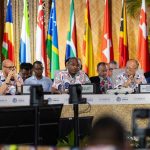
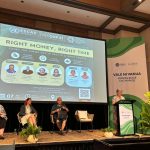
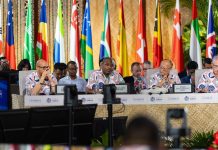
The Pacific Resilience Facility (PRF) has a minimum capitalisation target of US$500 million, Tonga’s Prime Minister Lord Fatafehi Fakafanua said at a pre-COP31 Turning Climate Finance into Community Resilience session in Nadi, Fiji.
The facility is designed to channel climate finance to smaller, community-led projects in Pacific countries, where larger international funds can struggle to meet local needs.
Fakafanua said the PRF had taken years to establish and had faced doubts over whether it could be created.
“Some even told us that this was not possible.
“And hurdle after hurdle we’ve overcome. And I’m happy to say it’s now in effect,” he said.
New funding commitments announced around the meeting include US$10 million from Fiji, US$2.3 million from Denmark and US$1.1 million from Solomon Islands.
The United Kingdom has pledged £10 million (US$11.19 million) towards the next phase of the facility, while the Netherlands has pledged €1 million (US$1.12 million).
Ireland has also indicated it intends to almost double the €3 million (US$3.35 million) it has already pledged.
But Fakafanua said the new commitments had not closed the funding gap.
“However, we still need US$320 million,” he said.
The Pacific wants the facility fully capitalised by COP31, making the remaining funding a key focus of its engagement with international partners ahead of the climate summit.
Fakafanua said Pacific countries had committed their own resources but could not meet the region’s climate financing needs alone.
“We cannot meet these challenges alone,” he said.
Fakafanua called on major emitters to provide multi-year public contributions, with clear amounts and payment schedules, saying pledges needed to become actual contributions to the facility.
“Pledges must become contributions to the facility, so that we can invest against the negative effects that are happening in the front lines today,” he said.
The PRF is intended to address what Pacific leaders see as a gap in existing climate and development finance, particularly for smaller investments.
“Where larger funds favour larger projects, we see the value of smaller community investments,” Fakafanua said.
He said the facility would allow funding to respond more directly to local circumstances and give communities greater control over the projects they need.
The urgency of that approach was underscored by the Leaders’ recent visit to Tuvalu, where he said the country’s limited land area and exposure to changing weather patterns demonstrated the vulnerability of Pacific island states.
“The Pacific is indeed in the front lines,” PM Fakafanua said.
He said Pacific countries were also confronting what he described as a “triple planetary crisis” involving climate change, biodiversity and pollution, alongside population pressures and economic instability.
“Where the responses fall short, we’ll find our own,” he said, describing the PRF as a Pacific response to those challenges.
He highlighted Tonga’s experience after the 15 January 2022 volcanic eruption and tsunami as an example of the resilience of Pacific communities.
The disaster devastated communities and forced some people to relocate, but Fakafanua said Tongans began clearing the destruction and rebuilding almost immediately.
“They just got on with it. And out of the embers they rebuilt and they relocated.
“That to me is resilience,” said Fakafanua.
But he said resilience alone was not enough.
“That resilience should not come alone. It should be supported by family, by community, by the rest of the world,” he said.
Fakafanua said private investment could help expand the facility’s work, but should not replace public grant finance.
“Private investment can help expand this work,” he said. “However, it cannot replace the grant financing that is required for equity, for fairness, for justice.”
He warned that delays in providing finance were already having consequences for Pacific communities.
“Our communities cannot afford further delays,” he said. “I feel those delays equal water, damaging schools, flooding, and lives disrupted in disaster.”
Fakafanua used the image of a Pacific canoe to describe the funding challenge, saying the region had made its own commitment but needed partners to help move the facility forward.
“This paddle, if left alone with no partner, will lead us in a circle going nowhere.
“The ask from all of us leaders is to paddle with us. Balance the canoe,” he said.
The PRF is hosted by Tonga and is intended to be a Pacific-governed mechanism supporting priorities identified by communities themselves.
Fakafanua said the goal now was to turn existing pledges into contributions and secure the remaining US$320 million.
He said Pacific communities should not have to rely on their own resilience and generosity without matching international support.
“The resilience cannot depend on our determination alone.
“It must be met with shared commitment,” Fakafanua said.
With the fund now operational but still short of its minimum capitalisation, Fakafanua’s assessment was that the Pacific was close to its goal but had not yet reached it.
“We’re almost there, but we’re not quite,” he said.