


Fiji plans to designate up to 15 percent of its waters as marine protected areas by the end of 2026 as part of its commitment to conserve and sustainably manage 30 percent of its marine environment by 2030, according to a World Oceans Day statement from the Ministry of Fisheries.
Marking World Oceans Day 2026 under the theme “Strong Marine Protected Areas for Our Blue Planet,” the ministry said the government remains committed to strengthening stewardship of ocean resources through stronger governance, conservation measures and community participation.
The statement stressed that Fiji’s ocean resources remain central to the country’s identity, food security and economic development.
The ministry said Fiji’s ocean, land and rivers form a single interconnected system that supports livelihoods and national wellbeing.
“We must be reminded that the ocean around us remains our identity, our cultural inheritance, our source of sustenance, and the foundation of our economy.”
“In Fiji, our ocean, land, and rivers are one interconnected system that underpins food security, livelihoods and national wellbeing. As a large ocean state, our future rests on how well we manage and protect these interconnected systems for present and future generations.”
The ministry noted that fisheries continue to play a major role in the economy, with offshore tuna fisheries contributing significantly to national revenue while inshore and river fisheries remain critical sources of food and income for communities.
However, it warned that marine resources face growing pressure from overfishing, climate change, coastal development and land-based pollution.
“Fisheries resources are under pressure due to overfishing, climate change, coastal development and land runoffs. The illegal, unreported, and unregulated (IUU) fishing within Fijis fisheries waters significantly diminishes fish stocks and destructive to coral reefs.”
The ministry said activities on land directly affect rivers, reefs, coastal waters and fish stocks, making ocean management a responsibility shared by all Fijians.
“As Fijians we all play a vital role in the management of our ocean. Activities on land directly impact on our riverine systems, coastal waters, reefs and fish stocks.”
To address these challenges, the government is strengthening fisheries governance across both coastal and offshore sectors.
The ministry said community-based fisheries management and marine reserves are helping fish stocks recover in coastal areas, while reforms to fisheries policies and regulations are improving enforcement and compliance measures.
Climate change continues to pose a major threat to marine ecosystems, with rising sea temperatures and changing weather patterns affecting fisheries and coastal communities.
The ministry also highlighted emerging marine challenges, including ciguatera fish poisoning, jellyfish blooms and occasional cetacean strandings.
“Climate change remains one of the most significant threats to marine ecosystems. Rising sea temperatures, changing weather patterns, and coastal impacts affecting fisheries and livelihoods.”
“Emerging marine challenges – including ciguatera fish poisoning, jellyfish blooms and occasional cetacean strandings and interactions – highlight the increasing sensitivity of marine ecosystems.”
It said stronger collaboration between government agencies, communities and regional partners is needed to improve monitoring, early warning systems and coordinated responses.
In offshore fisheries, Fiji is increasing surveillance efforts to combat illegal fishing activities through the Fiji Fisheries Surveillance and Operation Centre.
The ministry said the centre uses vessel tracking systems, satellite imagery and modern monitoring technologies to monitor Fiji’s waters and protect fisheries resources.
“Stronger monitoring and surveillance systems are taking the fight to illegal, unreported and unregulated (IUU) fishing – protecting Fiji’s ocean space.”
“The Fiji Fisheries Surveillance and Operation Centre leads this effort, using advanced vessel tracking, satellite imagery and modern monitoring systems to watch over our waters.”
The ministry said cooperation with regional and international partners remains critical in tackling illegal fishing and ensuring sustainable management of tuna stocks, one of the Pacific’s most valuable shared resources.
‘Tuna fisheries remain among our region’s most valuable shared resources. To secure long term benefits, we are investing in stronger cooperation, stronger governance, and coordinated investment across the Pacific.”
A key focus of Fiji’s ocean strategy is achieving its 30×30 target, which aims to conserve and sustainably manage 30 percent of marine areas by 2030.
“Work on our commitment to conserve and sustainably manage 30 percent of our marine areas by 2030 – known as the 30×30 – is advancing. Fiji intends to designate up to 15 percent of its waters as marine protected areas by the end of 2026 – putting us halfway to our 2030 target.”
The ministry said the initiative builds on Fiji’s existing fisheries management framework and seeks to balance conservation with sustainable use of marine resources.
“With our existing management system and 30×30 in place, we strike the right balance – conserving the ocean while still allowing Fijians to benefit from it.”
The government is also investing in resource diversification through fishing aggregation devices (FADs) and exploring deepwater snapper fisheries to reduce pressure on coral reefs and improve food security.
Additional investments are being made in ecosystem restoration, solar-powered fisheries infrastructure, habitat protection and community-based management.
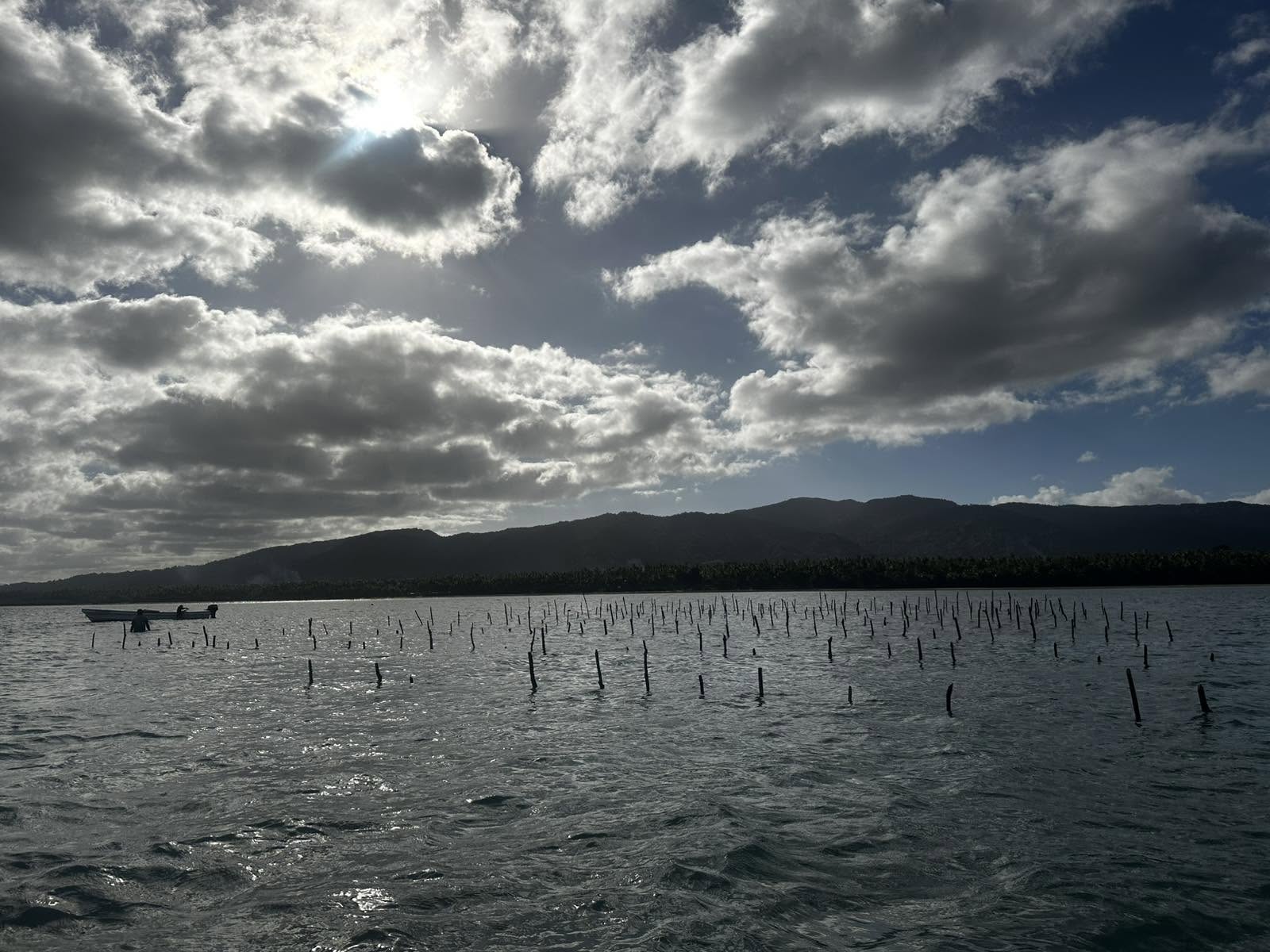
The ministry said aquaculture and mariculture projects are creating alternative livelihoods while reducing pressure on wild fish stocks.
These include seaweed farming, pearl and mabe pearl production, rock oyster and giant clam farming, and tilapia and shrimp farming.
“These initiatives are increasingly supporting women, youth and rural communities.”
The ministry also highlighted efforts to strengthen local fish processing, diversify offshore fisheries and improve fisheries research and data systems to support evidence-based decision-making.
It said development partners continue to play an important role in supporting climate adaptation, research, monitoring and climate-smart infrastructure.
Despite these investments, the ministry stressed that protecting Fiji’s marine environment cannot be achieved by government alone.
“However, protecting Fiji’s ocean cannot be done by Government alone. This is a shared responsibility.”
“Every Fijian has a role to play – reducing waste, protecting our waterways, complying with fisheries regulations and supporting sustainable practices.”
The ministry said World Oceans Day serves as a reminder that Fiji’s land, rivers and ocean are closely connected and require collective management and protection.
“As we observe World Oceans Day under the theme ‘Strong Marine Protected Areas for Our Blue Planet’, the message is clear: Our ocean, rivers and land are connected – and they must be managed and protected collectively.”
“With unity of purpose and action, Fiji will continue to safeguard food security, building resilience and driving sustainable national development.”
The ministry also called on the public to respect catch limits, avoid buying undersized fish and shellfish, participate in environmental clean-up campaigns, support responsibly sourced seafood and raise awareness about ocean conservation within their communities.