Home Blog Page 1162

Australia’s Pfizer purchase from vaccine-sharing Covax stockpile under fire

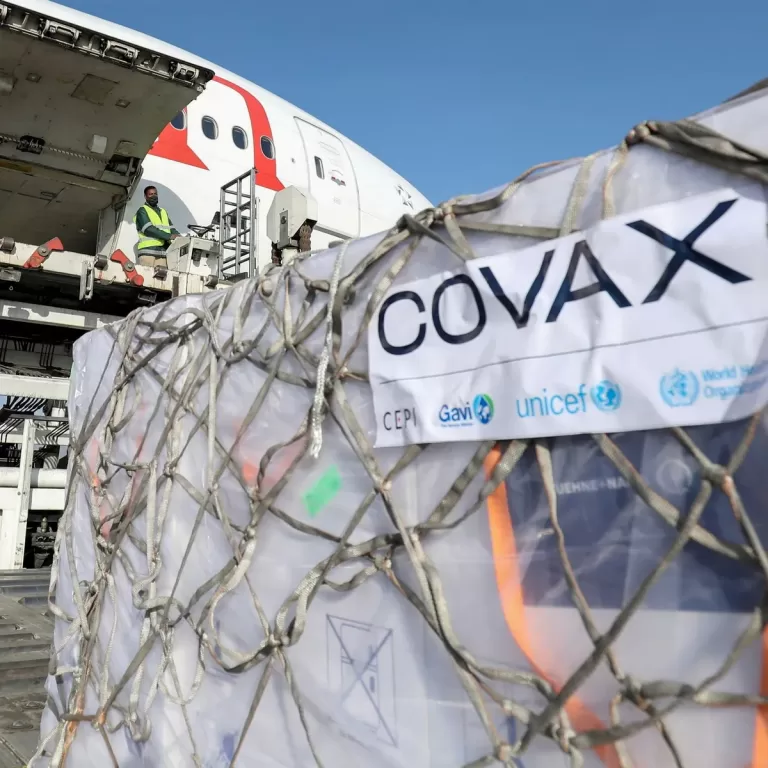
Australia’s purchase of 500,000 Pfizer doses from the global vaccine-sharing Covax initiative has renewed debate about whether more Covid-19 vaccines should be reserved for developing countries.

On Tuesday Labor and the Australian Council for International Development questioned Australia’s purchase of 500,000 doses from the World Health Organisation-run scheme, which was first announced by the health minister, Greg Hunt, on 06 June.

Australia has paid $123m (US$89 million) to buy the option to purchase 25m doses from Covax and contributed a further $130m (US$94 million) to support vaccine access for low-income countries.

Although Australia received no Pfizer in the first round of Covax distributions in the first quarter, and no AstraZeneca in the second round from February to May, it is one of a number of developed countries that received Pfizer in the third round.

Although the largest allocations went to Colombia, Brazil, Mexico, the Philippines and South Africa, Australia bought 500,000 doses, the UK 539,370 and New Zealand 100,620.

The government has previously championed its participation in the scheme, which consists of a stream for developing countries to receive vaccines and a second stream that allows developed countries to buy vaccines if their domestic supplies are low.

Australia has plentiful supplies of domestically produced AstraZeneca and has given millions of doses to Indonesia, Papua New Guinea and other regional neighbours.

But due to medical advice that Pfizer is the preferred vaccine for people aged under 59 and greater vaccine hesitancy for AstraZeneca, Australia has been on a worldwide hunt for extra Pfizer doses. On Sunday the Australian government announced it had bought 1m doses of Pfizer from Poland.

The Australian Council for International Development chief executive, Marc Purcell, told the Sydney Morning Herald that Australia had shown “desperation to get the preferable vaccine, Pfizer, from any sources into Australia”.

“But we can’t forget that our fortunes are tied up with reducing and eradicating Covid in the developing countries that surround Australia,” he reportedly said.

“The Covax facility is open to countries in genuine need, but clearly countries like Indonesia, Philippines and Malaysia should be a priority for donors like Australia.”

The New York Times has reported that Pfizer wanted new doses to go to developing countries but Covax has insisted on fulfilling orders to developed countries such as Australia that had bought them at higher prices.

The Australian government does not publish real-time information about the source of vaccine doses, leading to confusion in July about the source of extra Pfizer doses to be sent to New South Wales.

LaboUr’s foreign affairs spokesperson, Penny Wong, said Australians “would have much more confidence in the vaccine rollout if Morrison were just straight with people”.

“If Morrison has had to resort to accessing vaccines intended for developing countries, he should be upfront about that,” Wong said. “Of course, if Morrison had done his job last year and secured sufficient supplies, we wouldn’t be in this position.”

In June Hunt told reporters in Canberra that Australia would receive 500,000 doses of Pfizer from Covax “in coming weeks”.

On Tuesday the shadow health minister, Mark Butler, said it was “an indictment” on the Morrison government’s vaccine acquisition strategy that Australia had to “go begging and scraping” to a facility set up for the world’s poorest nations.

Butler told reporters in Adelaide that Labor “welcomes any doses made available” but Australia should have secured more doses through private supply deals rather than relying on Covax.

The health department has rejected claims Australia’s purchase had taken doses from lower income countries.

A spokesman said this “completely misrepresents” the way Covax works, noting Australia had purchased doses from the stream reserved for 91 upper and middle income “self-financing member economies”.

“The additional doses Australia secured through Covax were never intended for low income countries and were never part of that section of Covax. To suggest otherwise is offensive.”.

SOURCE: THE GUARDIAN/PACNEWS

Industrial hemp an alternative to illegal marijuana: Fiji Economy Minister

0

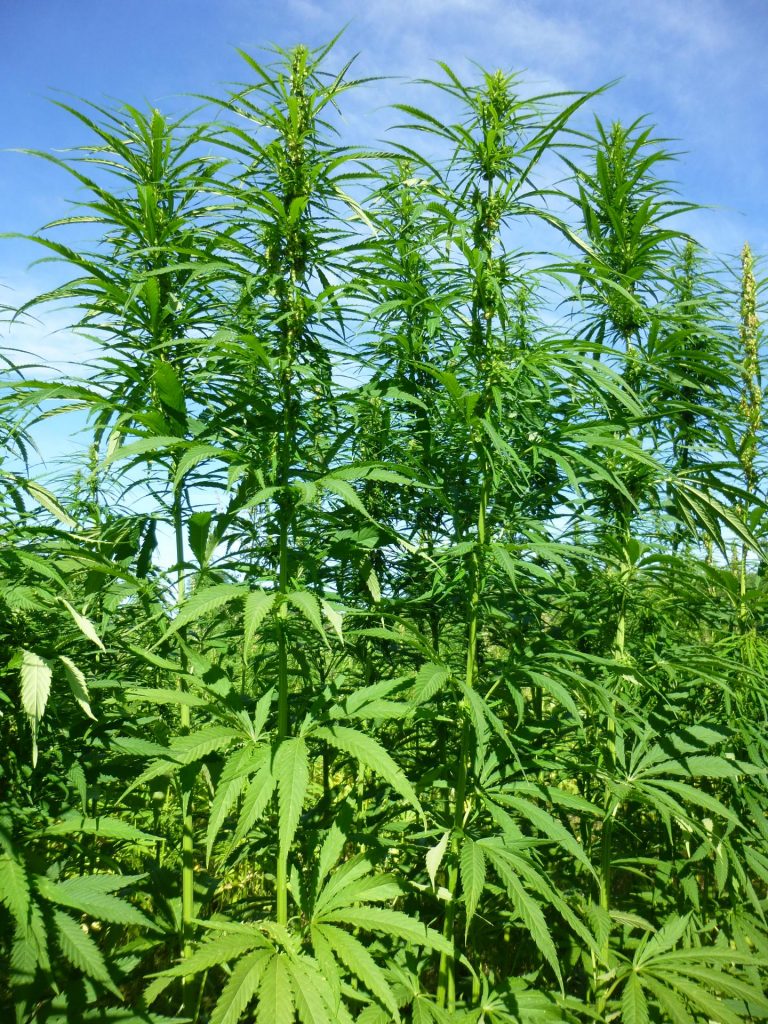
The Fijian government is hoping a study into the potential for industrial hemp will provide an alternative for the illegal marijuana trade in Fiji.

Minister for Economy Aiyaz Sayed-Khaiyum has told parliament that they are not interested in hemp with a high level of tetrahydrocannabinol or THC which makes people high.

“We want it to replace the illicit agriculture sector, but we have to look at the laws because the Illicit Drugs Control Act has a very wide coverage of cannabis so it’ll get caught. If you want to even grow hemp that has a very low level of THC, it’ll still be illegal.”

Industrial hemp is more about value-added products such as food, fiber, textiles, and at least 25,000 other uses.

Sayed Khaiyum said if adopted, the government doesn’t want Fiji to be a grower of industrial hemp but to have locally manufactured products, made by local companies.

“Where is the best place to plant industrial hemp, when we should plant, we need to look at the markets – who will buy it. We have to look at the climate and soil requirement.”

He said other countries use hemp with higher THC levels for medicinal purposes but Fiji is not exploring that option.

Industrial hemp has a global trade value of about US$900 million annually.

SOURCE: FBC NEWS/PACNEWS

Pacific Islands: Economic outlook

0

By Kishti Sen & Tom Kenny

It’s been a tough time for Pacific island economies. The COVID-19 pandemic and associated global supply chain disruptions along, with mobility restrictions, impacted commodity exporting countries while closed borders meant the tourism dependent economies were decimated in 2020.

With international borders remaining closed and many local restrictions still in place, economic conditions will be challenging for the rest of 2021. Governments are handing down higher spending budgets to support demand and businesses while diversifying their economies. However, Pacific island governments with limited resources do not have the fiscal firepower to run large stimulus programs like the developed world.

The good news is, with the help of development partners, vaccinations are proceeding well – raising hope for a tourism-led economic recovery from the first quarter of 2022 for Samoa, Vanuatu and Tonga. Cook Islands is on a path to an economic recovery with a safe travel corridor with New Zealand. On reaching 80 per cent vaccination coverage, Timor-Leste, Kiribati and Solomon Islands should see fewer restrictions on local and international travel in 2022 which will boost trade in goods and services.

Private money transfers to the Pacific islands are exceeding expectations. With tourism on hold, remittances have become the largest foreign exchange earner for several Pacific island countries and are helping minimise the need to dip into a nation’s foreign reserves to pay for imports.

Total remittances to Samoa lifted sharply in 2020 to WST607 million (US$236 million) (+11 percent year-on-year), Tonga received TOP398 million (US$177 million) (+14.3 percent) while Vanuatu accumulated VUV6 billion (US$53 million) (+2 percent). For the first half of 2021, private transfers are at levels similar to 2020. Low unemployment rates in key source markets and New Zealand’s recruitment of more Pacific labour in the coming months should lift remittances to near record levels this year.

The Pacific’s shared identity of ‘stronger together’ is underwriting the strong inflows of remittances and supporting household budgets.

This is a difficult period for Pacific island economies. International tourism, a mainstay for several economies, has been on hold since April 2020. Gross domestic product (GDP) has fallen sharply, unemployment has shot up and many businesses are experiencing negative cash flows.

Kiribati, Solomon Islands and Timor-Leste have smaller tourism industries. They depend on commodity exports – tuna for Kiribati, logs for the Solomon Islands and oil for Timor-Leste – so they are relatively sheltered from the collapse of tourism. Nonetheless, mobility and international travel restrictions have kept COVID-19 at bay.

Domestic economy supported by record remittance flows

New government expenditure in the initial responses to the COVID crisis ranged from 1.6 percent of GDP in Samoa to 8.3 per cent for Timor-Leste. Fiscal policy is still supporting demand and all governments are handing down large spending budgets despite taking hits to revenue.

Total borrowing requirements of Pacific island governments have lifted to fund larger fiscal deficits. However, nearly all governments have secured cheaper external loans from multilateral and bilateral development partners. This has reduced debt servicing costs as the offshore loans were negotiated at exceptional terms, both in terms of rates and tenor.

States are likely to secure more budget support loans from multilateral organisations to keep the cost of debt down. The International Monetary Fund (IMF) recently said it would top up the special drawing rights (SDR) allocation for member countries to provide liquidity support. The alternative for governments would be to tap the more expensive domestic market which would put upward pressure on the cost of debt and raise concerns about affordability. However, the risks of this are low as Pacific island states maintain good support from development partners as shown by the terms of recent loans.

The AUD$2 billion (US$1.4 billion) Australia Infrastructure Financing Facility for the Pacific (AIFFP) will also help investment and job creation. A pipeline of AUD$300 million (US$217 million) will be rolled out in the second half of this year.

Cook Islands

Border closures early in 2020 helped Cook Islands avoid any COVID-19 cases. They also shut down the islands’ tourism industry which led to a 26.2 percent decline in GDP. Nonetheless, in May, Cook Islands opened a safe travel corridor allowing quarantine-free travel with New Zealand, its key source market. Demand has been good and nearly 7,500 New Zealanders arrived in Cook Islands in May and June.

With almost all the islands’ adult population fully vaccinated, Cook Islands is on relatively firm ground to begin an economic recovery.

Kiribati

Prior to the pandemic, the Republic of Kiribati’s economy was performing remarkably well with average GDP growth nearly 5 per cent over the 2015–19 period. This was well up on the 1.5 per cent annual average growth recorded during the 2000–14 period. Government expenditure makes up 65 per cent of GDP.

Then came the pandemic. Strict containment and lower external demand led to a 34 per cent drop in fishing revenue to AUD$150 million (US$108 million) in 2020. The services sector, including restaurant and hotel services, transportation and other business activities were also hit by the fall in tourism. Planned large construction projects were delayed because of restrictions on the movement of personnel and materials.

Even though the government kept up its budgeted spend and implemented a COVID-19 response package (equivalent to 4.9 per cent of GDP), real GDP is estimated to have declined by 0.5 per cent in 2020. ANZ Research is forecasting GDP to track sideways this year but recover in 2022 if restrictions ease, assuming a successful vaccination rollout.

Samoa

The new Samoan government will likely set a new fiscal course as it steers the economy out of the 2020-21 recession caused by the shutdown of the tourism industry. GDP is estimated to have declined by 12.5 percent in the 2020-21 financial year.

The people of Samoa are incredibly resilient and have bounced back from previous epidemics (dengue, zika virus, typhoid and measles) and from natural disasters including cyclones, floods and tsunami. Restarting tourism will be critical but a solid sense of community and desire to fight back gives Samoa a strong platform for economic recovery.

Solomon Islands

The economy of Solomon Islands contracted by 4.3 percent in 2020, taking the nation into its first recession since 2004. Global supply disruptions, lockdowns and closed borders impacted manufacturing, logging, fishing and tourism. Formal sector employment fell by 6 percent year-on-year to 57,028 in December 2020 which in turn reduced wholesale and retail demand.

GDP is expected to partially rebound in 2021 (by 1.8 percent) before strengthening to 4.6 percent in 2022. Soft growth this year is due, in part, to the five-month delay of the 2021 National Budget. Also delayed due to pandemic-related restrictions was the start of the USD$251m Tina River Hydro project.

Tonga

Tonga is one of a handful of countries that so far has recorded zero cases of COVID-19. Lessons from a measles outbreak in 2019, early border closures, strict enforcement of international border restrictions, overnight curfews and COVID-19 protocols have served Tonga well.

But while Tonga avoided a health emergency, mobility restrictions impacted external and domestic demand which led to an unavoidable fall in economic activity. Tourism accounts for 15 per cent of GDP so Tonga was relatively sheltered from international travel halting in 2020. Nonetheless, GDP is estimated to have declined by 0.8 per cent and 2.5 percent in the 2020 and 2021 financial years, respectively.

Tonga’s government passed a TOP584 million (US$260 million) budget for 2021-22, which is up 21.5 percent on the 2020-21 budget. The additional stimulus should support the economic recovery.

Vanuatu

Vanuatu’s tourism-dependent economy was hit hard by COVID-19 border closures in 2020. With zero visitor arrivals for most of the year, its international tourism industry was decimated. Most of the 11,500 strong tourism workforce lost jobs with businesses, especially in Port Vila and Luganville, which experienced negative cash flows and were under severe pressure to survive. It’s estimated GDP declined by 12.6 per cent in 2020 with new government expenditure preventing a larger contraction.

With tourism on hold, the government wants to broaden the base of economic drivers to kick-start an economic recovery. This is understandable. Many households depend on crop production and there is a growing world demand for premium crops such as kava, cocoa, coffee, copra, pepper and vanilla. However, to realise the potential in agribusiness, Vanuatu needs economies of scale and major investments in infrastructure to unlock supply bottlenecks including transport and product preservation and processing, which could take years.

Timor-Leste

The Timor-Leste economy has been in a state of flux with authorities trying to work out how best to lift the nation’s status to an ‘upper middle income’ country by 2030. But the optimal path to achieving this hasn’t been settled on. Should the state be channelling money directly into the health and education and labour-intensive agriculture or should it be commercialising the country’s resources and using the proceeds to build infrastructure? This is a common policy debate amongst authorities.

According to the Ministry of Finance, the economy declined by 8.5 percent in 2020 due to the pandemic disruptions to mobility and demand, both domestic and external. This preliminary estimate marks the nation’s largest fall in GDP since gaining independence in 2002. The 2021 National Budget was passed in December and some certainty in appropriation will boost confidence and help the economy recover from its worst recession on record.

Kishti Sen is International Economist and Tom Kenny is Senior International Economist at ANZ

This article was adapted from an ANZ Research insight

SOURCE: BLUE NOTES ANZ/PACNEWS
Cook Islands quarantine free travel from New Zealand suspended

Cook Islands travel bubble with New Zealand has been suspended after health officials have reported new Covid-19 community cases in Auckland.

Four community cases were reported overnight by authorities, including an Auckland hospital worker, bringing total to five.

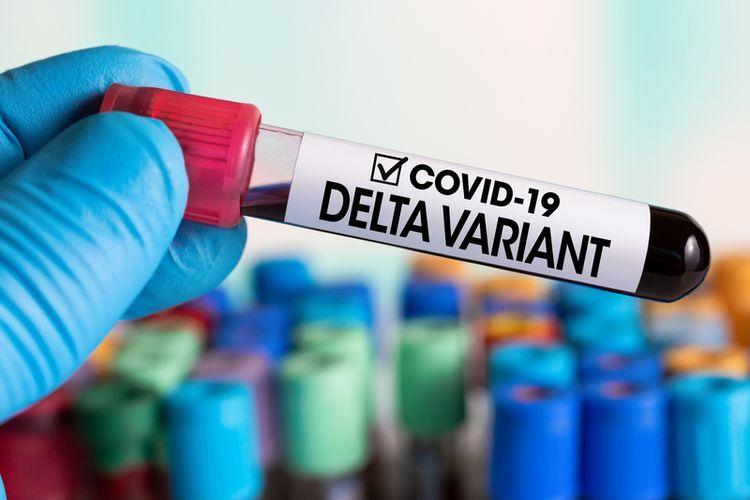
Cases are all linked to Tuesday’s first case in Auckland, which is confirmed as Delta variant.

“While the epidemiological variance and transmission link for the community case in New Zealand is still being investigated, we must act swiftly here to minimize exposure risk for the Cook Islands so we remain safe” said Cook Islands Prime Minister Mark Brown.

This alert level change will mean that international inwards passenger arrivals for 72 hours through to Thursday are suspended. This pause on international arrivals will allow Te Marae Ora Ministry of Health to test arriving passengers from 11 August. This also means domestic travel to the Pa Enua from Rarotonga is suspended for 72 hours also.

Passengers can return to New Zealand from Rarotonga. Passengers from Pa Enua can return back to Rarotonga.

“This is a good time to remind ourselves of the need to practice good hygiene measures, and to actively tag in with Cooksafe and Cooksafe+” Prime Minister Brown adds.

Cook Islands Cabinet will meet again tomorrow to consider new updated information received and next steps.

SOURCE: COOK

Fiji records 590 new cases of COVID-19, 11 new deaths reported

Fiji has recorded 590 new cases of COVID-19 and 11 new deaths Tuesday, increasing the total number of cases to 41,107 and 403 deaths since the outbreak in April.

Permanent secretary for Health, Dr James Fong said 420 cases are from the Western division and 170 cases are from the Central division in Vitilevu, Fiji’s main island.

“There have been 1,304 new recoveries reported since the last update, which means that there are now 21,754 active cases. 14,554 active cases are in the Central division, 7,199 active cases in the Western division and one active case in the Northern division.

“We are currently reviewing and reconciling our active case database with recoveries and as a result, we expect the recovery numbers to increase in the coming weeks.

“There have been 41,107 cases during the outbreak that started in April 2021. We have recorded a total of 41,177 cases in Fiji since the first case was reported in March 2020, with 18,795 recoveries,” said Dr Fong.

He said the 11 new COVID-19 deaths reported for the period of 13 – 15 August. Five deaths were reported from the Central division and six deaths were reported from the Western division.

“There have now been 405 deaths due to COVID-19 in Fiji, with 403 of these deaths during the outbreak that started in April this year. The national 7 day rolling average of COVID-19 deaths per day is 9. The 7 day rolling average of COVID-19 deaths in the Central Division is 4 and in the Western Division is 5.

“We also have recorded 223 COVID-19 positive patients who died from the serious medical conditions that they had before they contracted COVID-19; these are not classified as COVID-19 deaths,” Dr Fong said.

He said there are currently 320 COVID-19 patients admitted to hospital in Fiji.

“15 patients are admitted to the Lautoka Hospital, 43 patients are admitted at the FEMAT field hospital, and 162 admitted at CWM hospital, St Giles, and Makoi.

“Nine patients are considered to be in severe condition, and 13 are in critical condition.

“The 7-day daily test average is 1507 tests per day or 1.7 tests per 1,000 population. The national 7-day average daily test positivity is 32.8 percent,” Dr Fong explained.

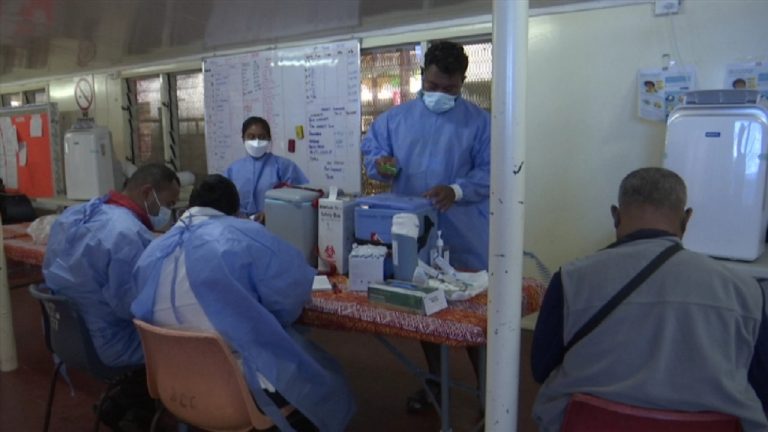
As of 16 August 536,123 adults in Fiji have received their first dose of the vaccine and 216,012 have received their second doses.

“This means that 91.4% of the target population have received at least one dose and 36.8% are now fully vaccinated nationwide,” said Dr Fong.

SOURCE: PACNEWS

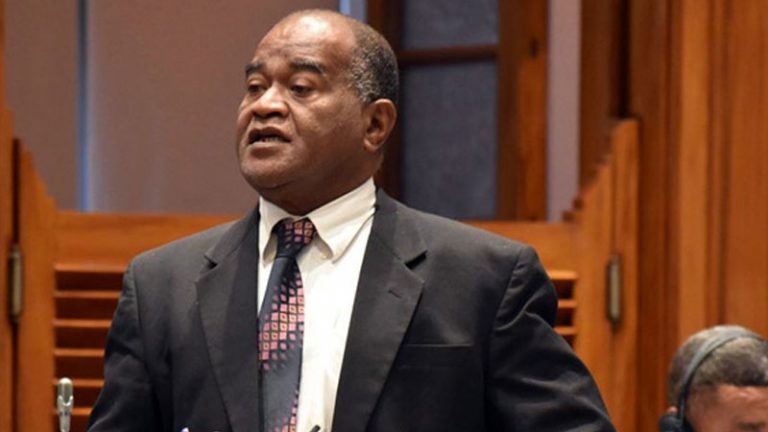
SODELPA MP Niko Nawaikula wins case

Fiji’s Chief Justice Kamal Kumar Tuesday ruled that the Supervisor of Elections Mohammed Saneem’s decision to vacate Niko Nawaikula as a Member of Parliament is null and void.

Justice Kumar said the Supervisor of Election’s action in removing Nawaikula’s name from the Register of Voters is unlawful and wrong.

He said with this decision, Nawaikula is to be reinstated as a Member of Parliament with immediate effect and re-registered in National Register of Voters.

Justice Kumar said Nawaikula’s name on the birth certificate is Nikolau Tuiqamea but he has been using the surname Nawaikula since he was a child.

He said he was not legally required to provide his name on his birth certificate to be registered as a voter and had provided his driver’s license while registering which was accepted.

The Chief Justice said the law does not require use of birth certificate names, and allows use of names other than the birth certificate name.

Justice Kumar said it is the duty of the Supervisor of Elections to implement the law and not to enact it.

The ruling of the Court of Disputed Returns cannot be appealed.

Justice Kumar said that the Speaker of Parliament is to be advised immediately of their decision on the matter.

A member of Nawaikula’s legal team Graham Leung said they were relieved and pleased with the Court’s decision.

Nawaikula’s legal team also included lawyer Jon Apted, Sevuloni Valenitabua and Simione Valenitabua.

Leung noted that the court spent a large part of its judgment discussing the Law of Names and basically the court concluded, referring to cases from other jurisdictions, that if you are known by a certain name over a long period of time by usage and reputation, that can also be your name. Not necessarily the name on your birth certificate.

Meanwhile, re-instated SODELPA MP Niko Nawaikula says the court ruling in his case is a ‘win for democracy’.

Nawaikula in a statement on social media said the ruling is also a win for the rule of law and judicial system.

“It’s a message to the ordinary person that the rule of law and its machinery is the foundation for any civil society.”

“Thank you again for all your prayers, rosaries, novenas, and support for making this happen,” he said.

He said with the financial assistance from families, friends and supporters he managed to assemble a formidable legal team.

SODELPA Leader Viliame Gavoka has welcomed the ruling by the Court of Disputed Returns and believes that justice has been served for their colleague.

He said this matter has also brought to light the unilateral decisions taken by the Supervisor of Elections (SOE) on which SODELPA has strongly voiced concern.
“The SOE is also the Registrar of Political Parties (ROPP) and bestowing so much power in one person is recipe for disaster and comes under constant scrutiny by SODELPA.”

“It can lead to abuse, affecting the rights of voters and indeed, elected representatives.”

“We understand that this is not the first time that decisions made by the SOE have been nullified by the Courts. Going forward, it is hoped that the Elections Supervisor treads with caution with the use of his powers in the discharge of his duties,” Gavoka added.

SOURCE: FIJI LIVE/ MAI TV/PACNEWS

12 cases of delta variant confirmed in PNG

Papua New Guinea deputy Controller for National Pandemic response Dr Daoni Esorom says the country has 12 confirmed cases of delta variant.

He said the latest COVID-19 cases are three males from Western Province.

The National Control Centre will be sending a team to Western Province as they did with Madang last week to help with contact tracing and give technical advice and guidance on how to respond on the ground.

Testing in PNG has been reduced since March and it is difficult to know how widespread is the transmission of delta variant.

Dr Daoni said an instruction has been given for all health facilities to test cases of Influenza-like illnesses (ILI), Severe Acute Respiratory Illnesses (SARI) and Suspected cases of COVID-19, but not all health facilities are adhering to this instruction.

He said, “If you have a low level of testing, and have a high uptake of detection of positive cases (at the moment it’s 12%) and you have a large pool of unvaccinated people, that is recipe for major spread of the Delta Variant”

Also, he said there is anecdotal evidence from Madang’s Modilon Hospital of increasing number of deaths of unknown causes and also at the Port Moresby General hospital.

There is a circular sent to Port Moresby General Hospital to swab all corpses with unknown causes of death and those with respiratory illnesses.

SOURCE: PNG GOVT/PACNEWS

Pacific Step-up or business as usual?

By Leonard Louma

Despite claims of a Pacific ‘Step-up’ and ‘Reset’, very little has changed in Australia and New Zealand’s attitude to the region, former Secretary of Papua New Guinea’s Department of Foreign Affairs Leonard Louma writes.

I have been pondering the ways Pacific countries can work with their traditional development partners, particularly Australia and New Zealand, in the days following a recent Australia Pacific Security College webcast. I appreciated Australia’s Minister for International Development and the Pacific, the Senator Zed Seselja, and Dame Annette King, New Zealand High Commissioner to Australia, taking a chance by being part of such an open forum with Professor Meg Keen, particularly when Pacific voices had the opportunity to ask challenging questions.

I come to this conversation with a long experience of dealing with both Australia and New Zealand. I have worked at senior levels in the Papua New Guinea (PNG) Government and sat across the table from New Zealand and Australia in the tough work of bilateral and regional diplomacy. I have seen the engagement pattern of both countries over a long period of time.

I thought the discussion was revealing, but the responses by both Minister Seselja and the Dame King did not signal any significant paradigm shift in the way their countries are approaching regional needs concerning climate change and environmental challenges, or in how they intend to deliver their development assistance in the region.

In other words, I did not see a Pacific ‘Step-up’ or a ‘Reset’, just business as usual.

My assessment may be a tough one to swallow in Canberra and Wellington, and it is made with due acknowledgement of enhanced effort. For example, New Zealand and Australia’s commitment to deliver COVID-19 vaccines to the Pacific and provide economic relief is to be commended.

It has been a massive humanitarian undertaking, one for which the Pacific family is grateful and appreciative. But is it a genuine change? A surging humanitarian response is consistent with past practice of both countries, but previous surges haven’t stopped their attention from being drawn elsewhere once the crisis has passed.

Climate continues to be the sticking point for Australia. Minister Seselja clearly considers that Australia has a strong case to make on its climate efforts. He explained how Australia is funding climate adaptation in the Pacific. However, it is in climate change mitigation that things get murkier.

According to Minister Seselja, Australia has reduced its emissions by about 20 percent, which he claims is far better than most developed countries. Of course, other assessments of Australia’s efforts have been far less positive, showing that the starting point for your measurement of success matters, as does how you count the yards.

Australia may consider it has a case to make but, if so, it isn’t cutting through with Pacific partners. With the 2021 United Nations Climate Change Conference approaching fast, Australia needs to be clear and open about its mitigation efforts to address this existential threat. Pacific Island states have clearly made mitigation a top priority, in both the 2018 Boe Declaration on Regional Security and the 2019 Kainaki II Declaration for Urgent Climate Change Action Now.

In addition, I thought opportunities to convince viewers and listeners of a real reset in policy were missed by the New Zealand High Commissioner when discussing how the Pacific might be brought into the conversation around the Indo-Pacific regional narrative.

Dame Annette said New Zealand’s priority was to include Pacific voices in regional rule-setting and flagged the Asia-Pacific Economic Cooperation (APEC) forum in passing. This struck me as an odd forum to choose, as APEC excludes Pacific states, with the exception of Papua New Guinea. Perhaps New Zealand intends to broker greater cooperation between APEC and the Pacific Islands Forum to draw our region into the debate on rules for the Indo-Pacific? If so, it would be a welcome step forward.

There was also a missed opportunity in discussing the possible leadership role that civil society organisations (CSO) and non-government organisations (NGOs) can play in framing and shaping policy. Instead, both speakers emphasised the importance of direct budget assistance to national governments.

While the nod to sovereignty is important and admirable, many Pacific governments are excluding or marginalising CSOs and NGOs at a time when their contribution could be critical – as indicated by a question from the Director of Fiji’s Council of Social Services. New Zealand and Australia also need to recognise they are playing a dangerous game — direct funding into systems with limited accountability can be destablising over time.

Although the Minister and High Commissioner managed to answer many challenging and difficult questions, they also side-stepped others. Regrettably, the Australian Minister skirted the questions on support for the Pacific Island Forum’s Pacific Resilience Facility and the Lowy Institute’s proposed Pacific financing recovery facility. The High Commissioner was also silent on these proposals.

There will be some disappointed listeners, but that is to be expected without a current policy position. However, the absence of a response suggests there is little appetite in Canberra and Wellington for innovative Pacific-led proposals to the developmental challenges of COVID-19 and the worsening climate.

If there is anything I would like to emphasise it is the tendency for Australia to react to what China does in the region, particularly when it comes to infrastructure. Imagine how different it would be if Australia took initiatives and let China react in whatever way it feels necessary. The narrative and optics would be controlled by Australia.

The Minister and High Commissioner should be commended for their openness and willingness to push the Pacific security conversation forward. The Pacific got some insight into Australia and New Zealand’s thinking on security risks and their potential response. However, when considered in the light of Australia and New Zealand’s long engagement in the region, it appears to be business as usual rather than transformative change.

Leonard Louma is the former Secretary of Papua New Guinea’s Department of Foreign Affairs.

SOURCE: POLICY FORUM/PACNEWS

Human ‘damage’ on the front-line of the climate crisis

The damage to people and livelihoods caused by climate change is happening at a scale that “people on the front lines cannot manage”, according to the UN’s humanitarian office, OCHA.

OCHA says that “time is running out for millions of people who are already losing their lives, their homes and their livelihoods” due to “extreme weather” that is “decimating” communities across the globe.

The majority of those people live in some of the poorest countries in the world, which are the least to blame for the emissions of harmful greenhouse gasses that are driving climate change.

As rich countries continue to emit greenhouse gasses at their highest-ever concentration levels, extreme weather is decimating more and more parts of the world.

“Time is running out for millions of people who are already losing their lives, their homes and their livelihoods to climate change. These people have contributed least to the global climate emergency, yet they are being hit the hardest.

“Climate-related damage is happening at a scale that the humanitarian community and people on the front lines cannot manage.

“We need to pressure world leaders to take meaningful climate action for those who need it most. They must commit to putting vulnerable people front and centre at the UN climate summit (COP26) in November,” said OCHA.

Through the Paris Agreement, rich countries had pledged to provide US$100 billion a year to help poorer countries tackle climate change through mitigation and adaptation actions. But the rich countries are falling behind in their commitments. Solidarity in the face of the climate crisis begins with developed countries fulfilling their promise to help the most vulnerable communities adapt to and mitigate the effects of climate change.

“The climate emergency is a race we are losing, but it is a race that we can win,” said UN Secretary-General António Guterres.

And in the race against the climate crisis, we can’t leave anyone behind,” he said.

SOURCE: UN NEWS CENTRE/PACNEWS

Former PM Rabuka warns Fiji First government that COVID-19 failures could cost them votes

Former Fiji Prime minister, Sitiveni Rabuka, says he wants next year’s election to be about common beliefs and not personalities.

Rabuka has emerged from what he describes as eight months in the political wilderness, to launch a new opposition party called the People’s Alliance.

It’s now going through the official registration process, but the former leader of SODELPA is confident approval will be granted, as the new group has the backing of more than double the five thousand names required to satisfy the regulations.

Looking ahead to the election next year, Rabuka has raised the possibility of a coalition being formed to replace the ruling Fiji First party, which he believes is at risk from its handling of the COVID-19 crisis, and the way he says it has threatened people who fail to get vaccinated.

However, Rabuka concedes if the People’s Alliance takes part in the election, there is a risk of splitting the opposition’s vote and strengthening Fiji First.

“We could be doing that.”

“That is a strategic decision that we have to make, and the option of drawing the line between two political personalities, rather than two political ideologies, because the opposition to government now share the same ideologies,” he told Pacific Beat.

“So what would happen is for us to find to find a new dialogue on coming together on a common platform and working together to unseat the government.”

But on the question of a future coalition, Rabuka says he does not know if such an arrangement would be workable with him involved, and that’s why he is forming his own new party.

“I was rejected by my former party as its party leader.”

“I have been in the wilderness since the seventh of December last year, and none of the other political parties that were already running, extended the olive branch to me.”

On the question of the COVID-19 crisis in Fiji, Rabuka expects it to loom large at the polls in 2022.

“I think the people all know that the situation has not been handled well. It could have been handled a lot better.”

“I proposed the idea of an apolitical combination…similar to the cabinet that was established by the British government during the early part of the Second World War, to bring both sides of a political divide together for a common platform.”

Rabuka acknowledges that vaccination rates in Fiji are high, but he questions the way the government has achieved those figures, and he says their methods could certainly influence the way people vote next year.

“People have been forced to have the vaccination…they could lose their social benefits, they could lose their jobs, when the government say no job, no work; no job, no re entry into the workforce; no job, no entry into public access areas,” the former prime minister said.

“People have been threatened in their personal choices because of the concern of the government for the well being of the economy,” he said.

SOURCE: ABC/PACNEWS