Home Blog Page 1140

Fiji recorded 128 new cases of COVID-19

Fiji has recorded 128 new cases of COVID-19 Sunday, increasing the total number of cases in the island nation to 48,916 and 533 deaths since the outbreak that started in April.

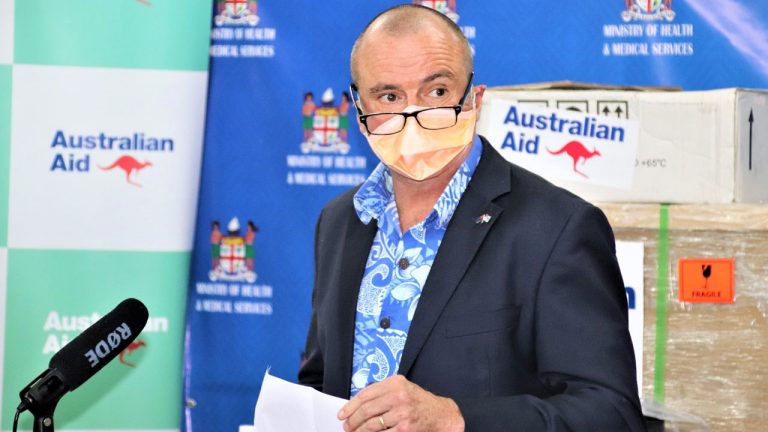
Permanent secretary for Health, Dr James Fong said 90 cases are from the Western division and 38 cases are from the Central division in Vitilevu, Fiji’s main island.

“There have been 173 new recoveries to report since the last update, which means that there are now 12,814 active cases. 1,474 active cases are in the Central division, 11,043 active cases in the Western division, two active cases in the Northern division (Macuata) and 295 active cases in the Eastern division (all in Kadavu).

“There have been 48,916 cases during the outbreak that started in April 2021. We have recorded a total of 48,986 cases in Fiji since the first case was reported in March 2020, with 35,272 recoveries,” Dr Fong explained.

He said there have been two deaths of COVID-19 positive patients.

“However, these deaths have been classified as non-COVID deaths by their doctors. The doctors have determined that these deaths were caused by a serious pre-existing medical condition and not COVID-19.

“There have now been 535 deaths due to COVID-19 in Fiji, with 533 of these deaths during the outbreak that started in April this year. As of 07 September the national seven day rolling average of COVID-19 deaths per day is two. The seven-day rolling average for COVID-19 deaths per day in the Central division is one and in the Western division is one.

“We also have recorded 365 COVID-19 positive patients who died from the serious medical conditions that they had before they contracted COVID-19; these are not classified as COVID-19 deaths,” said Dr Fong.

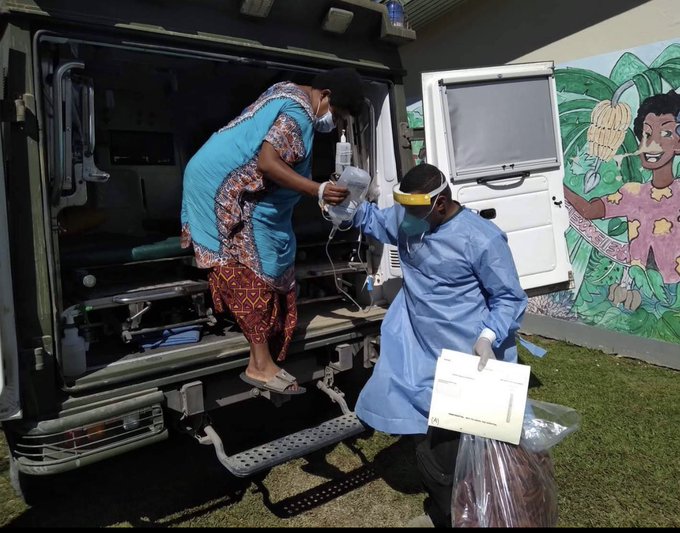
He said there are currently 127 COVID-19 patients admitted to hospitals in Fiji.

“50 patients are admitted at the Lautoka Hospital, eight patients are admitted at the FEMAT field hospital, and 69 admitted at CWM hospital, St Giles, and Makoi.

“17 patients are considered to be in severe condition, and four are in critical condition,” said Dr Fong.

The national seven-day average daily test positivity is 16.3 percent, which is on a downward trend but still indicating a high level of community transmission, he said.

As of 11 September, 569,931 adults in Fiji have received their first dose of the vaccine and 341,679 have received their second doses.

“This means that 97.1 percent of the target population have received at least one dose and 58.2 percent are now fully vaccinated nationwide, Dr Fong said.

SOURCE: PACNEWS

NZ takes ‘cautious approach’ to Fiji’s plan to reopen border amid outbreak crisis

New Zealand has opted to take a “cautious approach” to Fiji’s future travel initiatives as the Pacific island nation prepares to reopen its borders amid the Covid-19 pandemic.

The Ministry for Foreign Affairs and Trade says New Zealand will be guided by public health considerations.

Fiji is preparing to reopen its borders on November 1 and only fully vaccinated travellers will be allowed in, the Government said.

The only exceptions would be “a few emergencies”.

Prime Minister Frank Bainimarama wants commercial and international flights to resume in about eight weeks’ time.

Fiji has more than 10,000 active cases in isolation, with more than 500 deaths reported since April.

The Government is also adamant at least 80 percent of the target population would be fully vaccinated against the deadly Delta virus by the end of October.

But not everyone is convinced.

Fiji’s main opposition Social Democratic Liberal Party (SOLDEPA) said the Government should “tread very carefully”.

SODELPA leader Viliame Gavoka, a former tourism executive, said the Government should be focused on addressing the virus rather than rushing to open the borders.

He said the party supports the vaccination campaign and encourages as many Fijians as possible to immunise against Covid-19.

“What this Covid-19 pandemic has taught us is that we have got to have our priorities right. Health first over the economy, which will fall into line.

“I will not be encouraging Government to be hasty about this. I don’t believe Fiji is ready.

“We should tread very carefully on that and I’ll make that known to the Government.”

The Health Ministry said that as of 07 September, 52.9 percent of the target population was fully vaccinated against Covid-19.

A former Fiji Health Minister, Dr Neil Sharma, said there is not enough clarity on the Government’s initiative.

Sharma served as Health Minister between 2009 and 2014 under the current FijiFirst Government.

He said Fiji’s health system is overwhelmed and the Government needs to come up with a better strategy to reopen the borders.

“They are not verbalising well all that is required. Just saying that they are going to open the borders is kind of difficult to understand.

“Even if you open the border, who is going to come here? It’s going to be hard because the system is very fragile and it’s an evolving picture.”

The important thing is Fiji takes one step at a time, Sharma said.

New Zealand and Australia have shut their borders due to Covid outbreaks in both countries.

The New Zealand Government said it’s working with other countries on managing risks at the borders amid the pandemic.

In a statement, it said New Zealand is committed to supporting the Pacific to manage the significant economic and social shocks caused by Covid-19.

“We are aware that restoring travel connectivity within the region will boost economic activity and long-term recovery.

“We are currently working with Samoa, Tonga and Vanuatu on one-way quarantine-free travel and those discussions are ongoing.”

The NZ Government said Aotearoa New Zealand recognised that safe international connectivity is fundamental to the economic, cultural and social well-being of all Kiwis.

“Our goal is to progressively reopen our borders to the world where it is safe to do so and where we can maintain our elimination strategy.

“Our current quarantine-free travel arrangements are one part of our strategy to safely and carefully reopen borders.”

A former chair of the Pacific tourism board, David Vaeafe, acknowledged there are many challenges ahead.

“The impact of Covid-19 has been huge on the tourism sector in the Pacific. Prior to Covid last year, there were 1200 ships a year visiting the region, bringing thousands of tourists. Now that market is gone.

“The thing about tourism is it’s the only industry that filters down to the grassroots level. You have everything from hotel workers to tour operators to the cultural sites so the impact is great on the islands, their economies and the villagers themselves.

Vaeafe is the project manager at Pacific Co-operation Foundation and he said ensuring the population is safe from Covid-19 was key to reopening borders.

“We have to look at New Zealand’s history in this case. In the early 1900s when they let the influenza ship into Samoa and it wiped out 20 per cent of the population.

“We’re seeing how rampant Covid is in the Pacific and you just have to look at what’s happening in Fiji and French Polynesia.

“It’s important to vaccinate local communities to protect them but also to protect the border.”

Vaeafe was also at the helm of the American Samoa Visitors Bureau, and he urged the Governments to put in place rules and regulations for any businesses that are coming into the islands.

“They need to show proof of vaccination. But also to have a regular regime of testing and beefing up of the health systems to be able to cope with an outbreak.

“There also needs to be support from the donor countries to strengthen the islands’ capabilities and their facilities.”

There are many who support the Fiji Government’s plan to reopen.

Ahura Resorts operates the popular Likuliku Lagoon and Malolo Island resorts in Fiji’s west. Both tourist hotspots have been closed since March last year.

Its director of sales and marketing, Samantha Muspratt, said it had 300 staff, who had been stood down on leave without pay.

“We have assisted our people over this time with a quarterly food voucher programme. We were involved last year with some of our other Mamanuca tourism colleagues in a GoFundMe fundraiser which happened just before Christmas.

“We’ve just done a major fundraiser over the last month with raffle prizes and donation options for our staff which was directed to our past guests, who were generous. We raised over AUD$S120,000 [$88,000] which will be distributed for our staff.”

Muspratt said with the Government’s plan to reopen in November, the focus is now on getting the resorts on Likuliku and Malolo ready.

“Given that we have been closed for a long period, we do need a good couple of months of leave time to reset the resorts and recruit the staff back, refresher train them and train completely on all the new Covid protocols that we’ve been accredited with through the CareFiji which is an initiative of the Fijian Government and Tourism Fiji. So there is a fair bit to do.”

Muspratt said they would target the United States market until New Zealand and Australia lift their border restrictions.

“We’re likely to be welcoming only guests from the United States and maybe a couple of other long-haul markets. At this stage, there’s no travel bubble with either New Zealand or Australia which is the major market for Fiji.

“We’re looking at opening one of our resorts, Likuliku – our luxury adult and family resort – which is our major market for US and North American visitors.

“And of course when Australia comes into the mix and New Zealand then most definitely, we’ll open Malolo.”

Tourism Fiji chief executive Brent Hill’s excited.

He said Fiji’s vaccine roll-out and its broader inoculation uptake are poised to get the country’s tourism industry back on its feet.

Hill said he understood that people would not come to Fiji if the country wasn’t heavily vaccinated.

“It’s really important, because we’ve seen countries like Tahiti that opened up without a hugely vaccinated population, and had some issues.”

Hill expects the majority of Fiji’s adult population to be fully vaccinated by November – this would align perfectly with plans to get the Australians travelling overseas again from mid-December.

Andre Viljoen, the chief executive of Fiji Airways, says Fiji has a higher vaccination rate than Australia and “puts us on track to be the most Covid-safe holiday destination in the world”.

Ultimately, whether it’s the Aussies or the Kiwis looking for Covid-safe travel, they will first want assurance that the destination they choose is safe, it’s Covid-free and that it’s going to be their “vaccination” of choice.

SOURCE: NZ HERALD/STUFF NZ/PACNEWS
Fijian government welcomes the appointment of new SPREP Director General

The Fijian Government welcomes the appointment of Sefanaia Nawadra as the new Director-General of the Secretariat of the Pacific Regional Environment Programme (SPREP).

Nawadra’s appointment was announced following the 30th SPREP Meeting of officials on Thursday 09 September 2021.

In his new role, Nawadra will lead SPREP, a regional organisation guided by its vision for: “A resilient Pacific environment, sustaining our livelihoods and natural heritage in harmony with our cultures”.

Prime Minister Frank Bainimarama congratulated Nawadra on his new appointment and reaffirmed Fiji’s commitment to the development of a resilient Pacific environment through an enduring partnership with regional organisations such as SPREP.

Prime Minister Bainimarama said Fiji is proud to have Nawadra, who is a Fijian to take on this important role for the region and Fiji has faith in Nawadra’s abilities and his expertise to advance opportunities for a resilient Pacific environment.

Bainimarama conveyed his best wishes to Nawadra and assured him of Fiji’s continued support as he assumes his new role.

He said Fiji continues to call for international solidarity and accelerated action on climate adaptation and in building resilience, with a focus on the enormous challenges faced by the vulnerable communities, including Pacific islands and Small Island Development States.

Bainimarama commended SPREP for its continued contributions to the region’s development in areas of climate change and environmental sustainability.

He stated that the Fijian Government looks forward to more strengthened collaboration with SPREP, particularly at this time of great need when the region aspires to recover and rebuild from the impact of the pandemic.

Nawadra is currently the Head of the United Nations Environment Programme (UNEP) Pacific Office based at the SPREP Campus in Vailima, Samoa and he will officially begin his duties on 04 April 2022.

SOURCE: FIJI GOVT/PACNEWS

Pacific island meat workers on $9 per hour after wage deductions

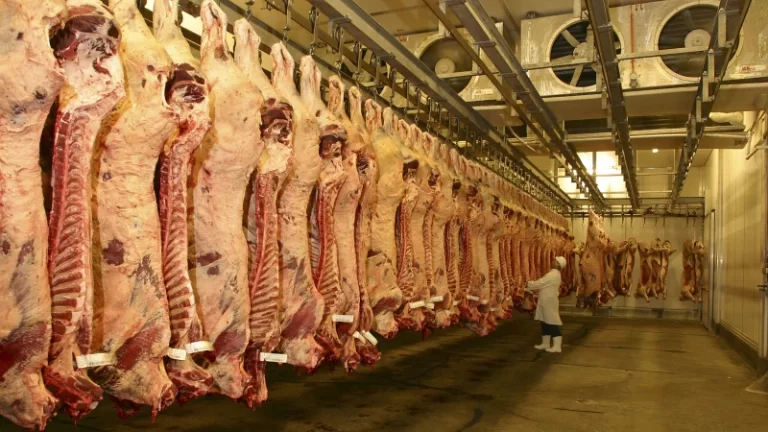
Pacific island workers employed at a Victorian abattoir are taking home little more than $9(US$6.62) an hour after hundreds of dollars are deducted from their weekly pay to cover airfares, visas, phone plans, housing and furniture rentals.

Contracts between Pacific islander meat workers and labour hire firm Regional Workforce Management Pty Ltd show some workers are left with just $310 (US$228) from their weekly pay of $753(US$554) after the deductions are made, prompting exploitation concerns.

Although some deductions stop once airfares, vaccinations and visas have been repaid over a period of four months, contracts show other charges, including $100 (US$73) a week for housing and $50 (US$36) a week for transport, continue throughout a worker’s three-year visa.

Details of the Pacific islander contracts come amid an Australian government investigation into worker exploitation in the nation’s meat industry, which has for years been heavily reliant on migrant labour supplied by recruitment and labour hire agencies.

The Australian Meat Industry Employees Union says Pacific islander workers at a Gippsland abattoir reported they had been told by management that it was “illegal” for them to request itemised copies of their phone plan or furniture rentals. The company that runs the facility did not respond to requests for comment before deadline and The Age has not been able to independently verify the claims.

Union state secretary Paul Conway said workers on the Pacific islander contracts were expected to be available to work across seven days a week and at any time during a 24-hour period.

Conway said Australian meat-processing companies had become increasingly reliant on workers from the Pacific since the emergence of the COVID-19 pandemic last year.

This was because travel restrictions to protect against the spread of coronavirus meant meat-processing companies were unable to bring in migrant workers from Asia, he said.

Under Australia’s Pacific Labour Mobility Scheme, workers from Fiji, Kiribati, Nauru, Papua New Guinea, Samoa, the Solomon Islands, Timor-Leste, Tonga, Tuvalu and Vanuatu can get visas to work in Australia for three years in industries where there are domestic labour shortages.

The scheme began in 2018 and participating employers must pay workers federal award wages. It has been promoted heavily by the Australian government as a way for Pacific islanders to access the Australian economy and send money back to their home countries.

But allegations of exploitation and mis-treatment of workers have emerged from time to time. In 2018, the National Union of Workers lodged action in the Fair Work Commission over the alleged underpayment and mistreatment of workers brought out from Vanuatu to work on Victorian farms.

Former Immigration Department deputy secretary Abul Rizvi warned there were “serious levels” of exploitation in the Pacific Labour Scheme and Australia’s seasonal worker programme largely going unreported because workers feared losing their employer sponsor and visa status if they complained.

He said the federal government’s announcement last month of a new agricultural visa scheme –which will be available to low-skilled workers and have a pathway to permanent residency – would probably “turbocharge” further exploitation.

“To date, there have been at least 22 deaths on this [Pacific or seasonal worker] visa. I suspect this is the tip of an iceberg of abuse and exploitation,” he said.

Former Australian Competition and Consumer Commission chief Allan Fels said the new agricultural visa would increase the risk of wage exploitation in Australia.

Professor Fels, who co-chaired the federal government’s Migrant Worker Taskforce, said more Fair Work Ombudsman inspectors were needed to help offset the risk of greater exploitation in the agricultural sector.

He also said the Department of Home Affairs should make an example of meat-processing companies who were doing the wrong thing by migrant workers by suspending their entitlement to access foreign labour.

Professor Fels added that it would be timely for the Morrison government to introduce national legislation to cover the labour hire industry which supplied migrant workers to a range of Australian companies and to make wage theft a criminal offence.

Both were key recommendations made in the Migrant Worker Taskforce’s 2019 report.

A spokeswoman for the Department of Foreign Affairs and Trade, which runs the Pacific scheme, said worker exploitation was not tolerated, and approved employers were subjected to regular monitoring to ensure pay and deductions were lawful.

The Pacific scheme allows employers to deduct costs such as airfares and visas from workers’ wages over four months. Ongoing deductions are also permitted for housing and transport.

Comment was also sought from Regional Workforce Management.

SOURCE: SMH/PACNEWS

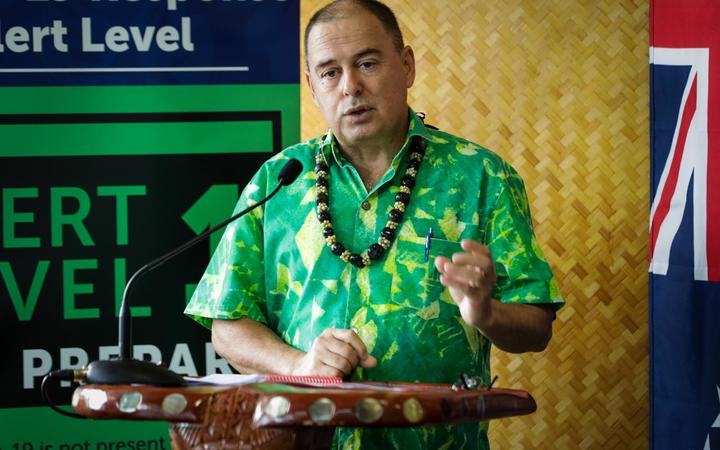
Cook Islands PM readies for COP 26 in Glasgow

The Prime Minister of the Cook Islands has called on the population to take seriously the threat from climate change.

In November Mark Brown will represent the Cook Islands at the 26th UN Climate Change Conference of the Parties (COP26) in Glasgow, where the aim is to complete the Paris Agreement, which seeks to limit global warming to 1.5 degrees Celsius, relative to the pre-industrial era.

In a statement he said the country is at the frontline of climate change.

Brown said the Cooks Islands is already experiencing increasing storm intensity, more intense rainfall, and periods of drought.

He said over the past decade the Cook Islands have experienced sea-level rise at an average of 4-6mm per year, while higher ocean temperatures are resulting in coral bleaching of the country’s reefs.

Brown said saltwater intrusion affecting taro crops on the atoll islands has been recorded and higher-than-normal tides and seas are leading to increased erosion of shorelines.

He said while the issue of climate change is underpinned by science, in the end all the action has to be at the national, island and community levels.

SOURCE: RNZ PACIFIC/PACNEWS

Feakes on Australia-Fiji travel: Borders to open ‘when it is safe’

Australia recognises the importance of reopening of travel to Fiji but borders between the two countries will only open “when it is safe to do so”, Australian ambassador John Feakes said.

He said the COVID-19 pandemic was the biggest challenge to the reopening of borders.

The Fiji Times had asked Feakes on progress of discussions around a travel bubble between Australia and Fiji after Australian Health Minister Greg Hunt announced borders would remain closed until 17 December this year.

“The COVID-19 situation continues to evolve rapidly, highlighting the importance of putting in place measures which will allow us to reopen travel safely,” he said.

“We recognise that reopening travel is essential to Fiji’s economy, and we look forward to the day we can announce the easing of travel restrictions.

“The Australian government continues to hold regular discussions with Fijian officials about how to resume travel.”

The Fiji Times asked Feakes for a response to the border issue after Prime Minister Voreqe Bainimarama said Fiji’s borders would open on 01 November this year – a statement confirmed by Health Ministry permanent secretary Dr James Fong.

In a statement issued on 03 September this year,r Hunt said its human biosecurity emergency period which had been in place since 18 March, 2020, would remain until 17 December, 2021.

He said the Australian Health Protection Principal Committee had advised that “the international and domestic COVID-19 situation continues to pose an unacceptable public health risk.”

Up until the COVID-19 pandemic closed Fiji’s borders, Australia was Fiji’s biggest tourism source market, recording about 41 percent of total arrivals in 2019.

SOURCE:FIJI TIMES/PACNEWS

Commonsensing Project builds Climate resilience for Small Island nations

By Neena Bhandari

The UK Space Agency’s International Partnership Programme (IPP) Commonsensing is led by the United Nations Institute for Training and Research (UNITAR) through its Operational Satellite Applications programme (UNOSAT), which is working with selected partners including the Commonwealth Secretariat, to improve resilience to the effects of climate change in Fiji, the Solomon Islands and Vanuatu.

Vineil Narayan, Climate Finance Specialist and Head of Climate Change and International Cooperation Division, Ministry of Economy, Fiji, talks about the use of CommonSensing data in climate change adaptation and mitigation; and its potential in accessing the much-needed climate finance.
Neena Bhandari: How easy or difficult has it been for Fiji to access climate finance?

Vineil Narayan: Climate finance is a broad term, which includes public and private sectors. For Small Island Developing States (SIDS), particularly in the Pacific, one of the key issues is to be able to attract appropriate financing for climate-centric projects and development programmes.

There’s a massive mismatch between climate finance mobilised and climate finance needs of the region. In the public sector space, it has been relatively less difficult for us to attract climate finance that’s coming through bilateral support from countries or the Green Climate Fund (GCF). But we have been struggling to attract climate finance at an appropriate scale from the private sector. It is because we’re competing against larger economies with greater returns and potential for investors.

NB: Why time is of the essence for accessing climate finance for Fiji and other Pacific Island countries, which are facing immediate impacts of climate change and are more vulnerable to its consequences?

VN: In countries such as the United States and Australia, the impacts of climate change, for example, frequency and intensity of bushfires, are only being felt now and people are recognising that climate change is actually happening. But for us in the Pacific, climate change has been a fundamental development challenge for decades. It has already stifled our development progress over a long period of time. The urgency for climate action is not new for us in the region. ‘Time is of the essence’ is something that we’ve been saying to the world for so many years.

When the Paris Agreement was being discussed, the Pacific countries particularly demanded limiting temperature target to 1.5 degrees Celsius to reduce climate impacts. We have villages blown off the map due to storms. We have communities that are disappearing due to sea-level rise. It is posing a significant threat to our low-lying atoll neighbours like Kiribati and Tuvalu. They will disappear within the next few decades if we are not able to curtail rising sea levels expedited by climate change.

Climate change is an immediate existential threat for us. It underscores the need for immediate action and for that we need to increase and expedite the mobilisation of climate finance at a significant amount for adaptation and mitigation.

NB: How are you using the Commonsensing tools for climate change relocation and disaster risk reduction and response?

VN: Information is power. When adaptation projects and programmes from SIDS go to the GCF, we are asked: What’s the adaptation rationale? It baffles me because the impacts of climate change and the need for adaptation is clearly reflected in the national development priorities, particularly those of the Pacific Island countries. So, for us to be asked to rationalise it is like a slap on the face.

To develop that climate rationale, one of the key things is to have appropriate access to data and information, which are crucial for mobilising finance. The CommonSensing Project helps us to provide that evidence-based rationale to access greater climate finance.

The Commonsensing team, working with United Nations Institute for Training and Research (UNITAR), has been instrumental in helping to map out both disaster response measures and needs. For example, mapping out what would be the level of disaster impact based on the trajectory of a cyclone – number of households in that area, population, number of bridges, water facilities and other infrastructure information, as well as identifying what’s the level of damage and coverage that would be needed for disaster risk reduction and response. This is something that the CommonSensing Project has actually helped the National Disaster Management Office with, doing post-disaster mapping of areas impacted by three major cyclones that have hit Fiji over the past 14 months.

With regards to relocation, it is important that when you relocate a community from point A to B, you are able to take into account the geospatial dynamics and hazards. In the past, a relocation happened where a coastal community was moved, but torrential rainfall and limited geospatial knowledge of that area resulted in landslides.

The Commonsensing Project helps us to better understand, for example, the safe elevation level of a particular area where we want to relocate a community; how far away it is from the school, the electricity grid, the road? This geospatial information and hazard mapping is very powerful for us to be able to make informed policy decisions on whether and how to relocate a community.

In addition to that, the Fijian Government has developed the Planned Relocation Guidelines, which helps government agencies better understand what roles and responsibilities they have when it comes to relocating a community. We need to consider not only the infrastructure movement but also socio-economic livelihood transition and customary obligations to ensure that the community being relocated is accepted by the community, where they are being relocated.

We are also developing a standard operating procedure – a step-by-step process of how a community will be relocated. As part of the standard operating procedures, one of the fundamental things is to do a Climate Vulnerability Assessment of a particular community. And within that risk assessment, one of the key steps is to use CommonSensing data to be able to ascertain whether that community or that area in which the community is from, is actually facing geospatial hazards.

The geospatial Commonsensing data helps to identify whether sea-level rise would be an issue; what would be the appropriate vegetation around a particular area so we are able to better understand what would be the livelihoods of that community. For example, if we move a coastal community, which is dependent on fishing, inland then there will be a need for capacity building and livelihood assistance for them to transition from being a fishing community to an agricultural community.

This robust Commonsensing data helps in informed decision making when it comes to relocation work and post-disaster needs assessments.

NB: What is the potential of this satellite-based Earth Observation data for accessing climate finance?

VN: Currently, we are not using this data to access climate finance, but that is our ultimate aim. We would like to weave this information into our future climate finance applications to make them bankable. We’re not only working on doing that, but as part of the CommonSensing Project, we are also receiving support from the Commonwealth Climate Finance Access Hub.

For four weeks, we’re currently getting together 19 teams of stakeholders in workshops to develop project proposals by using Commonsensing data. These project proposals will feed into the project pipeline for the Fijian Government that we want to submit to the GCF for funding.

SOURCE: IPS/PACNEWS

Pacific Ministers reaffirm commitment to tackling environmental issues impacting the Pacific region

0

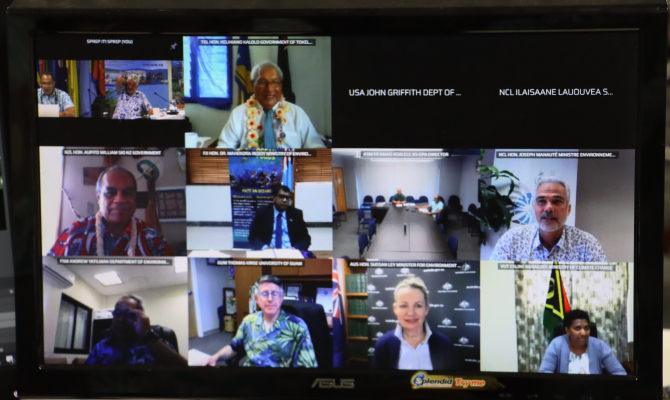
Ministers from around the Pacific Friday gathered virtually to participate in a ‘Talanoa’ to discuss some of the pertinent key priority issues bearing direct impact on responsive and pragmatic actions for a resilient Blue Pacific.

The talanoa was conducted through three focus panels with Ocean being the overarching theme – Ocean and Climate Change, Ocean and Pollution, and Ocean and Deep-Sea Mining.

The Ministers reaffirmed that the Pacific Ocean is the lifeblood of society in the Pacific, providing cultural and historical identity since time immemorial and uniting the Pacific islands in common purpose. They also noted the alarming, unprecedented severity and frequency of threats to the Pacific Ocean from climate change and other anthropogenic stressors.

Ministers reaffirmed their commitment to the 2050 Strategy for the Blue Pacific Continent, recognising that a resilient Blue Pacific is necessary to meet the extraordinary and unabating challenges of modern times.

In his keynote address, the Ulu o Tokelau, Faipule Kelihiano Kalolo, Chair of the Environment Ministers High-Level Talanoa, stated that the prioritisation of ocean and climate change considerations into national and regional policies in alignment with the 2050 Strategy for the Blue Pacific Continent is recognition of the critical need to protect Pacific peoples and their livelihoods, preserve biodiversity, support sustainable development and the key role that the ocean plays in combating climate change.

“The overwhelming scientific evident prioritises ocean as the ultimate regulator of climate through the water cycle and oceanic circulation,” Kalolo said.

“This is underscored in the Pacific Leaders’ advocacy work of the ‘Blue Pacific Narrative’ and the ‘Blue Continent’, recognising the reliance of Pacific nations and cultures on the sustained resilience of ecosystem services provided by the Pacific Ocean and reaffirming the Pacific’s global leadership on oceans.”

Ministers reaffirmed that climate change is the single greatest threat facing the Blue Pacific, and encouraged all Parties to the United Nations Framework Convention on Climate Change (UNFCCC) to ensure that the 26th Conference of the Parties which will be held in October this year recognises and advances the work on Oceans in the UNFCCC, recognising its centrality to the Blue Pacific Continent.

Marine pollution, including plastics, nuclear waste, radioactive, vessel spills, and others was also high on the agenda at the Ministers’ Talanoa. The Ministers noted that marine pollution produces negative impacts on food security, human health, biodiversity, livelihoods and culture. Entire ecosystems and species are placed at risk as well as the people whose livelihoods and economic development that depend on them.

The Ministers affirmed that as the Blue Pacific, they are implementing the Pacific Marine Litter Action Plan 2018-2025, but recognised that the interconnectivity of the world’s oceans means that marine pollution as a transboundary problem requires the coordinated, collective, and effective involvement of all countries.

They urge Pacific rim countries and flag states to expeditiously implement relevant measures to prevent and effectively manage marine pollution and marine litter in accordance with international law.

The issue of Deep-Sea Mining was discussed at the last Ministerial talanoa in 2019, and the Ulu noted that since then, there has been a significant shift towards seabed mining for economic reasons.

Ministers acknowledged that in accordance with international law as reflected in the United Nations Convention on the Law of the Sea (UNCLOS), countries have the sovereign right to develop the mineral resources of their continental shelf, territorial sea and exclusive economic zone according to national priorities.

However, they also acknowledged that countries have responsibilities under UNCLOS regarding the exploitation of resources, noting the Rio Principles and further acknowledging that countries should protect and preserve the marine environment.

They recognised that while deep-sea minerals offer potentially significant economic benefits, the ecology of the deep-sea environment and deep sea mining’s adverse effects are poorly understood, and recognised the importance of cooperation between Members and Council of Regional Organisations of the Pacific (CROP) agencies and the need to develop expertise within the region to provide scientific expert advice with respect to seabed mining, deep-sea ecology and oceanography.

The Ministers concluded by expressing their gratitude and appreciated to the Secretariat for organising a successful Talanoa and SPREP Meeting of Officials held earlier in the week.

They also congratulated the outgoing Director General of SPREP, Kosi Latu, on his excellent leadership of the organisation for the past six years, and wished him well for life after SPREP.

The 30th SPREP Meeting Ministerial High-Level Talanoa was attended by American Samoa, Australia, Cook Islands, Federated States of Micronesia, Fiji, France, French Polynesia, Guam, Kiribati, Marshall Islands, Nauru, New Caledonia, New Zealand, Niue, Northern Mariana Islands, Palau, , Samoa, Solomon Islands, Tonga, Tokelau, Tuvalu, United Kingdom, United States of America, Vanuatu, and Wallis and Futuna.

The 30th SPREP Meeting of Officials is being held virtually for participants from around the Pacific and face-to-face for participants in Samoa.

The Meeting brings together SPREP’s 21 Pacific Island Member countries and 5 Metropolitan Members to discuss strategic issues pertaining to the organisation, and to approve the 2022-2023 work plan. The Environment Ministers’ High-Level Talanoa will be held on Friday 10 September 2021.

The 21 Pacific Island Member countries and territories of SPREP are: American Samoa, Northern Mariana Islands, Cook Islands, Federated States of Micronesia, Fiji, French Polynesia, Guam, Kiribati, Marshall Islands, Nauru, New Caledonia, Niue, Palau, Papua New Guinea, Samoa, Solomon Islands, Tokelau, Tonga, Vanuatu and Wallis and Futuna.

The five Metropolitan members of SPREP are: Australia, France, New Zealand, United Kingdom and the United States of America.

The 30th SPREP Meeting of Officials follows on from the Second Executive Board Meeting which was held in 2020.

SOURCE: SPREP/PACNEWS

Vanuatu launches innovative communication tools to tackle misinformation on COVID-19 vaccines

‘Protektem yu, famili, komuniti mo fiuja blong Vanuatu’ is a familiar jingle resounding through households in Vanuatu on TV and radio as well as emphasised through the new COVID-19 vaccine communication products launched on 07 September.

The Vanuatu Ministry of Health, together with UNICEF and Wan Smolbag Theatre group and with funding support from the Asian Development Bank (ADB), launched a comic book and videos on the COVID-19 vaccines during a meeting that brought together all provincial health teams.

Within three months since the vaccination drive began, Vanuatu has reached over 50 percent of the eligible population with the first dose of the COVID-19 vaccine and 18 per cent of the eligible population with two doses in the Shefa province. About 92 percent of healthcare workers in Shefa province have received the first vaccine dose and Sanma province has also recently launched the vaccination campaign on 25 August. However, with an urgent need to scale up the vaccination rollout to reach the remaining provinces, this communication campaign will assist in communicating with communities on the importance of vaccination.

Director General of Vanuatu’s Ministry of Health, Russel Tamata, stated, “I am pleased to announce the launch of these tools to continue providing information to communities on the COVID-19 vaccine. Partnerships and products like these are important to dispel myths circulating in our communities and increase uptake of the vaccine.”

It is now more important than ever, as Vanuatu continues in the fight against the COVID-19 pandemic, to ensure up-to-date information is available to communities throughout the country. The newly launched tools will support community engagement activities to educate people on the benefits of the COVID-19 vaccines.

“Engaging with communities to explain the benefits of the COVID-19 vaccines and why they should take the vaccine is vital,” stated UNICEF Pacific’s Chief of the Vanuatu Field Office, Eric Durpaire. “It’s important to listen to communities and respond to concerns and questions. These tools will be an additional resource that the provincial teams can use to engage with communities.”

Through the Vanuatu Ministry of Health and UNICEF partnership with Wan Smolbag Theatre, over 10,000 people so far were reached with key COVID-19 messaging on Efate and Santo Islands. Twenty-three workshops completed on Santo have also involved almost 800 key influential leaders.

“It was good to spend time in communities and answer questions about people’s fears and worries regarding the vaccine,” said the Community Facilitator at Wan Smolbag Theatre, Danny Marcel. “Often someone from the community would use the workshop to tell others to get vaccinated. Because we’d had the vaccine, it was easy to show that it doesn’t give you the mark of the beast! We could talk about side effects and say they do occasionally happen but it’s far safer to get the vaccine than COVID-19.”

The comic books and videos will be used by provincial teams to engage with communities on the COVID-19 vaccine prior to vaccine rollout in the remaining four provinces.

While information saves lives, even more important is two-way communication that leads to individuals and communities being empowered to act. Everyone must play their part to educate people on the benefits of the COVID-19 vaccines and spread the message about ‘Protektem yu, famili, komuniti mo fiuja blong Vanuatu’.

SOURCE: UNICEF PACIFIC/PACNEWS

No promise made to Bougainville: PM Marape

Papua New Guinea Prime Minister James Marape says the Government has not made any commitment to the Autonomous Bougainville Government (ABG) that independence will be the final outcome.

He said this when presenting an update of the Bougainville Peace Process to Parliament.

But this is in contrast to comments and commitments made by Marape and his Government at the consultations in Kokopo in May and then joint consultation body meeting in Wabag in July.

In those meetings between representatives of both governments, an undertaking for Bougainville attaining independence had been put at 2025 by ABG President Ishmael Toroama with Marape’s Government maintaining that independence could be achieved “no earlier than 2025 and no later than 2030”.

“Neither I, nor the Government, have the lawful authority to make any such commitment, the final decision-making authority is vested in the Parliament, and only this House may determine what the final outcome will be,” Marape said.

“The ABG has proposed a range of activities and actions as part of the proposed joint roadmap. Many of these cannot lawfully occur until such time as the Parliament has made a final decision.”

Marape said he asked that all necessary resources be made available to map and support the legal process going forward.

“This will involve key agencies which include the Department of Justice and Attorney-General, the Office of the State Solicitor and the Constitutional Law Reform Commission working to provide practical advice and guidance to support consultations going forward,” he said.

SOURCE: THE NATIONAL/PACNEWS

Stay connected

529FansLike
172FollowersFollow
156SubscribersSubscribe
- Advertisement -