

Pacific leadership requires meaningful youth influences and the resources, skills and scientific evidence needed to shape regional and international climate decisions.
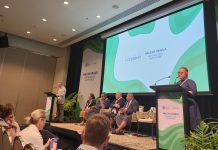
This was the resounding message at a side event focused on Pacific-led science and youth for climate action Pacific at the Vale ni Vanua – Knowledge Exchange Pre-COP31 in Nadi Fiji.
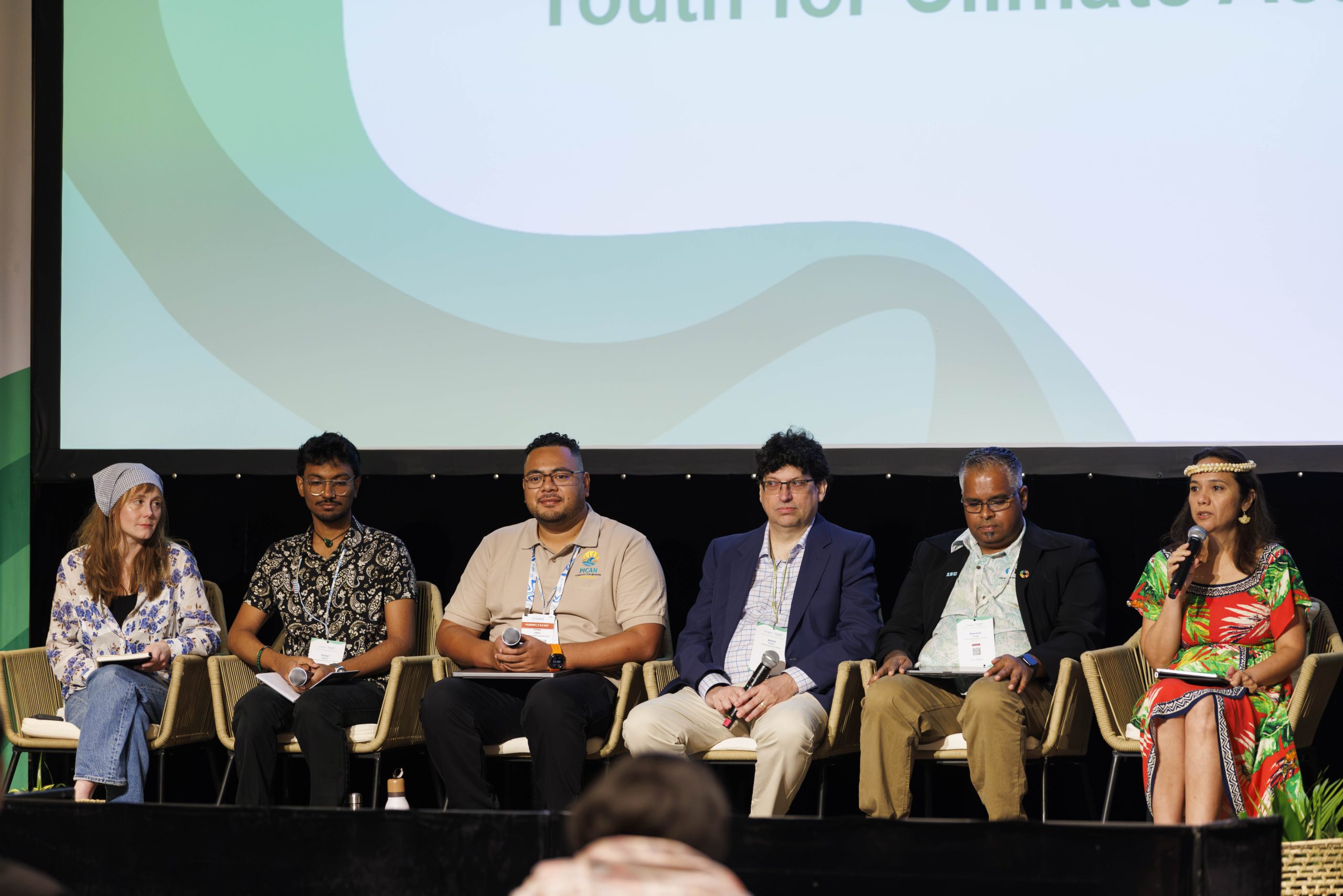
Organised by the University of the South Pacific(USP), panellists highlight three interconnected priorities, strengthening youth leadership in climate action, advancing Pacific-led research through better resourcing and data, and sustained support for research that can inform regional and international decisions.
The event was moderated by Secretariat of the Pacific Regional Environment Programme (SPREP) Climate Change Resilience Director, Tagaloa Cooper, and panellists included Imogen Butler, Branch Manager, The Climate Reality Project Australia & Pacific, Ozayr Akbar, Climate Diplomacy Officer, Pacific Islands Students Fighting Climate Change, Dr Awnesh Singh Associate Professor, USP, Professor Jason Evans, Researcher, University of New South Wales / WCRP CORDEX and GEWEX and Mr. Rufino Varea, Director, Pacific Islands Climate Action Network.
Pacific Climate EnvoyTina Stege set the scene for the event, spotlighting the strength of Pacific generated research and youth participation in climate action.
“Young people understand the urgency of the climate crisis and the opportunity they have to shape solutions. Pacific youth and youth leadership around the world have strengthened climate advocacy, research and innovation.
“There are a lot of challenges for scientists in our region, there is not enough funding, there are context specific challenges, transport and the weather, and despite that, we have excellent science coming out of our region on what a changing climate means and how that impacts the lives of our people.”
“We must invest in our youth for long-term resilience, by building the next generation of scientists, researchers, negotiators, policymakers who are essential to sustaining climate action beyond a single COP.”
Dr Awnesh Singh, Associate Professor of Climate Science at the Centre for Sustainable Futures at the USP echoed this sentiment.
He said the Pacific needs sustained investment in people. Training should be linked to real institutional tasks, supported by mentoring and opportunities to continue applying the skills. Institutions also need funded research time and career pathway so that expertise can develop and remain in the region.
“Pacific voices need sustained Pacific scientific capability behind them. We need investment that enables our institutions and young people to generate, interpret, and apply evidence over the long term”, Singh emphasised.
In closing, Tagaloa Cooper urged collaboration and capacity development between Pacific youth, civil society, academia and development partners.
“Science is the foundation of our work. In the Pacific region, we have the science and the scientists. What is required is the funding and the resourcing support to generate that science and ensure that it continues.”
She reaffirmed SPREP’s commitment to building the next generation of Pacific leaders through capacity building and resourcing support.
The Pacific-led Science, Data and Youth for Climate Action side event was held on 6 October 2026, at the Vale ni Vanua – Knowledge Exchange Pre-COP31 in Nadi, Fiji.