
Indonesia has protested after West Papua was raised during a United Nations Fourth Committee hearing on New Caledonia, calling for the remarks to be ruled out of order and removed from the official record.
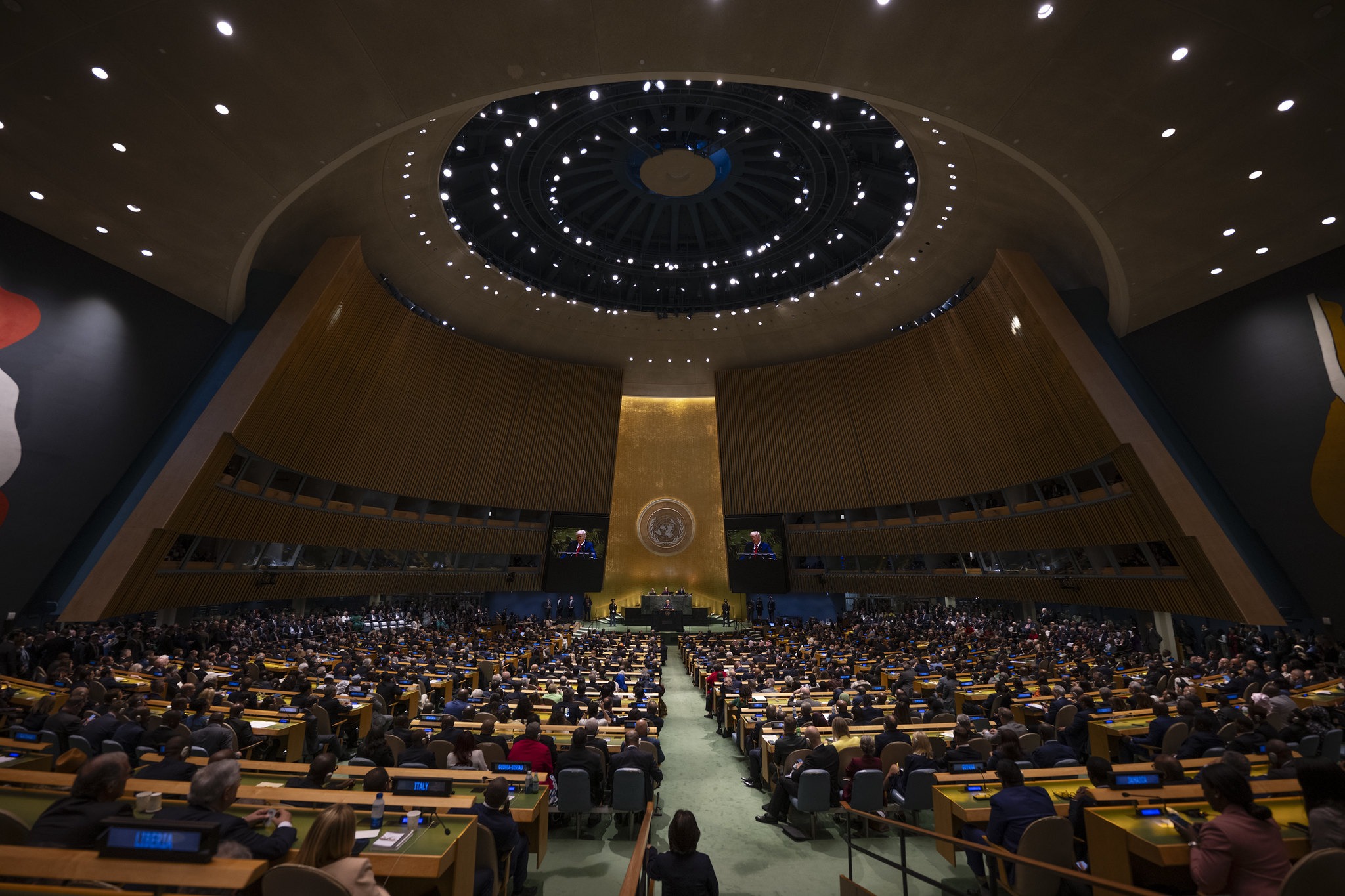
The issue arose during the 81st UN General Assembly Fourth Committee meeting on Special Political and Decolonisation, when petitioner Roland Arnold was addressing the committee on the question of Kanaky New Caledonia.
Arnold called for the Kanak people to be given the opportunity to freely determine their political future and referred to a study on decolonisation in the Pacific by the UN Permanent Forum on Indigenous Issues.
He then extended his remarks to West Papua, arguing that there were grounds for its reinstatement on the UN list of non-self-governing territories.
“According to the study, there are clear grounds for the General Assembly to support reinstatement of West Papua on the United Nations list of decolonization,” Arnold told the committee.
He said West Papua had met criteria under UN General Assembly Resolution 1541 and that the right to self-determination was also articulated in the UN Declaration on the Rights of Indigenous Peoples.
Indonesia immediately intervened, asking the chair to stop the statement and rule the West Papua remarks outside the scope of the hearing.
“Chair, my delegation would like to make a point of order,” the Indonesian representative said.
“The petitioner is being heard under the question of New Caledonia. His remarks concerning West Papua relate to a matter that is not before the committee under this agenda item and falls outside the scope of this hearing.”
Indonesia said Papua was an integral part of the Republic of Indonesia and was not among the non-self-governing territories currently under consideration by the committee.
“The opportunity accorded to a petitioner does not provide a basis to introduce matters unrelated to the territory under consideration,” Indonesia said.
The Indonesian delegation requested that the chair direct Arnold to confine his intervention to New Caledonia.
“We therefore respectfully request you, Chair, to rule such remarks out of order and to direct the petitioner to confine his intervention to the questions of New Caledonia,” the representative said.
Indonesia also asked the committee to disregard the West Papua remarks and have them omitted from the official record.
“Therefore,Chair, my delegation requests that the Fourth Committee disregard the statement by this petitioner and that his statement be omitted from the official record of this meeting,” Indonesia said.
The chair subsequently reminded petitioners that they were required to focus on the territories listed under the relevant agenda item.
The exchange occurred as the Fourth Committee considered the political status and decolonisation of New Caledonia, one of the Pacific territories on the UN list of non-self-governing territories.
The hearing featured sharply differing views on New Caledonia’s future, with pro-independence petitioners calling for stronger UN action on self-determination, while other petitioners argued that New Caledonians had chosen to remain part of France.
Pacific governments, including members of the Melanesian Spearhead Group and Papua New Guinea, separately reaffirmed support for New Caledonia’s right to self-determination and called for a UN visiting mission to assess the situation in the territory.
The West Papua issue has previously featured in broader Pacific decolonisation discussions, but Indonesia has consistently rejected calls to treat the territory as a non-self-governing territory and maintains that Papua is an integral part of Indonesia.
The Fourth Committee continued its consideration of New Caledonia following the exchange.