

Nei Tikaeita comes from the bustling village of Rawannawi on the island of Marakei in Kiribati.
For more than sixty years, she has walked the coastlines of Rawannawi. She knows the tides not by scientific instruments but from learning the patterns of coastal rhythms and an intimate knowledge of harvesting local plants to determine times and seasons.
She is the keeper of her family, composer of songs that keep lineage and customs, she is the custodian of land where her ancestors rest beneath traditional coral stones.
As a result of extreme weather events, exacerbated by climate change, extraordinary king tides are pushing past the outer reef, breaching the village, carving away the roads, saturating the freshwater lens with saltwater and flooding the grove.
When the waters recede, she stands beside the gravel ridge, the bones of her family members gathered and tied in a sarong, looking at their submerged babai (swamp taro) pit, the same babai pit that sustained her family for generations. The graves of her ancestors are exposed to the surf.
“Who helps to restore the peace of our ancestors’ resting place?” she asks. “Who counts the songs our girls will no longer sing because the garden where we harvested the fibres is dead? What is the cost and what is the price of our troubled hearts?”
Tikaeita’s ordeal is a familiar one for Pacific countries.
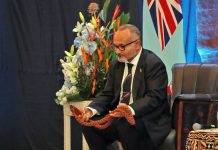
But Kiribati’s Minister for Women, Youth, Sport and Socials Affairs, Ruth Cross Kwansing, spotlighted her story to an international audience to highlight the grim reality of Non-Economic Loss and Damage (NELD) caused by climate change.
“When the multilateral climate machinery discusses Loss and Damage, it speaks almost exclusively in the balance sheet dialect of tangible assets: damaged infrastructure, shoreline retreat, and lost GDP,” said Hon. Kwansing.
“Yet for an atoll people whose land rises barely two metres above tide, our deepest injuries cannot be reconciled on an accountant’s spreadsheet. How do you assign an economic price tag to cultural sovereignty?
“What is the monetary equivalent of the mental distress and grief caused by a young person who wonders if the sovereign soil of their ancestors will remain above the water to anchor their own identity?”
Historically, loss and damage assessments have concentrated on economic tangible impacts caused by disasters such as infrastructure damage or agricultural losses.
But for Pacific communities, the consequences of climate change go far beyond the economic damages. Non-economic losses and damages (NELD) can be some of the most devastating with profound cultural and psychological effects that defy monetary valuation.
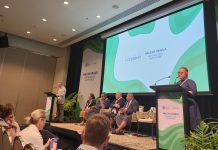
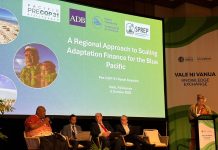
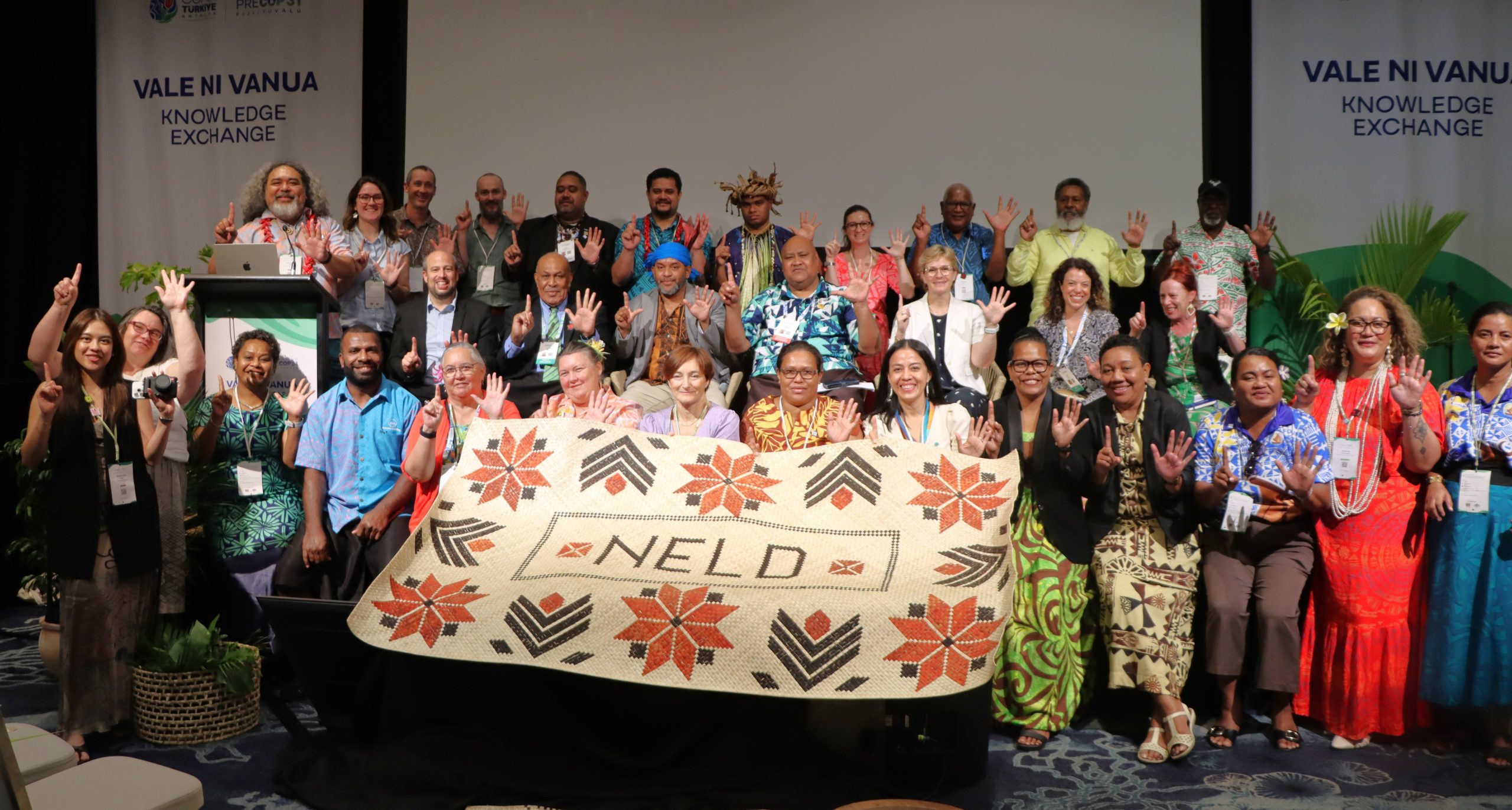
On the margins of pre-COP in Fiji, the Yarning for Resilient: Amplifying solutions for Non-Economic Loss and Damage in Oceania side event on Tuesday provoked emotions and asked the question of what happens when climate change takes what money can’t measure? Hon. Kwansing, who is also the Pacific’s Political Champion for Gender Equality and Social Inclusion, said Tikaieta’s story must not be reduced to anecdote.
“It should be a catalyst for reform,” said the Minister. “The Global Loss and Damage Fund must create distinct, direct financing mechanisms for non economic loss evaluated through community determined metrics rather than strictly macroeconomic appraisals.
“Access must reach the grassroots, empowering women’s associations, youth networks, traditional leader to preserve intangible cultural heritage, restored community health and build localised resilience.”
The Yarning for Resilient: Amplifying solutions for Non-Economic Loss and Damage in Oceania side event also featured Sefanaia Nawadra, Director General SPREP who said unpacking non-economic loss and damage requires communication and engagement with communities. For this reason, SPREP through two projects, the NZ MFAT funded Loss and Damage Capacity and Capability project, as well as Building Our Loss and Damage (BOLD) Response project, initiated dialogues at the regional, national, state and outer island levels for Pacific countries.
“The Dialogues are a starting point- the first stepping stone to addressing loss and damage,” he said.
“Over the next few months SPREP will be supporting our Pacific negotiators and champions throughout the COP negotiation process and we will continue to push our message of keeping 1.5 degrees in reach.
“The science is clear. Losses and Damages are inevitable. But we will keep pushing for every inch of action we can get. Every increment of a degree that we prevent from rising is a huge win for our countries, our communities and our families.”
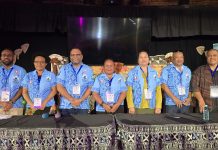
Other speakers included Tessa Kelly, International Federation of Red Cross and Red Crescent Societies (IFRC), Zali Steggall, Federal Member for Warringah, Gabrielle Emery, UNDRR Pacific Subregional Office, Damian Morgan-Bulled, NESP Climate Systems Hub, CSIRO, Asiata Gerard Tuii Anapu, University of Melbourne.