
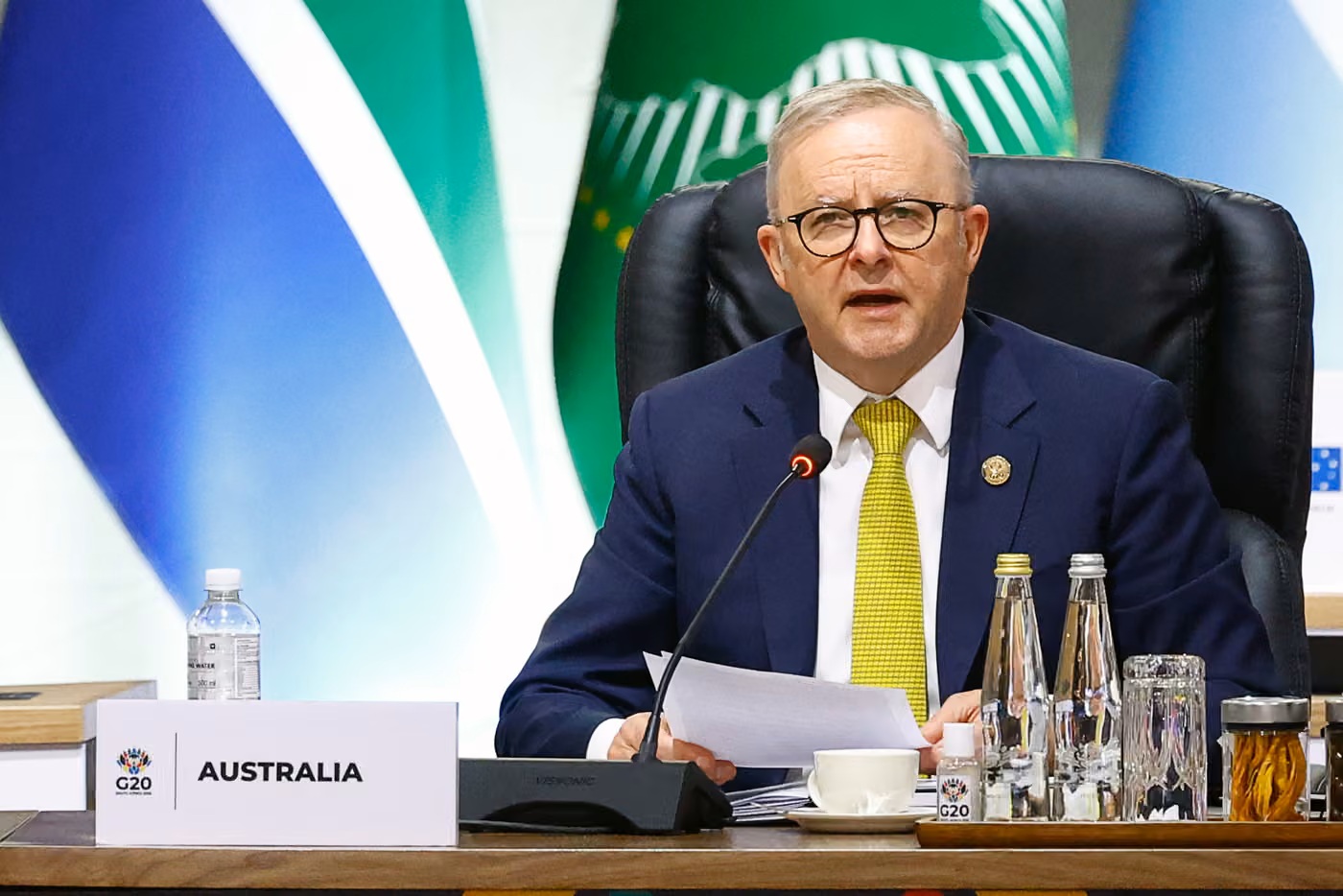
Australia has been urged to use its role as President of Negotiations at Pre-COP31 to push wealthy countries to close the shortfall in international climate finance and make major polluters contribute more to climate action.
The call has come from the Make Big Polluters Pay Alliance as Pre-COP31 gets underway in Fiji.
The alliance said climate-vulnerable countries were facing billions of dollars in losses from climate disasters despite international climate funds established under the UN Framework Convention on Climate Change remaining underfunded.
It cited estimates that Pacific countries have faced average annual climate disaster costs of AUD$1.3 billion(US$900 million) over the past decade, equivalent to 14.3 percent of their combined GDP.
The alliance also pointed to the recovery cost of flooding in Nepal, estimated at about US$5 billion, or 10 percent of the country’s GDP.
At the same time, it said fossil fuel companies continued to generate substantial revenues while contributing relatively little in corporate tax.
The alliance said Australian fossil fuel companies reported AUD$436 billion(US$303 billion) in income in 2023-24 while contributing about five percent of corporate income tax.
Julie-Anne Richards, Campaign Strategic Lead of the Make Big Polluters Pay Alliance, said Pre-COP31 was an opportunity for Australia to demonstrate leadership on climate finance.
“Leading negotiations at the world’s biggest climate conference is a once-in-a-generation opportunity for Australia to show real leadership, by rallying countries to fill global climate funds and hold big polluting corporations to account for their climate damages,” Richards said.
She called on Australia to announce a stronger climate finance commitment and introduce a Climate Pollution Levy on coal and gas companies to help finance disaster recovery and adaptation.
Harjeet Singh, Global Convenor of the Fill the Fund campaign, said climate-vulnerable communities were bearing the costs of a crisis they had contributed little to creating.
“It is a stain on the world’s conscience that coal, oil and gas corporations make billions in profits while funds established to protect vulnerable communities are left desperately short,” Singh said.
He called on Australia and other wealthy countries to increase climate finance and make major polluters contribute to the costs of climate impacts.
Oxfam Australia Policy and Advocacy Lead Josie Lee said climate finance would be a key test of Australia’s leadership ahead of COP31.
She called on Australia to commit AUD$11 billion(US$7.64 million) in climate finance between 2025 and 2030, including dedicated funding for developing countries to prepare for, adapt to and recover from climate impacts.
Lee also backed the introduction of a Climate Pollution Levy, saying some fossil fuel companies were paying little or no company tax while generating significant profits.
Oxfam in the Pacific Executive Director Eunice Wotene said Pacific communities already had the knowledge and solutions needed to build climate resilience but lacked the resources to implement them.
“This is not charity; it is climate justice.
“We need wealthy countries to listen, act and deliver,” Wotene said.
ActionAid Australia Deputy Head of Policy and Campaigns Sophie Hardefeldt also called for Australia to commit AUD11 billion(US$7.64 million)in international climate finance over the next five years.
She said the costs of climate impacts were increasingly being borne by local communities, including women and communities on the climate frontlines.
The alliance is calling on Australia to use Pre-COP31 and the lead-up to COP31 to secure new climate finance commitments from wealthy countries and advance proposals for climate pollution levies on major fossil fuel producers.