By Pita Ligaiula in Savusavu
Pacific governments need to strengthen proceeds-of-crime laws, identify the real owners behind companies and share financial intelligence across borders to disrupt the money flows sustaining organised crime, the UN Office on Drugs and Crime (UNODC) says.
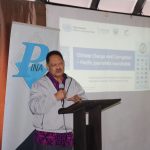
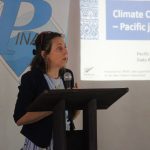
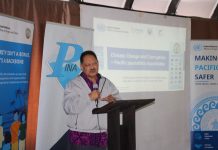
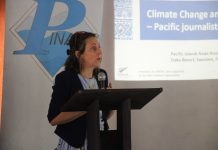
UNODC Pacific Regional Anti-Corruption Adviser Marie Pegie Cauchois told PACNEWS at the Pre-Pacific Media Summit workshop on Climate Change and Corruption in Savusavu that governments must focus not only on drug seizures but on the profits generated by criminal networks.
She said the scale of drug trafficking through the Pacific was difficult to determine, but the size of some seizures and wider regional trends showed the growing challenge.
“We don’t have the figures. We don’t know how much drugs are going through. New Zealand doesn’t know, Australia doesn’t know.
“But what we know is that the proceeds of crime are a little bit, and that’s where it’s important for all the entities in the region to be working together,” Cauchois said.
Cauchois highlighted wastewater data in Australia as one indication of the scale of the problem, saying cocaine detected in wastewater had increased by 98 percent over the previous year.
She said Pacific governments needed to use proceeds-of-crime legislation to seize assets linked to criminal activity and make the region less attractive to organised crime.
That includes strengthening the capacity to confiscate criminal proceeds and identifying who is behind companies and financial transactions.
“It’s important for all the entities in the region to be working together to consolidate their legislation, the Proceeds of Crime Act, capacity to seize, capacity to make the places really less attractive to do business,” she said.
Cauchois said access to information on beneficial ownership was critical to identifying the people behind companies used by criminal networks.
“Who are the real owners behind the companies that are set up in the region, but also in Australia?” she said.
She said authorities also needed better information about where criminal money was moving.
“Information on where’s the money moving? And that’s where it’s important,” Cauchois said.
She called for closer cooperation between transnational crime units, customs authorities and other agencies so intelligence can be shared and used to identify where criminal proceeds are being channelled.
“If I’m working with transnational organised crime units, I’ve been working with customs, that all this information is shared,” she said.
Cauchois said Pacific countries could not tackle organised crime and its financial networks alone.
She said cooperation also needed to extend beyond the Pacific to countries including Colombia, Mexico and countries in Southeast Asia.
“It cannot be done only by the region.
“It has to be done with groups in other places, like Colombia, Mexico, Southeast Asia, that really need to reduce the attractiveness of this region for organised crime,” she said.
Cauchois said disrupting criminal profits would require governments to combine legislation, financial intelligence, asset seizure powers and international cooperation rather than focusing only on the movement of drugs.
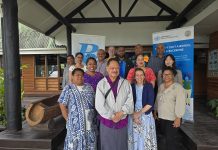
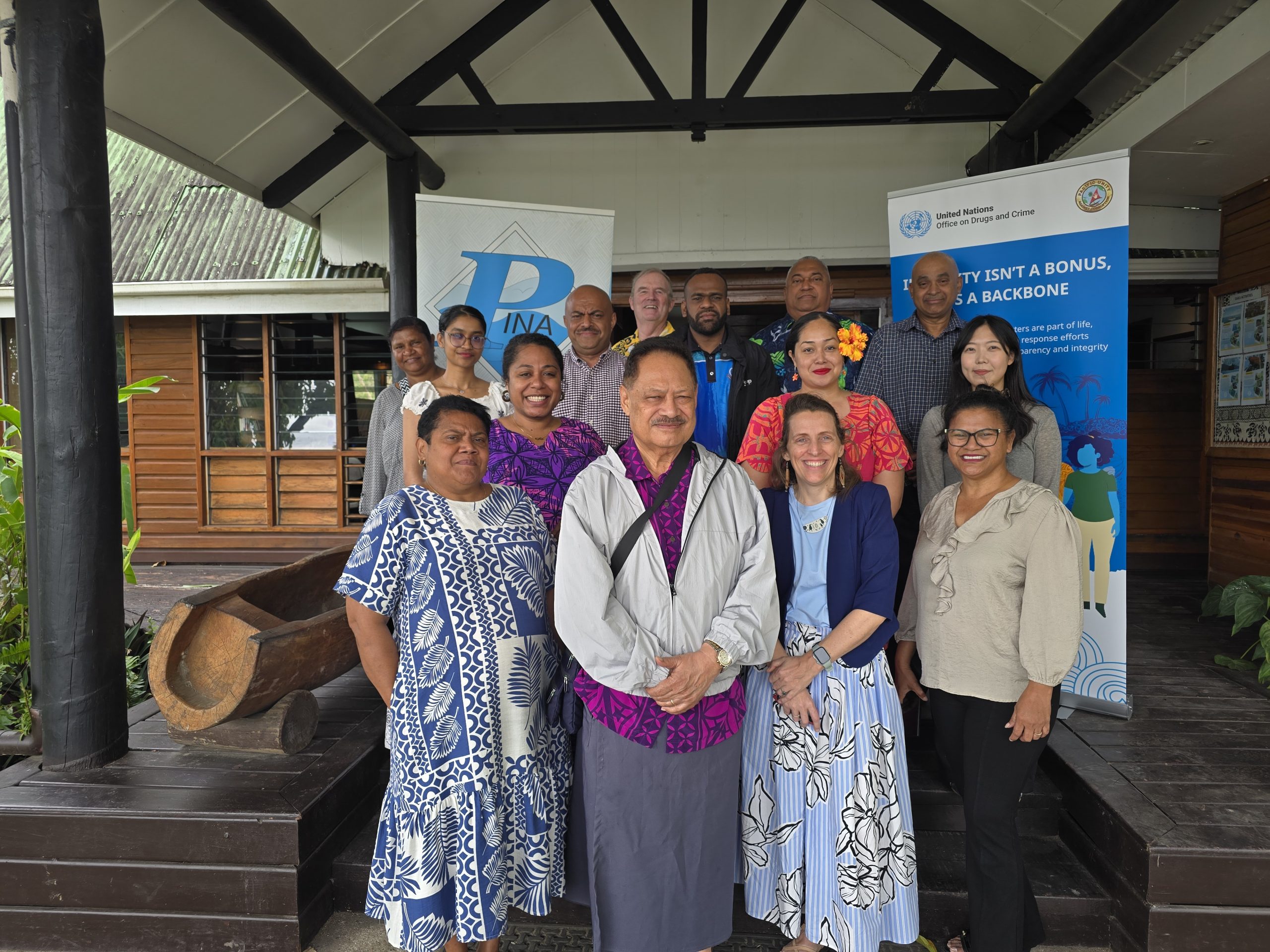
The Pre-Pacific Media Summit workshop on Climate Change and Corruption in Savusavu, brought together Pacific journalists to examine corruption, organised crime, climate finance and accountability.