By Pita Ligaiula in Koror, Palau
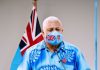
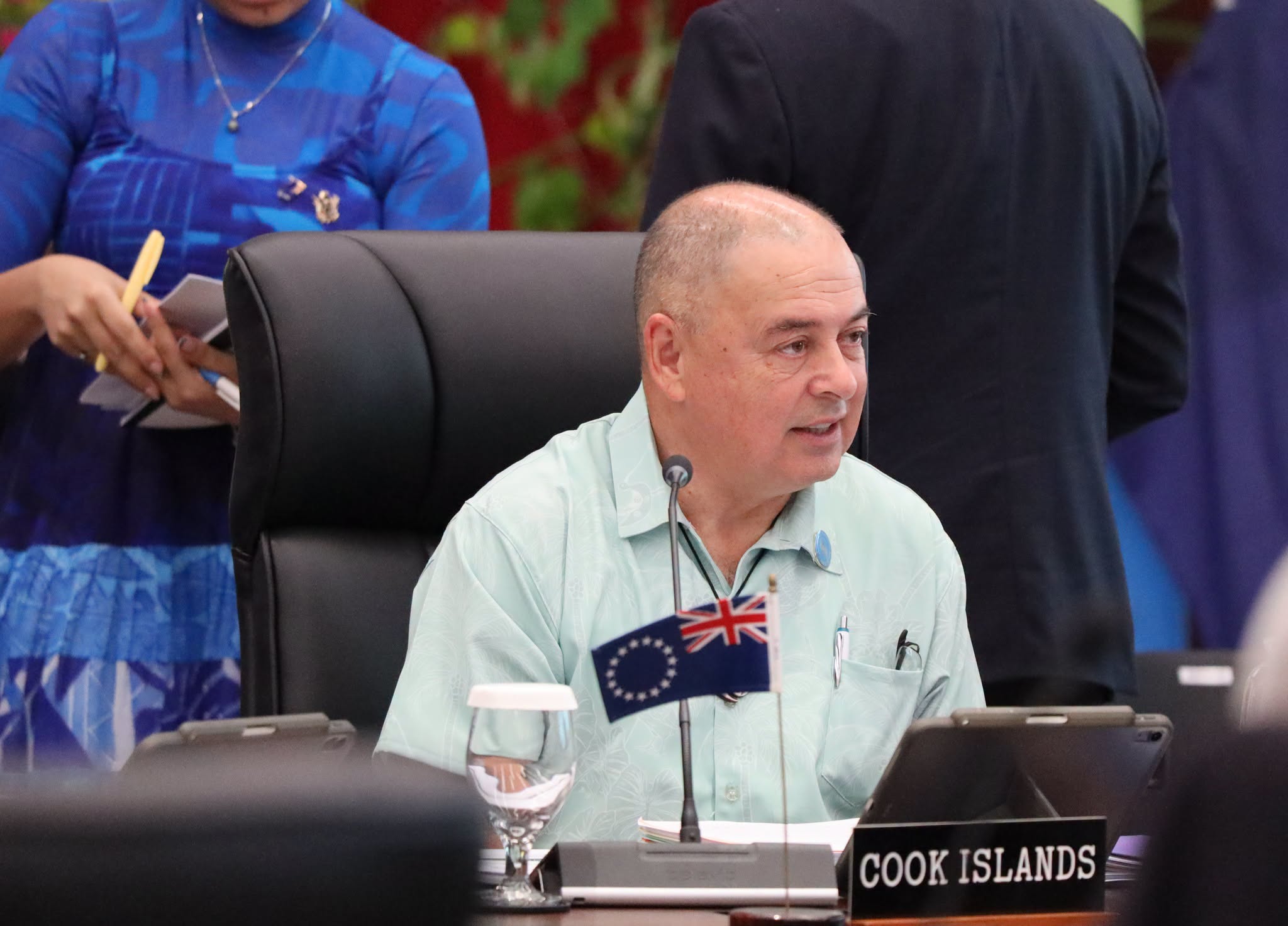
Cook Islands Prime Minister Mark Brown has called on development partners, philanthropies and institutional investors to back the Pacific Resilience Facility (PRF), saying the region’s new financial institution has moved from an idea discussed by Pacific finance ministers to funding projects in communities.
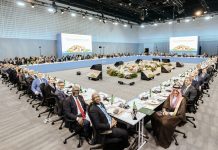
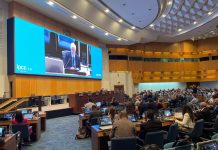
Speaking at a PRF side event on the margins of the Pacific Islands Forum Leaders Meeting in Koror, Brown said the next stage was to ensure money reaches communities facing the growing impacts of climate change.
“It’s pretty rare in public life to watch an idea travel from a conversation around a table to a full-blown agenda item at the leaders’ meeting, to a treaty being signed to money being pledged.
“Now what we really look forward to is money moving into the hands of communities that need it most,” Brown said.
Brown said he had been involved in discussions on the facility from the beginning, when Pacific finance ministers identified adaptation and resilience as the region’s central climate challenge.
Brown recalled discussions more than a decade ago involving Pacific finance ministers, including representatives from Samoa and Tonga, on the need for a regional financing mechanism focused specifically on resilience.
“The real challenge facing Pacific communities, Pacific islands, was not the mitigation efforts to reduce carbon emissions.
“It was the fact that we were being hit by the impacts of climate change and the focus for Pacific countries has to be on adaptation and building resilience” he said.
He highlighted the economic case for investing before disasters strike.
“The World Bank tells us that for every dollar we spend on resilience, we save $8 on rebuilding and recovery,” Brown said.
That discussion eventually developed into the proposal for a financing facility designed, owned and managed by the Pacific and focused on the needs of Pacific communities.
Brown said Pacific countries had faced continuing difficulties accessing international climate finance.
“We’ve seen the challenges of accessing climate financing over the years, and it was very difficult,” he said.
Pacific countries were competing for funding with larger regions facing their own climate challenges, while the Pacific’s smaller populations and project sizes often made it harder to compete, he said.
“The Pacific’s demands, though urgent, were at a much smaller scale due to our size, but no less important.”
Brown said the PRF was created to fill a gap in the international financial system.
“The big global funds are important, as I said, but they’re slow, they’re complex, and they’re built for big projects.
“What the communities in the Pacific needed was something different,” he said.
That meant smaller grants delivered quickly and before disasters occur, rather than assistance arriving only after communities have been hit.
“We wanted financing that reaches the last mile, the last mile that was unable to get support and help,” Brown said.
He said there were doubts about whether Pacific countries could establish and operate a financial institution of this scale.
“Some said that a fund of this scale, owned and led by the Pacific, could not be done.
“But we persisted,” he said.
During the Cook Islands’ chairmanship of the Pacific Islands Forum in 2023, Brown said the redesigned facility was taken back to Pacific economic ministers and then to Forum Leaders in Rarotonga, where its establishment was declared and major pledges began to flow.
Brown said he later promoted the facility internationally, including at the World Bank in Washington, as the Pacific sought support for its capitalisation.
Brown said the PRF had made rapid progress since the treaty was signed in Honiara last year.
“Within 12 months, 14 of 15 signatories have ratified it, a pace that our region has never seen for an agreement of this magnitude,” he said.
He said the facility was now established in the Kingdom of Tonga, its council had met, an interim board had been appointed and the first 14 community demonstration projects were already underway across member countries.
“This is no longer a vision.
“It is the Pacific’s first international financial institution collectively owned by our governments, and it is starting to work,” Brown said.
Brown used the event to appeal directly to development partners and investors.
“So today my message is simple. This is the moment to invest.
“To our partners, to philanthropies, to institutional investors, I say this. The Pacific Resilience Facility is not charity. It is the soundest investment you can make in resilience, stability and security of the Blue Pacific,” Brown said.
He said Pacific countries were also contributing their own resources to the fund.
“Our members have begun contributing to our own fund, because we believe in it,” Brown said.
The PRF event also heard how the facility’s first funding is supporting a community project in Palau to restore traditional taro patch systems.
The project aims to provide tools for women working to restore the taro patches and support community outreach to raise awareness of their role in responding to climate change.
The community representative said work was already underway, with women and their families spending weekends clearing taro patches through traditional voluntary community work.
The restored taro systems can slow water flows and allow sediment to settle before reaching estuaries and coral reefs, helping reduce the impact of heavier rainfall following drought and fires.
A fully functioning taro patch system also supports food and economic security by providing food for households and produce for sale.
The representative said the community was grateful to receive the first PRF funding.
“We are very fortunate to be the recipient of the very first PRF funding,” the representative said.
Brown said the coming months presented an opportunity to build international support for the Pacific-owned facility, with Pacific Pre-COP meetings and COP31 expected to focus global attention on the region.
“The stars have aligned for us this year.
“Let us seize the window together, join us on the ground floor of something that the world has never seen before — a fund by the Pacific for the Pacific, delivering for the people of the Pacific,” he said.
Brown said he had been involved when the PRF was first discussed and intended to remain involved until it reached full capitalisation.
“I was there when this was only an idea,” he said. “I intend to be there when it is fully capitalised, and I invite you all to be there with us,” he said.