
By Pita Ligaiula in Koror, Palau
Papua New Guinea Police Commissioner David Manning has called for a regional Pacific treaty to strengthen the fight against transnational organised crime, warning that existing security arrangements are too often ad hoc and must be replaced with stronger Pacific-led mechanisms.
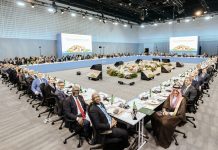
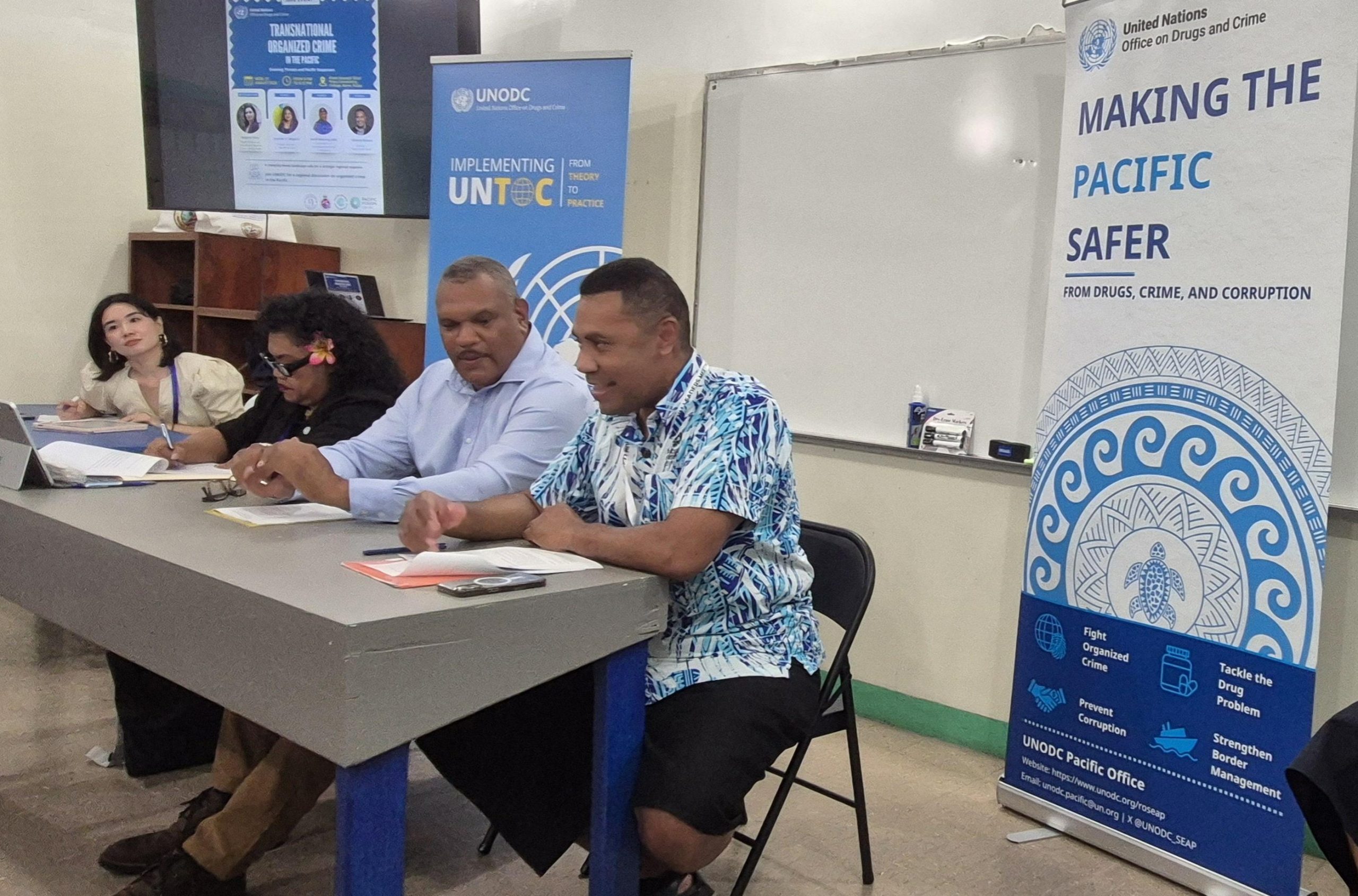
Speaking at a Pacific Islands Forum side event on “Transnational Organised Crime in the Pacific: Evolving Threats and Pacific Response,” Manning said Pacific governments must move towards a more unified and formal approach to regional security cooperation.
“Looking to the future, we must be honest that our national and regional security architecture has too often tended towards the ad hoc.
“We’ve relied on relationships, temporary arrangements and case-by-case operations” Manning said.
Manning said relationships between Pacific police forces remained a major strength, but organised crime had grown beyond what informal arrangements could effectively address.
“Those relationships are a strength, but the threat has now grown beyond informal mechanisms alone,” he said.
As interim chair of the Pacific Police Initiative Leadership Board, Manning called on Pacific governments to support what he described as a unified model for regional security.
He said the model being developed by Pacific police chiefs and commissioners was police-led, Pacific-owned and respectful of national sovereignty.
“That model is police-led, Pacific-owned, sovereignty-respecting and operational.
“It is built around the realities of the Pacific,” Manning said.
Manning said the next step should be the development of a regional Pacific policing agreement that would strengthen cooperation and support across the region.
“The next step should be a regional Pacific Police treaty — an agreement that streamlines cooperation, employment and regional security support across the Pacific,” he said.
Manning said a treaty would formalise and strengthen cooperation already taking place between Pacific police forces.
“A treaty would give force to what police leaders are already doing,” he said.
He said it could establish pathways for peer-to-peer cooperation, regional assistance, operational deployments, personnel exchanges, training standards and legal cooperation.
Manning said Pacific governments did not need to build an entirely new system.
“We don’t necessarily need to reinvent the wheel.
“We should take what is already working through Pacific policing and strengthen it and give it the force of international law,” Manning said.
He warned against creating competing security structures or duplicating existing regional mechanisms.
“We should not create competing frameworks, duplicating existing mechanisms or militarise a regional security problem that Pacific police are already authorised to combat,” Manning said.
Manning said the decision by Pacific ministers to call for a Pacific-led response reflected the importance of protecting the region’s sovereignty and way of life.
“This is about sovereignty, security and protection of our Pacific way of life.
“Our partners are welcome and necessary, but the Pacific is now joined together to lead the fight against transnational crime in our region,” he said.
The Police Commissioner said international partners had an important role but stressed that Pacific countries must remain in charge of the regional response.
Manning said the effectiveness of the fight against organised crime should not be measured only by the number of arrests or drug seizures.
“Success will not be measured by arrests or seizures alone.
“The real test is whether we reduce harm in Pacific communities, disrupt the networks behind the trade and make the region a harder and less profitable arena for organised crime,” he said.
He said transnational criminal networks were evolving and Pacific countries needed stronger regional cooperation to disrupt their operations.
“As I stated earlier, our leaders need to work towards a regional Pacific treaty to combat transnational crime going forward,” Manning said.
Manning’s call comes as Pacific leaders and regional security officials consider how existing regional mechanisms can respond to growing threats from transnational organised crime, including drug trafficking and other cross-border criminal networks.
The Papua New Guinea Police Commissioner said the future regional response must be based on Pacific leadership and practical operational cooperation.
“Success will be measured by whether we make the Pacific a harder and less profitable arena for organised crime,” Manning said.