


Pacific governments could face costly investor claims if they change environmental or regulatory policies around deep-sea mining, according to a new report warning that existing investment agreements may limit countries’ ability to change course.
The report, Undermining Sovereignty: De-risking the Pacific from Investor-State Disputes in Deep-Sea Mining, launched by the Pacific Network on Globalisation (PANG) Tuesday, examines how Investor-State Dispute Settlement (ISDS) mechanisms could be used by foreign investors to challenge government decisions affecting their investments.
The report identifies Papua New Guinea, Tonga, Nauru and the Cook Islands among Pacific countries facing different forms of exposure as interest in deep-sea mining grows.
Its author, Dr Jane Kelsey, said the concern was not only the possibility of large compensation claims, but the potential for the threat of legal action to discourage governments from introducing stronger environmental protections or changing policies.
“We call that the chilling effect,” Dr Kelsey said.

The report identifies five potential pathways for investor-state claims: bilateral investment treaties, contracts between governments and mining companies, sponsorship agreements under the International Seabed Authority (ISA), domestic legislation and potential United States arrangements for deep-sea mining.
“Pacific countries involved in deep sea mining are exposed to at least two of these five,” she said.
PANG Deputy Coordinator Adam Wolfenden said the risks were particularly concerning because deep-sea mining remained an emerging industry, with significant uncertainty over its environmental impacts.

“To tie ISDS to this new industry, this experimental industry, is an enormous liability for the Pacific island countries,” he said.
Kelsey said mining companies could potentially use ISDS to challenge measures including stronger environmental impact assessments, changes to taxation rules, withdrawal of licences and regulations addressing environmental harm.
She said investors could seek compensation not only for losses to existing investments but also for anticipated future profits.
“The goal is really twofold. One is to seek and receive massive compensation awards for what government has done … on the future profits that they expect from the entire 50 or 60 years of operation,” Dr Kelsey said.
The report also points to an existing deep-sea mining dispute involving Odyssey Marine Exploration and Mexico. Kelsey said the company challenged Mexico’s rejection of an environmental impact assessment and was awarded US$37.1 million by an arbitral tribunal.
She said the tribunal also declined to hear evidence from a local fisheries cooperative and environmental groups.
The case, Dr Kelsey said, demonstrated why Pacific governments should consider the legal risks before deep-sea mining projects advance further.
Papua New Guinea’s experience with investor disputes features prominently in the report, including disputes involving the Porgera mine and the Solwara 1 deep-sea mining project.
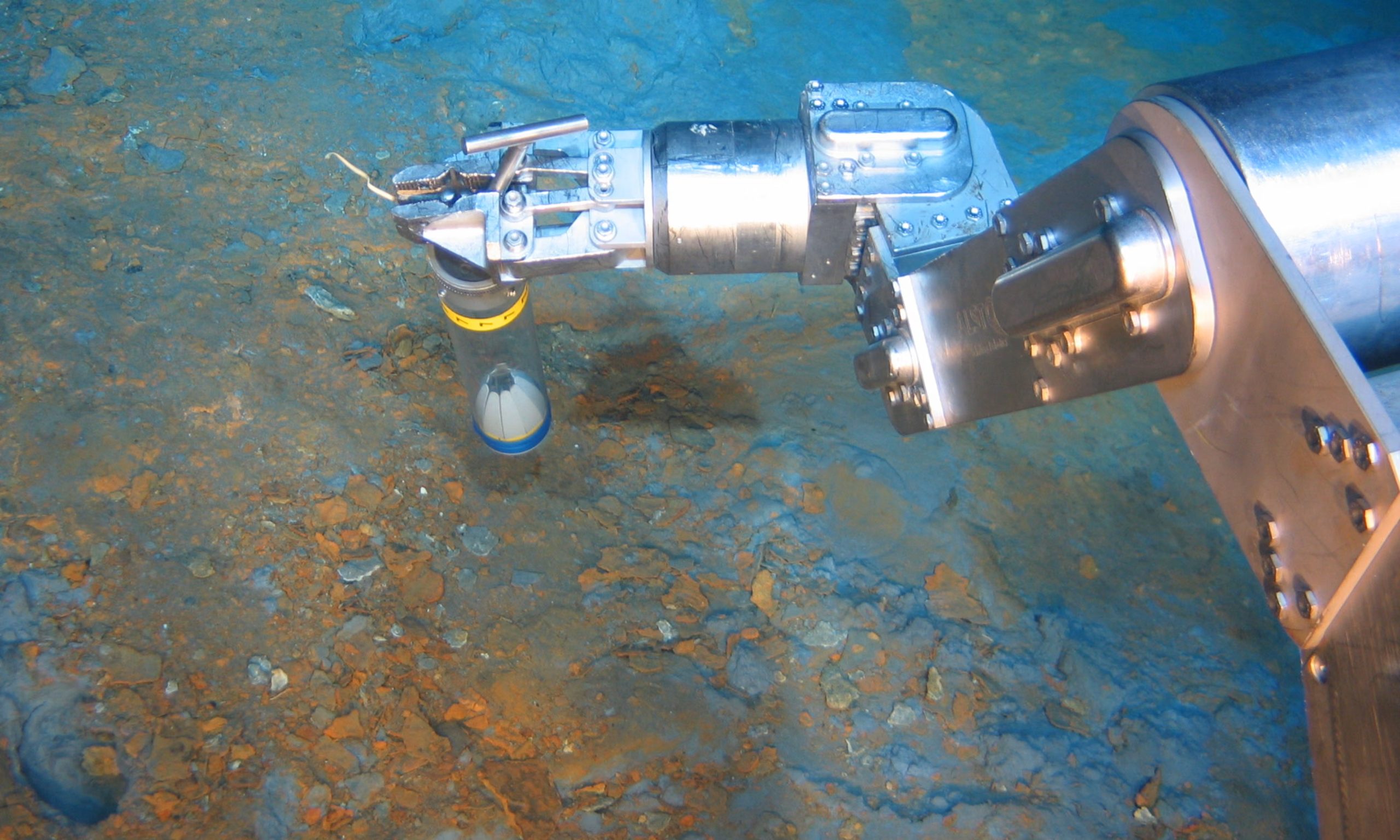
Dr Kelsey said the cases showed how governments could face significant costs and pressure when disputes entered arbitration.
“Governments get worn down. It costs them a huge amount of money, it’s very uncertain, and there are major, major potential impacts on their sovereignty, on decision making, and on the rights of their peoples,” she said.
The report recommends that governments review existing investment treaties containing ISDS provisions and withdraw where possible. It also recommends that treaties that have been negotiated but are not yet in force should be cancelled.
For Papua New Guinea, the report identifies five bilateral investment treaties containing ISDS provisions with Australia, the United Kingdom, China, Japan and Germany.
In Tonga, civil society concerns centre on whether the country would retain the ability to change its position on deep-sea mining if environmental evidence or public opinion shifted.
Olive Mafi of the Civil Society Forum of Tonga said communities had repeatedly expressed opposition to deep-sea mining during national consultations.
“The overwhelming majority of those people who have taken part in this discussion said no to deep-sea mining,” Mafi said.
She said the issue was ultimately about whether Tonga would be able to act on those views without facing potentially costly consequences.
“What this report shows is that a decision like that now comes with a price tag set by arbitrators in someone else’s country,” she said.
“The seabed isn’t just a line in a budget. It’s our livelihoods. It’s our identity. It’s the thing our young people will expect to inherit.”
Mafi called for Tonga’s sponsorship agreement and related contracts to be made public and subjected to greater scrutiny.
“A sovereignty we cannot afford to use isn’t really sovereignty,” she said.
In the Cook Islands, Te Ipukarea Society Environment Campaign Manager Sieni Tiraa-Ivaiti said the rapidly changing corporate landscape around deep-sea mining was making it difficult for communities to determine who held rights and liabilities.
“Company structures and ownership can change. Ultimate ownership and control are not always clear. Important contracts, agreements, and legal documents aren’t accessible either,” she said.
Tiraa-Ivaiti said the lack of accessible information made it harder for communities and civil society to understand the legal and financial commitments governments may have entered into.
“The Cook Islands must retain the sovereign right to protect our ocean and our people,” she said.
“Our government should be able to pause, strengthen regulation, or change direction without the threat of costly investor claims.”
Samantha Kuman of Papua New Guinea’s Healthy Oceans Network said PNG’s previous experiences should serve as a warning to governments considering deep-sea mining.
“The threat of arbitration or its challenge is not only what happens to our ocean and our land, it’s the threat that also what happens to our sovereignty, our laws, our public finances,” Kuman said.
She said communities and customary landowners continued to face difficulties accessing information about extractive projects and the agreements underpinning them.
Kuman urged PNG to strengthen its legal safeguards before another dispute arises.
“Prevention is cheaper than arbitration and sovereignty is more valuable than a long-term investment promise,” she said.
The Healthy Oceans Network is calling for a legally binding and enforceable moratorium on deep-sea mining in PNG and the cancellation of Mining Lease 154 associated with the Solwara 1 project.
The PANG report recommends that Pacific governments reduce their exposure to ISDS by reviewing or withdrawing from existing investment treaties where possible and avoiding ISDS provisions in future agreements.
It also calls for mining contracts to be made public and governed by domestic law, with disputes subject to domestic courts.
For sponsorship agreements under the ISA, Dr Kelsey recommends revising existing arrangements and the model agreements used for future projects.
The report also recommends changes to domestic legislation to ensure investor protections do not undermine national sovereignty, constitutional requirements, customary law or governments’ ability to regulate in the public interest.
Dr Kelsey said Pacific governments faced a choice over whether to preserve the policy space needed to respond to changing environmental and economic circumstances.
“Not doing so lays states open to potentially crippling lawsuits just for acting in the national interest,” she said.