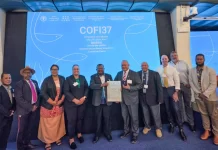

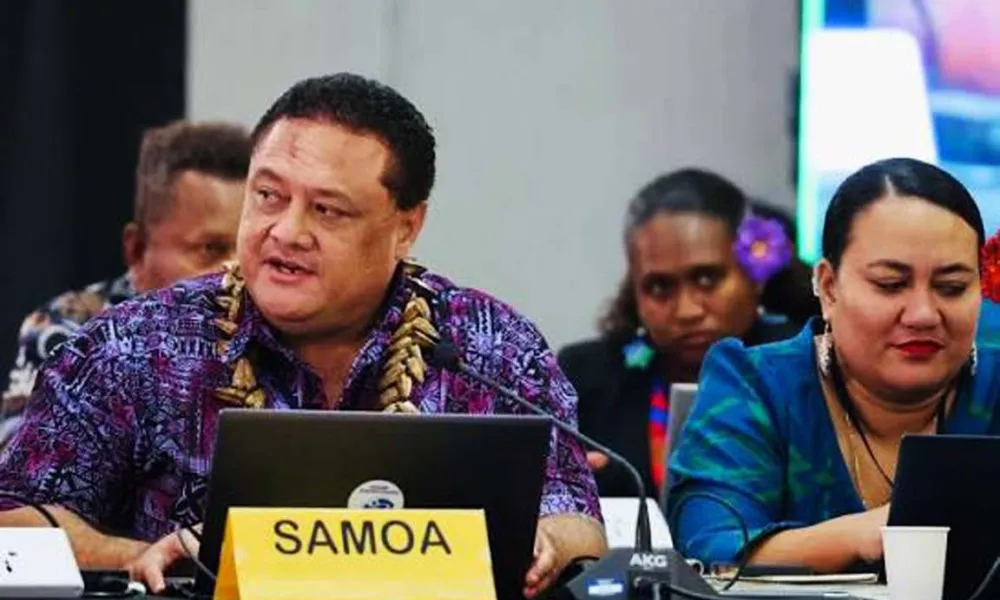
Samoa is pushing for stronger monitoring of fish stocks and greater protection of its Exclusive Economic Zone (EEZ) as the Western and Central Pacific Fisheries Commission (WCPFC) scientific session gets underway in Apia.
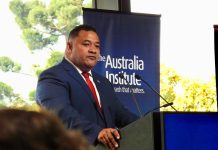
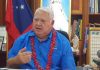
Assistant Chief Executive Officer of Fisheries Roseti Imo said effective monitoring and management of fish stocks was critical to ensuring Pacific countries benefit from their marine resources.
He warned that without proper monitoring of national EEZs, only a small number of countries could benefit from the region’s fisheries resources, making cooperation and partnerships essential.
Imo said fisheries had been a backbone of Samoa’s economy, but rising fuel and equipment costs had made the sector increasingly difficult to sustain.
He said the Tuna Commission process was about more than establishing fisheries laws, with countries also sharing data, scientific knowledge and management methods to ensure fish stocks remain sustainable.
Samoa is using its hosting of the WCPFC scientific session to raise regional concerns around fisheries management and maritime security.
It is working with Australia, New Zealand, Tonga and Fiji on operations to monitor the Blue Pacific, including illegal fishing, illegal drugs and trafficking.
Imo said Samoa is also working to coordinate EEZ boundary issues with Tonga, Niue, New Zealand, Wallis and Futuna and American Samoa.
“It is important to monitor and maintain the security of E-Zones,” he said.
Scientific information presented at the meeting will provide countries with assessments and projections on the condition of fish stocks.
Imo said the data would help determine the status of stocks, catch levels and where fish stocks are concentrated, providing information needed by the Commission to develop advice and management measures.
He said conservation and management measures governing the fisheries sector were among the key issues being discussed.
Samoa’s fisheries relationship with the United States is also a major part of its management of the EEZ.
Under a treaty agreement, US fishing vessels are permitted to fish within Samoa’s EEZ, with Samoa receiving US$2.3 million.
“They fish, take the stock and pay us US$2.3m,” said Imo.
Asked how often U.S vessels can fish in Samoa’s EEZ, Imo said they could do so at any time as long as they paid the required fee.
He said the vessels are monitored through the Ministry of Agriculture and Fisheries’ monitoring system.
Samoa previously had fishing agreements with a company in Taiwan.
Imo commended Prime Minister Laaulialemalietoa Leuatea Polataivao Schmidt for bringing the WCPFC meeting to Samoa and for taking a leading role in negotiations with international fishing companies to secure reasonable payments for the 17 members of the Pacific Islands Forum Fisheries Agency.
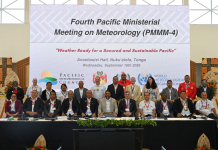
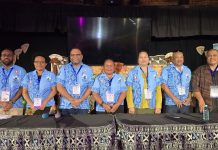
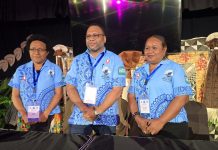
The WCPFC meeting opened on Monday and is scheduled to continue for two weeks.
The session is being held in Samoa for the first time, giving Pacific countries an opportunity to raise concerns over fish stocks, fisheries management and the security of their maritime zones.