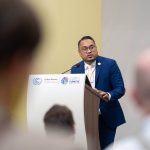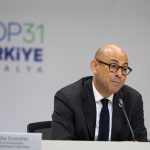

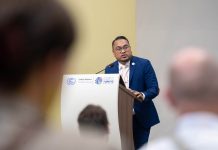

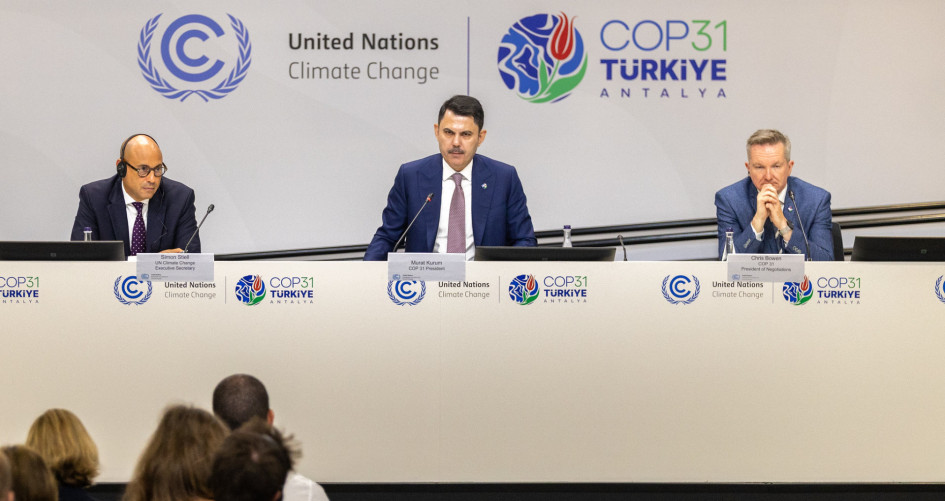
The world must increase the pace of electrification more than four-fold to have any chance of keeping global warming within the 1.5-degree Celsius limit, COP31 President of Negotiations Chris Bowen says.
Bowen said the global rate of electrification must rise significantly, from the current 23percent share of final energy consumption to 35percent by 2035, under a target set by the COP31 Presidency.
“The world has no chance of holding to 1.5 degrees unless we lift that to 35percent,” Bowen said at a joint COP31 Presidency press conference in Antalya, Türkiye.
“That would require more than a four-fold increase in the rate of electrification around the world.”
He said global electrification had increased slowly, rising from 17 percent in 2005 to 19percent in 2015 and 23percent currently.
The target is a key part of the COP31 Energy and Transport Day agenda, with Türkiye and Australia encouraging countries to sign the electrification pledge and consulting Parties on how it should be reflected in the final COP31 decision.
Bowen said electrification could help address several global challenges, including rising energy costs, fuel supply disruptions and increasing pressure on electricity grids from artificial intelligence.
He said the world was facing multiple crises, including cost-of-living pressures, an energy crisis and worsening climate impacts.
“The world’s worst energy crisis in history has seen the cost of fossil fuels go up and the reliability of fossil fuels come down, but families are feeling the pressure of dealing with that,” he said.
Bowen said the rapid growth of artificial intelligence was adding further pressure on energy grids, while climate change continued to intensify extreme weather events and disasters across countries.
“The climate crisis has not gone away, in fact, it’s worsened,” he said.
He pointed to the growing impacts experienced by countries, including Nepal, which had recently faced severe climate-related disasters.
Bowen said the overlapping crises made international cooperation more important, with COP31 needing to demonstrate that multilateralism could deliver practical solutions.
“We must send a message from COP31 that countries working together is not only the best way, it is the only way of dealing with climate change and the other crises countries are facing,” he said.
Bowen also highlighted the close working relationship between Australia and Türkiye in organising COP31, saying both countries had integrated their teams to deliver a coordinated summit.
He thanked COP31 President Murat Kurum and the Turkish team for their preparations and cooperation.
He said the joint Australian-Turkish arrangement was an opportunity to demonstrate that countries could work together effectively despite the challenges facing the international community.
Bowen also welcomed the support of former COP presidents for the COP31 agenda, saying there was still significant work ahead to secure outcomes.
He said communities around the world were counting on governments to demonstrate that international cooperation could work and deliver results.
“It’s important that we can show that the innovative arrangement that Türkiye and Australia have entered into can and will work and that multilateralism can and will work,” Bowen said.