

The New Zealand Government has quietly killed off Tokelau’s bid for increasing autonomy, minutes of a crucial regional fishing body reveal.
They show that while Tokelau was earning about US$8 million per year — roughly 46 percent of its NZ$30 million (IS$17.38 million) annual budget – New Zealand now wanted to take over management of Tokelau’s exclusive economic zone.
The three‑atoll Aotearoa New Zealand territory, home to around 1,600 people, is now poised to lose as much as two‑thirds of its government revenue after being excluded from the Vessel Day Scheme (VDS) operated by the Parties to the Nauru Agreement (PNA).
The PNA is an alliance of eight Pacific nations — Federated States of Micronesia, Kiribati, Marshall Islands, Nauru, Palau, Papua New Guinea, Solomon Islands, and Tuvalu. Tokelau had been a participating party until earlier this year.
In Wellington, a spokesperson for the Ministry of Foreign Affairs and Trade — which oversees Tokelau’s administration — confirmed the termination in a statement to Pacific Newsroom: “New Zealand understands from Tokelau that its participation in the PNA Vessel Day Scheme was terminated in February 2026. We also understand that the Government of Tokelau is trying to reverse this decision as a matter of priority. New Zealand stands ready to support Tokelau.”
In fact, it looks as if New Zealand is quietly resuming colonial governance of the colony.
Tokelau’s plight was revealed at a PNA special meeting on 27 Novemberlast year in Manila. Tokelau attended and its further participation was considered as an “urgent issue”.
Papers presented at the Manila meeting showed that beginning in 2013, New Zealand was allowing Tokelau “increased autonomy in their fisheries management with a view for Tokelau to move towards economic independence,” the minutes say.
“New Zealand has now changed its position and has taken over the management of Tokelau’s fisheries. Tokelau’s latest update in their letter to Parties was that New Zealand’s position was not likely to change, which meant that Tokelau could no longer operate as it used to.”
Discussions at Manila included expressions of regret at Tokelau’s situation with New Zealand.
“Certain parties were already experiencing the effects of this in their dealings with Tokelau which were now proving difficult; past activities done in the past, such as trading of days were now proving difficult to undertake with Tokelau.”
All this meant was PNA arrangements would no longer be viable for Tokelau.
“It was a big step back for Tokelau noting they’ve benefited enormously from their participation in the PNA VDS, and it’s obviously a bad call for New Zealand but there was not much to be done except to consider the recommendations for a way forward,” minutes noted.
The meeting expressed sadness at losing Tokelau as a colleague and longtime participant to PNA, “but acceptance that there was little that can be done about it, considering Tokelau’s status as a non-self-governing territory of New Zealand.”
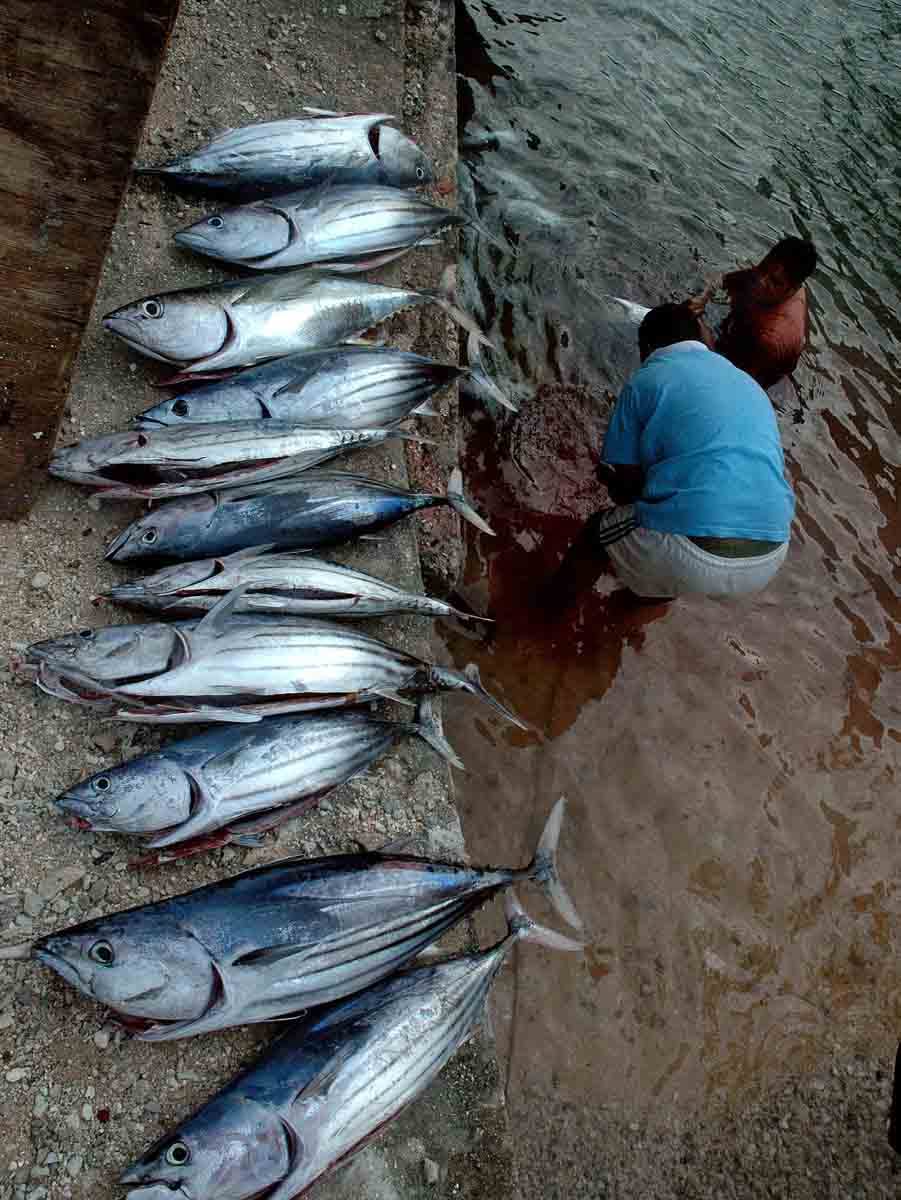
Under the VDS, PNA members sell tuna purse‑seine vessels the right to fish in their exclusive economic zones. A single vessel day typically sells for between US$8,000 and US$10,000, and the scheme collectively generates around US$500 million annually for its members.
Tokelau has never publicly disclosed its VDS income, but with an allocation of 1,000 vessel days, available pricing indicates Tokelau earned about US$8 million per year — roughly 46 percent of its NZ$30 million (US$17.38 million) annual budget.
On 01 June, while visiting Samoa, New Zealand Foreign Minister Winston Peters met with Tokelau Ulu (head of government) Alapati Tavite and other Tokelauan leaders.
Posting on X, Peters said: “The Minister remarked on the deep significance of this year for our relationship, with 2026 marking the centenary of New Zealand’s administration of Tokelau. We are proud to stand beside Tokelau as its primary partner… a responsibility to which we remain seriously committed.”
The new hardline attitude toward Tokelau raises questions whether another United Nations supervised referendum will be held again.
Two previous referendums saw Tokelau narrow vote in favour of staying with New Zealand.