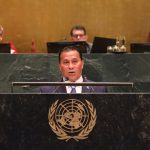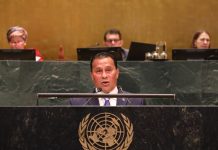



World Health Organisation (WHO) Western Pacific regional director Dr Saia Ma’u Piukala has called for stronger global investment and political commitment to tackle oral diseases, warning nearly 960 million people in the Western Pacific are affected by preventable oral health conditions.
Speaking during the launch of the Global Coalition on Oral Health at the ongoing World Health Assembly in Geneva, Dr Piukala said oral health remained central to overall health and wellbeing.
“There is no health without oral health,” Dr Piukala said.
“A maxim I’ve long used to underscore how crucial oral health is to lifelong health and well-being – as I know from my years as a doctor and surgeon in my homeland of Tonga.”
Dr Piukala welcomed the launch of the new global coalition, which brings together governments, health organisations and research institutions to support implementation of the Global Oral Health Action Plan 2023–2030.
The plan aims to integrate oral health services into primary health care systems under universal health coverage.
Dr Piukala thanked the Philippines for joining Brazil, Egypt, France and Mauritius in co-hosting the launch alongside several international partners and WHO collaborating centres.
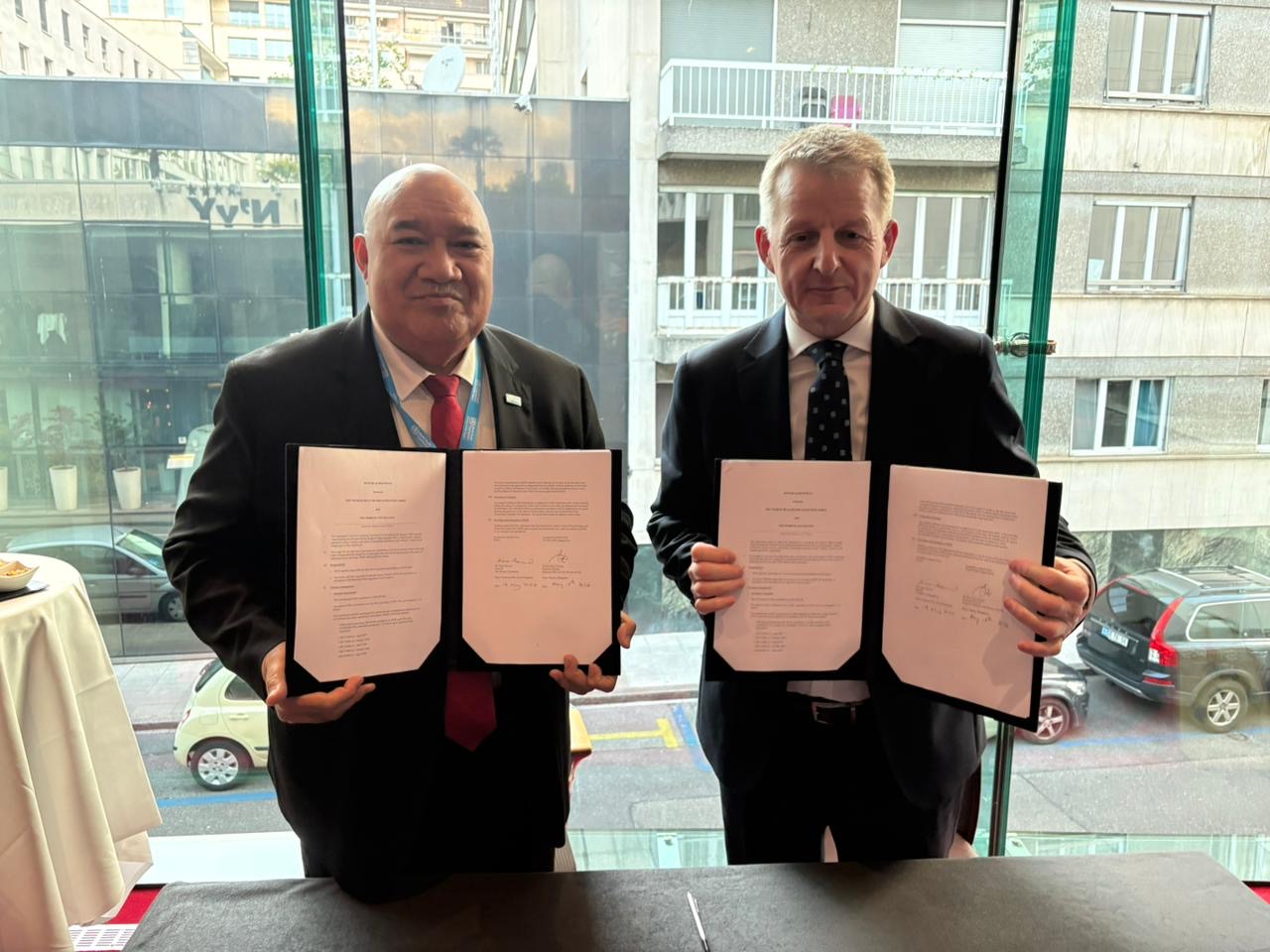
He also announced a new partnership between the WHO Western Pacific Regional Office and The Borrow Foundation to support oral health implementation efforts in the region.
“So grateful to Trustee Nigel Borrow and his pioneering foundation for this multi-year partnership – their first-ever with WHO,” Dr Piukala said.
He warned that oral diseases, ranging from tooth decay to oral cancer, remained the most common noncommunicable diseases in the Western Pacific.
“Oral diseases, from caries to cancer, remain the most common noncommunicable diseases in the Western Pacific region, affecting nearly 960 million people – about 42 percent of the overall population,” he said on X.
Dr Piukala said access to oral health services remained limited across many countries despite most oral diseases being preventable.
“Reversing the burden of oral disease – one that has remained largely unchanged for decades – will require more investment in both financial and human resources, underpinned by sustained political commitment.”
He said the new Global Coalition on Oral Health aimed to strengthen cooperation, mobilise support and accelerate action at country and community level.
“My hope is that our Global Coalition will help mobilise that support, align our efforts, and accelerate impact where it matters most – at country and community level.” Said Dr Piukala.