
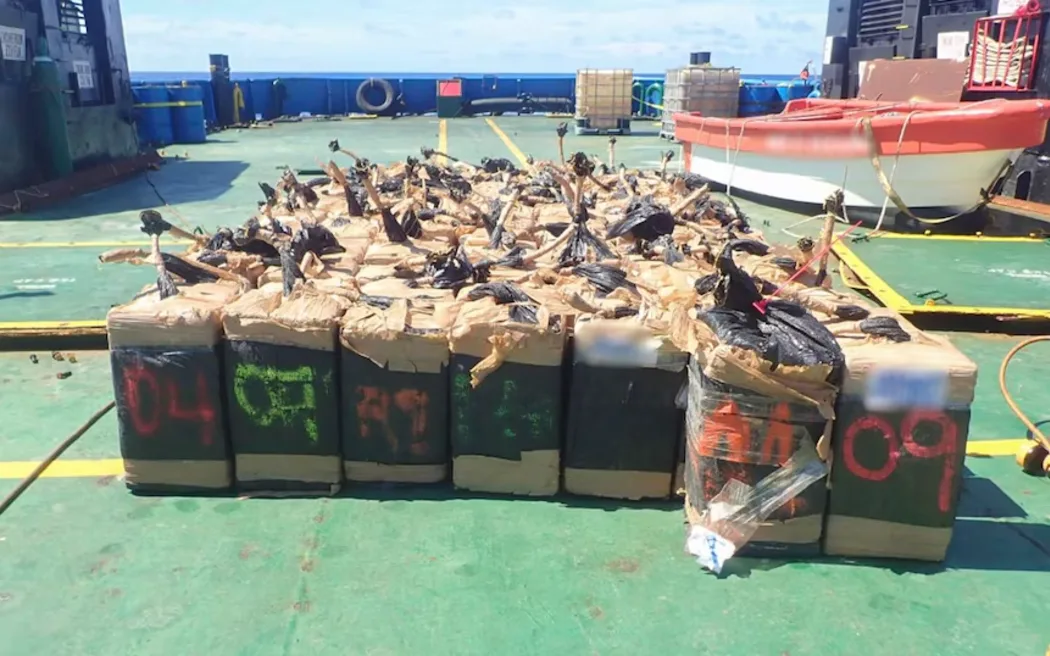
Shocking new reports on the rise of sophisticated drug-smuggling vessels crossing the Pacific has highlighted a growing threat to vulnerable communities, with ChildFund New Zealand warning that children are increasingly exposed to the impacts of transnational crime.
“We work with local communities in some of the remotest islands in the Pacific, on water, food and education programmes, including in Solomons Islands where the latest drug boat was found,” says Josie Pagani, CEO of ChildFund.
Investigations by ABC News revealed multiple “narco-subs” operating in Pacific waters, signalling the region is becoming a key transit route for global drug networks targeting Australia and New Zealand.
The issue goes far beyond border security.
“The Pacific is our home too. The problems we face, from poverty to drugs, are connected. For Pacific communities, this is happening in their villages. For kiwi families it’s happening to their children as access to drugs gets easier,” says Josie Pagani.
The targeted use of remote island nations as staging points exposes communities to organised crime, with potential impacts including exploitation of young people, increased substance availability to children, and pressure on already stretched local services.
“When criminal networks move in, they target places where people are already under pressure, whether that’s from poverty, lack of opportunity, or climate impacts. Children are the ones who feel those pressures first and most deeply.”
ChildFund New Zealand is calling for a broader response that prioritises prevention and community resilience alongside enforcement.
“If we only focus on stopping drugs at the New Zealand border, we miss the bigger picture. Prevention starts in these Pacific communities. They need to be supported to deal with drugs turning up on their beaches, and to manage the risk to children and young people.”
Drug use among Pacific young people is growing at alarming rates, particularly amongst 15-34 year olds, with the rapid rise in methamphetamine, and international drug drops. In countries like Fiji, 50 percent of new HIV infections are linked to drug use.
Sustained investment in essential services, education, child protection, and local partnerships across the Pacific is critical to reducing vulnerability to exploitation.
“The Pacific is our neighbourhood, and for many New Zealanders, it’s also family,” said Pagani.
“What happens there matters to New Zealand, and it matters for the future of children in the Pacific and here at home,” she said.