
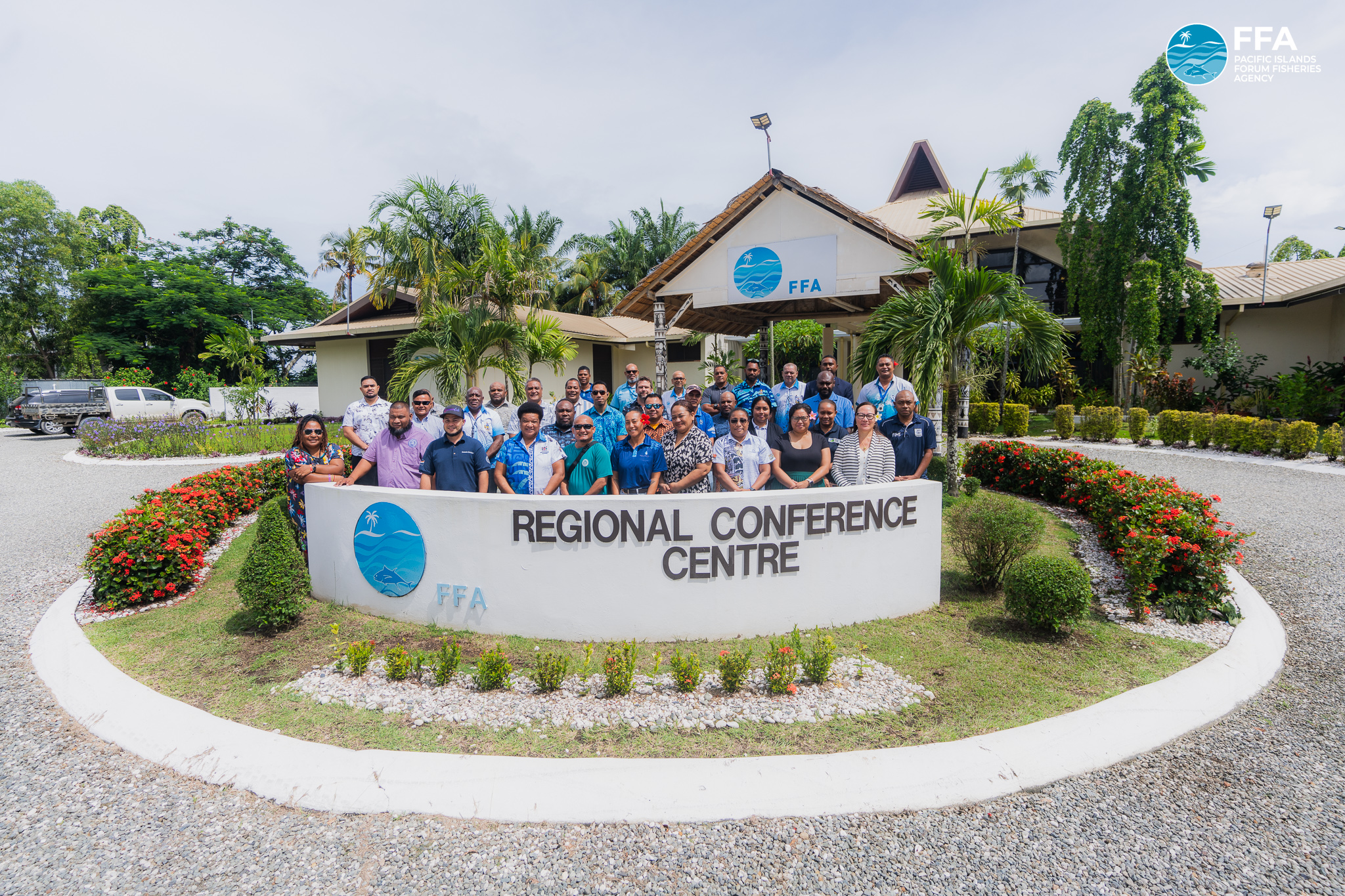
Members of the Pacific Islands Forum Fisheries Agency have begun pre-meeting discussions in Honiara with a workshop on the Niue Treaty Subsidiary Agreement, marking more than a decade since the agreement came into force.
The workshop, held ahead of the 29th Monitoring, Control and Surveillance Working Group (MCSWG29), saw Members reflect on progress, challenges and lessons from joint surveillance operations across the region.
Adopted in 2012 and operational since 2014, the Niue Treaty Subsidiary Agreement enables FFA Members to work together on fisheries monitoring, control and surveillance, including joint operations, intelligence sharing and coordinated enforcement across national borders.
The agreement has strengthened regional efforts to combat illegal, unreported and unregulated fishing, allowing Members to pool resources, exchange fisheries data and carry out cooperative surveillance activities.
To date, more than 50 joint operations and capability development activities have been delivered under the agreement, involving 13 Parties, highlighting continued regional commitment to protecting Pacific fisheries.
Discussions at the workshop focused on boosting cooperation, tackling illegal fishing and addressing emerging transnational maritime risks, while also reviewing implementation progress and identifying gaps requiring further support.
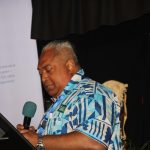
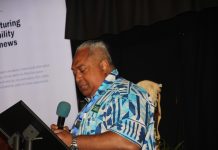
FFA Interim Deputy Director-General and Director of Fisheries Operations, Allan Rahari, said the agreement remains central to regional collaboration.
“Through the NTSA, our members are able to coordinate surveillance efforts, share information, and carry out joint operations across national boundaries. This cooperation is key to addressing illegal fishing and safeguarding our fisheries resources.”
The workshop builds on years of operational cooperation, reinforcing efforts to strengthen surveillance across the Pacific.
FFA Members are in Honiara for MCSWG29, running from 23 to 27 March 2026 at FFA Headquarters, bringing together fisheries, maritime and security officials to coordinate regional responses to illegal fishing and strengthen ocean governance.