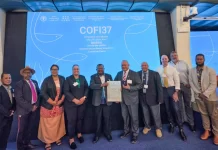

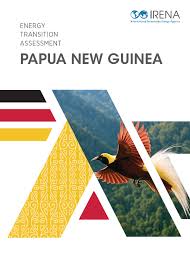
Papua New Guinea is being urged to accelerate its shift to renewable energy and expand electricity access under a new energy transition assessment by the International Renewable Energy Agency (IRENA), developed in partnership with the Government of Papua New Guinea through the SIDS Lighthouses Initiative, which provides a practical and forward-looking guide to accelerate the country’s shift toward a more sustainable, resilient and inclusive energy sector.
The report describes the assessment as “a practical and forward-looking guide to accelerate the country’s shift toward a more sustainable, resilient and inclusive energy sector.”
It identifies major barriers holding back the transition, including gaps in policy, infrastructure, financing and institutional capacity, while setting out six priority areas for action aimed at transforming the country’s energy sector.
According to the report, the focus areas include expanding energy access, advancing clean cooking, strengthening resource assessments and planning, improving energy efficiency, decarbonising transport, and integrating renewable energy across sectors such as agriculture, health and education.
The report says these measures are designed to “support national development objectives, reduce reliance on imported fuels and enhance climate resilience.”
PNG continues to face major energy challenges, particularly in rural communities where electricity access remains limited and dependence on imported fossil fuels continues to expose the country to global price shocks and supply disruptions.
IRENA said the assessment was developed through a “multi-stakeholder and consultative approach” aimed at bringing government agencies, development partners and the private sector together under a shared framework for action.
The report states that the framework is intended to help “align efforts and mobilise investment to improve energy access and accelerate renewable energy deployment.”
It also positions the assessment as a key reference point for future national planning and investment decisions.
The report says it “serves as a critical reference to guide decision-making and strengthen partnerships, and as a foundation for the development of the country’s first National Energy Sector Plan.”
PNG has significant untapped renewable energy potential, including hydropower, solar, geothermal and biomass resources, but progress has been slowed by infrastructure limitations, high development costs and logistical challenges across its geographically dispersed population.
The assessment comes as Pacific Island countries continue to push for greater investment in renewable energy and climate resilience amid rising fuel costs and growing climate pressures across the region.
IRENA’s work through the SIDS Lighthouses Initiative is focused on helping Small Island Developing States strengthen energy security, lower emissions and improve resilience through cleaner and more sustainable energy systems.