


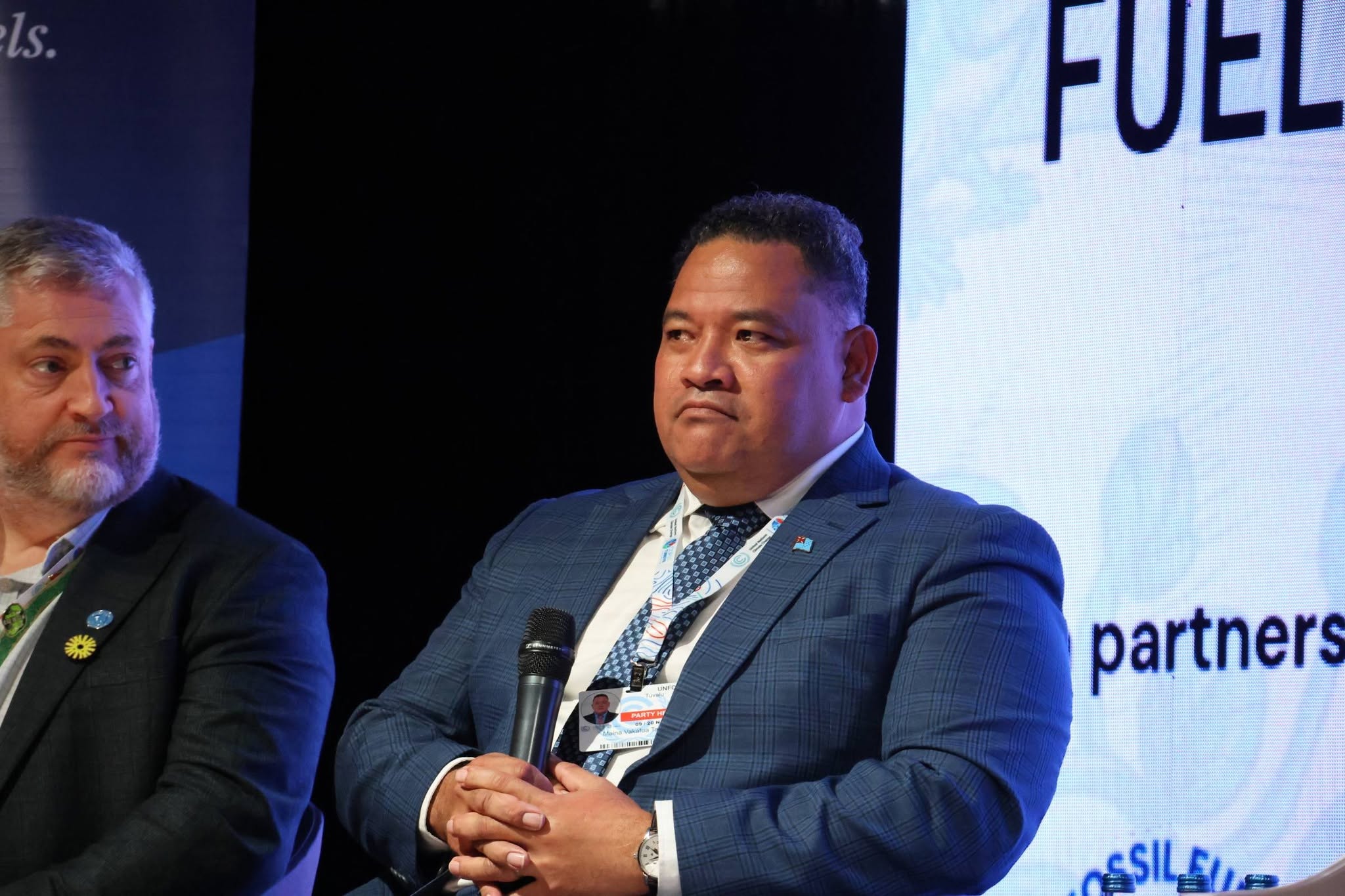
Tuvalu has called on countries to move beyond commitments to phase out fossil fuels and deliver practical action, warning that the transition is critical to the sovereignty and energy security of Pacific Island nations.
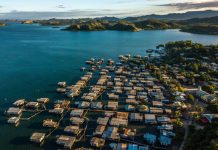
Tuvalu Climate Change Minister Maina Vakafua Talia said the country’s push to move away from fossil fuels was not just about reducing emissions but ensuring island nations could generate their own clean energy rather than depend on imported fuel.
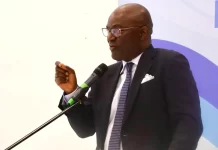
Speaking at TED Countdown House ahead of the 2027 Tuvalu climate conference, which will be co-hosted with Ireland, Talia said the next phase of global climate action must focus on implementation.
“For us, moving away from fossil fuels was never only about emissions. It is about sovereignty. It is about energy security, producing our own clean power instead of depending on fuel shipped from thousands of kilometres away,” he said.
Talia described the Santa Marta conference as a historic breakthrough but said countries could not continue moving from one international meeting to another repeating commitments without delivering results.
He said the 2027 Tuvalu conference must turn discussions on the transition away from fossil fuels into concrete action.
At the centre of Tuvalu’s approach is the concept of ‘Tuakoi’, meaning being good neighbours, which Talia said should guide international cooperation and recognise that countries have different capacities and resources.
He said countries with greater resources had a greater responsibility to support those facing more barriers in transitioning away from fossil fuels.
Talia said Tuvalu and Ireland could not deliver the transition alone and called on governments and partners to arrive at the 2027 conference prepared to provide practical support.
“Tuvalu and Ireland cannot deliver this transition alone, nor should we be expected to,” he said.
“So, my ask is simple: come prepared not only to discuss the barriers, but to help remove them.”
His remarks reinforce Tuvalu’s call for a fair and practical global transition away from fossil fuels, with support for vulnerable countries to develop clean energy systems and reduce their dependence on imported fuel.