


The Asian Development Bank (ADB), the Green Climate Fund (GCF), the governments of the Cook Islands and Palau, and partners today launched a major new initiative to help Pacific Island communities protect their homes, livelihoods, and infrastructure from rising seas and increasingly destructive storms.
The ADB programme aims to mobilise more than US$1 billion in financing to support 14 Pacific island economies.
“Across the Pacific, rising seas and increasingly destructive storms threaten homes, livelihoods, and the infrastructure that people depend on,” said ADB President Masato Kanda.
“For island communities, this is a matter of survival. This investment, which ADB has taken leadership in developing, will help them prepare for the dangers ahead, protect their people, and build a more secure future for their children.”
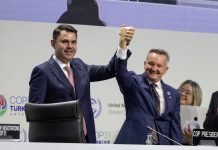
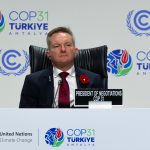
The initiative, formally known as the Regional Programmatic Approach for Climate Action (RPACA), was launched during COP31 in Antalya, Türkiye, following GCF’s approval of US$250 million for the programme.’
RPACA will help Pacific Island governments strengthen roads, water supplies, power systems, coastal defences, and urban infrastructure against extreme weather and rising seas.
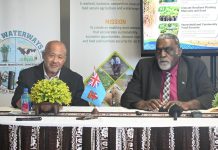
The launch brought together Pacific leaders and development partners, including representatives of the governments of Palau and the Cook Islands, GCF, the Pacific Community (SPC), and the Secretariat of the Pacific Regional Environment Programme (SPREP).
The initiative will coordinate investments across the region while allowing participating governments to set priorities based on their own needs.
“On behalf of the RPACA Co-Chairs, I thank the RPACA Working Group for coordinating Pacific priorities, ensuring the approach is Pacific-led, and bringing regional innovation,” said Palau President Surangel Whips Jr.
“In this long-term partnership for climate action and resilience across the Pacific, success will be measured by how effectively we implement our commitments and deliver outcomes that improve our people’s lives.”
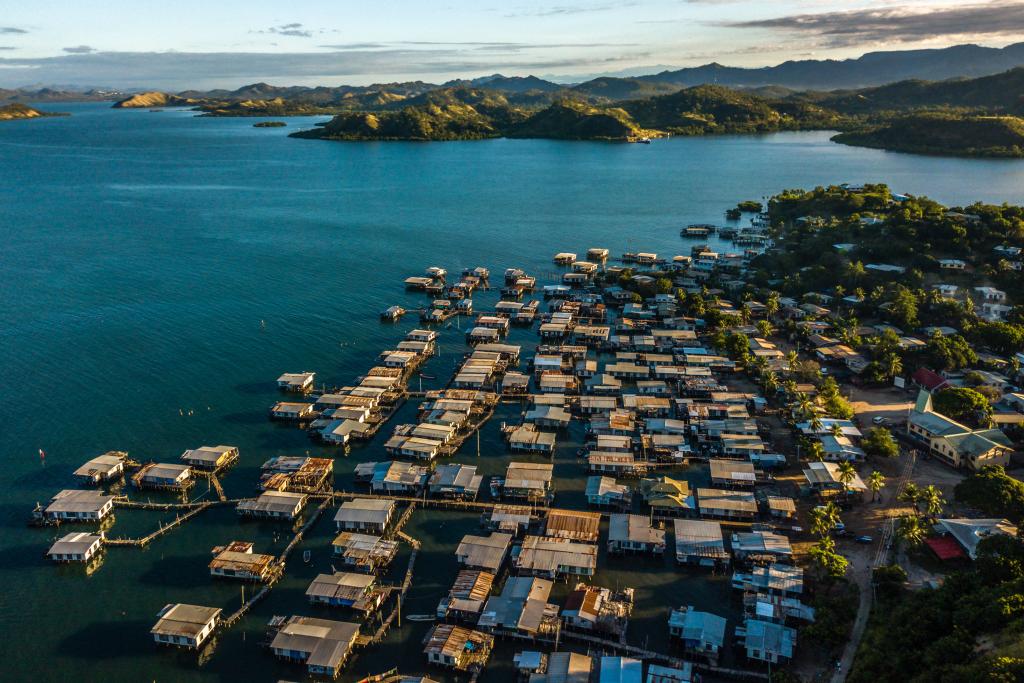
Pacific island economies face growing threats from severe storms, flooding, and rising sea levels. Their geographic isolation and limited economic diversification make it particularly difficult to prepare for disasters and recover from their effects.
GCF’s US$250 million grant will be combined with ADB grants, low-interest loans, and other financing to support projects that protect essential infrastructure and services. The program will also help governments attract public and private investment, improve financial management, and plan long-term measures to protect vulnerable communities.
“I have travelled to many countries on the front line of the climate crisis,” said GCF Executive Director Mafalda Duarte.
“In the Pacific, the threat is written into the geography: many islands sit just a few meters above the sea, and a single storm can cut off the only road, port or water supply a community depends on.
RPACA will help 14 countries build roads, ports, water and energy systems, schools and clinics that can withstand what is coming, and reach 3.7 million Pacific Islanders, one in four people across those countries. Shaped in the Pacific, led by the Pacific, and owned by the Pacific, it is our biggest single step in the region yet. It brings GCF’s commitment across the Pacific to US$1.2 billion, with a further US$2 billion in cofinancing,” she said.
The Cook Islands, the Federated States of Micronesia, Fiji, Kiribati, the Republic of the Marshall Islands, Naoero, Niue, Palau, Papua New Guinea, Samoa, Solomon Islands, Tonga, Tuvalu, and Vanuatu will be eligible for support.
ADB’s programme forms part of a broader regional initiative being developed with the Pacific Community and the Secretariat of the Pacific Regional Environment Programme.
The three organisations are preparing complementary programmes to strengthen infrastructure, improve food and water security, protect public health and natural ecosystems, reduce pollution, and share knowledge across the region.