
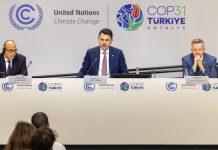

As climate change negotiations get underway in the halls of the Antalya Expo Centre in Türkiye, Pacific officials and negotiators fighting for the survival of Pacific communities from the devastating impacts of climate change have been reminded to keep 1.5 their north star.
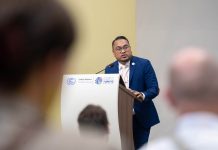
“For the Pacific, 1.5 to stay alive is not a slogan, it is our lifeline,” reiterated Fiji’s Permanent Secretary for Environment and Climate Change, Dr Sivendra Michael.
“This number is about the survival of our people, the protection of our land, languages, culture and all that is dear to us. So here in Antalya, as we get into our work this week, I urge you all to ensure 1.5 remains your north star.”
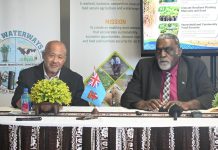
On Tuesday, the Pacific Delegation Office, a Pacific partnership with the Government of New Zealand managed by the Secretariat of the Pacific Regional Environment Programme (SPREP), welcomed Pacific Leaders, Ministers and negotiators for their first meetings in the Office in Antalya.
Fiji, as the Chair of the Pacific Small Island Developing States (PSIDS), encouraged Pacific delegations to keep the One Pacific Voice strong as they navigate the complex and challenging days of negotiations ahead.
Dr Michael acknowledged that the work in the next two weeks will not be easy.
“Fiji, as the Chair of PSIDS, stands ready to work with all our Pacific countries to ensure our priorities on different thematic areas are amplified, advocated for and that they are reflected in the decisions made at COP31,” added Dr Michael.
COP31 takes place at a time when scientists have warned that the world is set to temporarily exceed the Paris Agreement’s 1.5°C warming threshold, according to the Limiting Overshoot report by the UN Environment Programme (UNEP).
Anticipated impacts include intensified extreme weather, ecosystem loss, and rising seas that threaten Small Island Developing States and low-lying coastal cities. Severe damage to human health, food security, water supplies, nature, cities, infrastructure, and economies is expected. Pacific communities, unfairly placed at the forefront of these impacts, are already experiencing this reality, with a powerful El Niño expected to intensify climate impacts further.
“Our priority is to make sure that we minimise the magnitude and the duration of the overshoot through deep, rapid and sustained emissions reductions in this decade,” said Dr Michael.
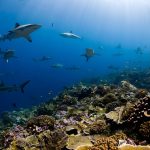
The Pacific’s work at COP31 centres on four pillars: keeping 1.5°C within reach, enhancing access to climate finance, elevating the ocean-climate nexus and amplifying Pacific voices and leadership.
Pacific countries arrive in Antalya buoyed by the successful hosting of Pre-COP31 in Nadi in October by Fiji, with Tuvalu, as part of the Australia–Pacific COP31 partnership, and the adoption there of the Taku Pakasoa Declaration.
“The Pacific comes ready to negotiate and calls for greater collaboration and partnership at COP31,” added Dr Michael.
“Our priorities are centred on ensuring that the voices and realities of small island developing states are recognised in these global climate discussions. We need commitments that translate into real action for our people,” he said.