
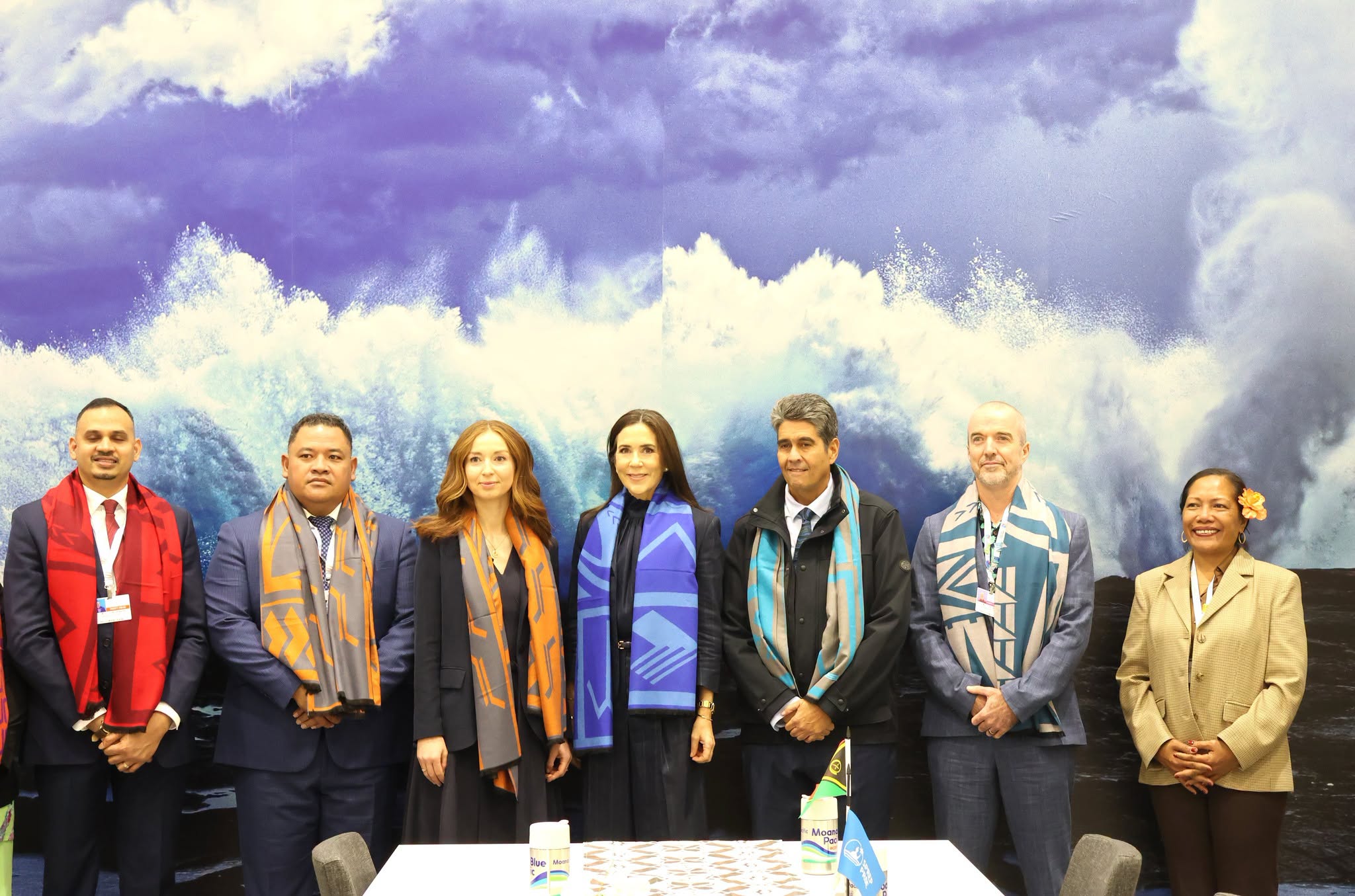
Pacific countries welcomed and embraced royalty on the margins of COP31 on Tuesday when the Moana Pacific Blue Pavilion welcomed Her Majesty Queen Mary of Denmark, Countess of Monzepart.
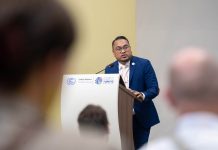
Her Majesty was accompanied by Denmark’s Minister for Climate, Energy and Utilities,Samira Nawa, who was a panellist in the “Pacific Voices, Pacific Priorities: Investing in a Renewable Energy Future” side event organised by the Government of Australia.
The high-level gathering brought together governments, development partners, multilateral development banks and investors to advance the Pacific’s renewable energy transition and support the vision of a 100 per cent renewable Pacific.
Her Majesty Queen Mary took a front row seat and listened intently as Pacific island countries highlighted global leadership in efforts to transition to renewable energy.
Countries like Palau for example have set ambitious targets to generate up to 100 per cent of their electricity from renewable sources as a means of strengthening energy security, reducing reliance on imported fuels, increasing energy access and supporting sustainable development.
Palau President, Surangel Samuel Whipps Jr said that at COP31, there is substantial focus on energy transition and electrification, including the 35 by 35 Goal.
“I want to be clear,” he said, “this cannot be just an exercise for the sake of targets on a page, nor signatures on a pledge. Energy transitions is the bedrock of our economic sovereignty.
“I must also deliver a blunt message, the vital focus on electrification at COP31 cannot take away from the one core mandate agreed to at COP28, transitioning away from fossil fuels. That mandate must now take hold in the real world. Phase out plans must deliver on targets, trajectories and timelines.”
Denmark is a global leader in clean energy, generating over 85 percent of its net electricity from renewable sources.
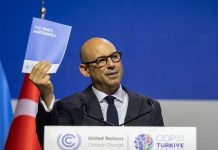
Denmark’s Minister for Climate, Energy and Utilities, Samira Nawa, said her country stands ready to support the energy transition in the Pacific.
“The recent disruption in the energy markets confirmed something we have known for years, the next fossil fuel crisis is just around the corner,” she said.
“Renewable energy gives us a way to break the cycle and in Denmark, we believe this opportunity should be available to all.”
Nawa added that while Denmark is not as exposed to extreme weather and natural disasters as the Pacific islands, “we share some of your struggles, we are all small states in an unstable world.
“We face the consequences of climate change, and we are all heavily dependent on fossil fuels.”
The centrepiece of the COP31 Presidency’s energy agenda is the 35 by 35 Global Electrification Pledge, which aims to increase electricity’s share of total final energy consumption to 35% by 2035.
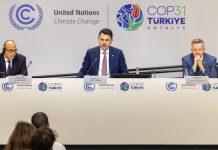
“We need the 35×35 target because until now electrification has not been underpinned by a clear global goal,” said COP31 President, Murat Kurum.
“This year’s energy crisis has shocked us out of our complacency and demonstrated the inherent vulnerability of dependence on energy imports.”
He added: “Electrifying the global economy is now essential to boot energy security, cut emissions, and drive economic growth. The COP31 presidency is determined to chart a path forward and use the annual UN summit to build momentum.”
In Antalya, while Türkiye is host of COP31, Australia is leading the negotiations, working closely with Pacific countries.