


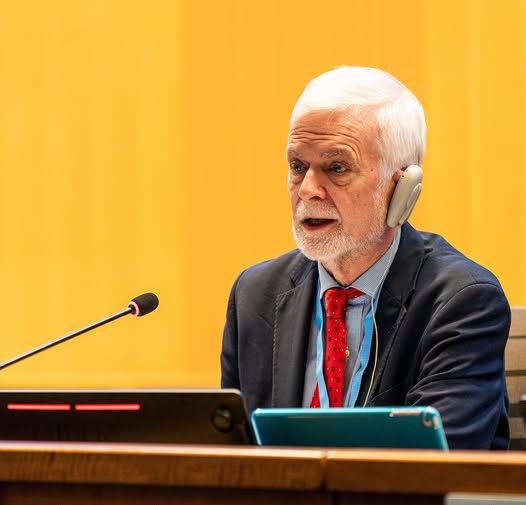
Intergovernmental Panel on Climate Change (IPCC) Chair Jim Skea has stressed the need for vulnerable countries and small delegations to participate fully in climate science decisions, as the panel prepares to resume talks on its next major assessment reports and budget.
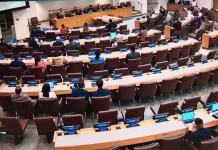
Following the suspension of the 65th plenary session in Addis Ababa, Ethiopia, Skea said the meeting had completed most of its agenda but failed to reach agreement on the timelines for the three Working Group contributions to the Seventh Assessment Report (AR7) and the budget to support the work.
“This means that the work of this Plenary has not finished,” Skea said in a statement.
He said the talks had continued beyond their scheduled closing time, forcing many delegates, including representatives from vulnerable countries and small delegations, to leave for home.
“Inclusive participation by these and all other governments in IPCC plenary sessions and its work is essential to ensure that global climate assessments are robust, representative, and responsive to the needs of all countries,” he said.
Skea said governments needed to contribute their scientific knowledge, national and regional experiences, and policy priorities to the preparation and approval of IPCC assessments.
He said fair participation was particularly important to ensure the reports reflected the different climate risks, development challenges and adaptation needs facing countries.
“For me, as a scientist and the Chair of this unique scientific and intergovernmental process, inclusivity must include equitable participation in the Panel’s decision-making, access to scientific information, capacity-building, financial and technical support, and effective participation in all critical deliberations,” Skea said.
Agreement on the AR7 timetable is important because the reports provide scientific evidence for national climate policies, adaptation planning, disaster risk reduction and climate finance.
The assessments also inform decisions on reducing greenhouse gas emissions, strengthening resilience and responding to the impacts of climate change.
Although delegates agreed on a new process governing the appropriate application and use of artificial intelligence in the IPCC’s work, the reporting schedule and budget remain unresolved.
Skea said he would work with member governments, the IPCC scientific leadership and the secretariat to reconvene the plenary at the earliest opportunity.
The IPCC is the United Nations body responsible for assessing scientific evidence on climate change, its impacts and risks, and options for mitigation and adaptation.
IPCC assessments are a key input into the international negotiations to tackle climate change.