

The governor of Papua New Guinea’s Western Highlands Province says his province is unprepared to deal with the severe impacts of the El Niño weather event being experienced across the country.
During an El Niño event, warmer ocean waters affect rainfall and wind patterns, often bringing drier-than-usual conditions and a higher risk of drought to the western Pacific.
Western Highlands governor Wai Rapa is warning that the PNG government does not have the finances or the resources to manage the situation.
Rapa told the Post-Courier there has been no communication from the national government.
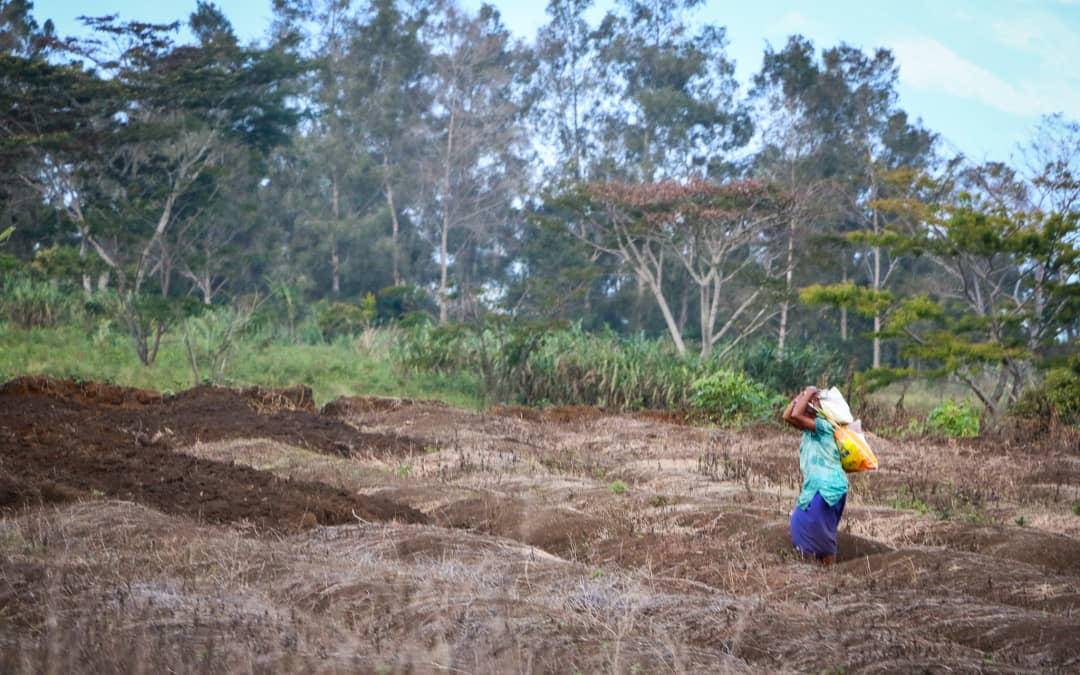
He said the current dry season is “on another scale” and compared to previous dry seasons.
Rapa told the newspaper that the river from which the province’s capital city gets its water supply has also dried up.
“We haven’t got the resource to put up with the dry season,” Rapa said.
“We Highlanders look after animals especially pigs and this dry season will greatly affect our animals. When we go deep into the dry season, we will face a lot of challenges,” he added.
The concerns raised by Rapa come despite the national government saying preparations for the dry season are underway.
In late-June, PNG Prime Minister James Marape instructed all provinces and districts to prepare for the possibility of a severe dry season linked to El Niño.
A statement from Marape’s office on 22 June said: “The Prime Minister said Cabinet was examining appropriate Financial and Administrative arrangements to support Provincial and District Governments to prepare for, mitigate and respond to Disaster situations arising from prolonged dry conditions.”
Marape also urged Papua New Guineans to remain calm, saying: “This is a time for preparedness, not panic.”
Meanwhile, dead fish found floating in a pond at Kaviananga village in Middle Fly, Western, are a result of the extreme heat, according to a ward member.
Thom Andibu said the ponds were at Labiombo Lagoon in Obo where villagers usually fished.
“The pictures on social media of dead fish found in ponds are in Obo and not the Fly River,” he said.
“These ponds are in Obo, Kaviananga, about four kilometres away from the lagoon.
“Villagers usually get their fish at these ponds which are as big as rugby fields.
“When the ponds begin to dry up due to the heat, the fish die and float to the top.
“The pond has no outlet and so water is trapped in and all the swamp fish die in there.”
“The pool does not have sea weeds, waterlilies or patches of grass for fish to hide and cool off from the extensive heat of the sun.”
Andibu said the ponds usually held water, even during the dry seasons, but not this dry season, and this was affecting fishing in the area.
“Also, with this dry season, the ground is cracking,” he said.
“Where there was mud before, it’s all cracks now.”
Attempts to get comments from Middle Fly disaster office were unsuccessful.