Solomon Islands Government is planning to establish a major regional fuel hub at Aruligo, Northwest Guadalcanal to secure fuel supplies for Solomon Islands and other Pacific Island countries.
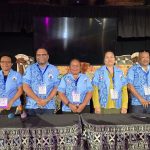
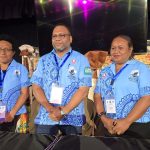
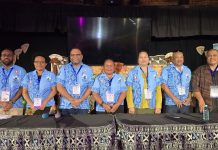
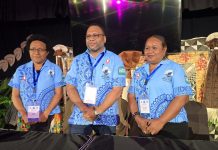
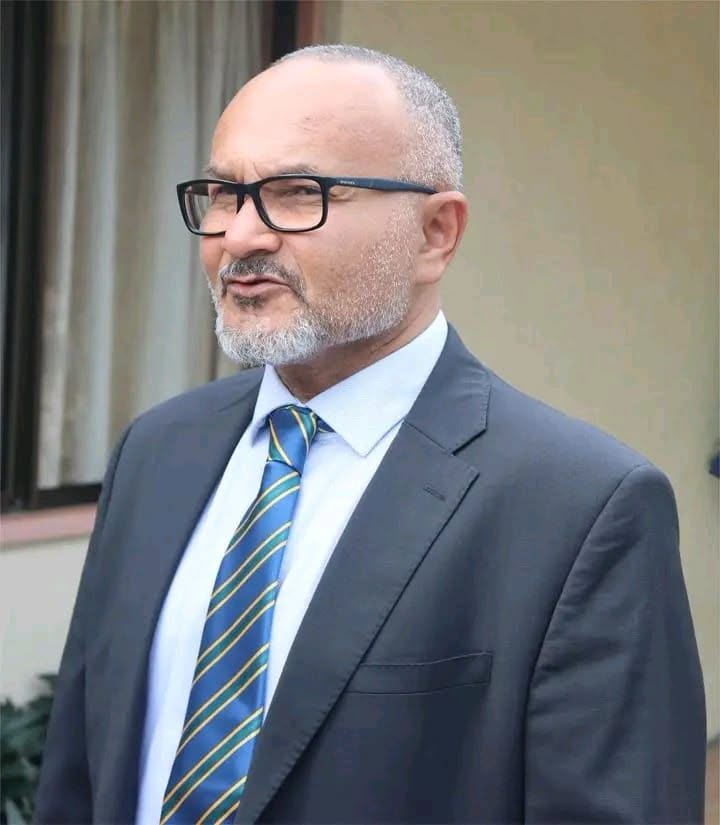
Prime Minister Mathew Wale revealed the proposal during a courtesy meeting with Western Province Premier Billy Veo and his executive members at the Prime Minister’s Office this week.
Wale said the proposed facility would store enough fuel to provide up to 12 months’ supply, strengthening Solomon Islands’ energy security while potentially reducing fuel costs across the Pacific.
“We are going to build a fuel hub, a regional one for the whole Pacific Islands,” PM Wale said.
He said the proposal had already been raised at the Pacific Islands Forum (PIF) level and would be further discussed at the upcoming PIF meeting at the end of next month.
Wale said Solomon Islands could work with other Pacific countries, including Papua New Guinea and Fiji, to coordinate fuel purchases and reduce freight costs.
“Once we do that, we will negotiate with the Prime Ministers of PNG and Fiji to buy supplies so that we can reduce freight costs,” he said.
The Prime Minister also said the Government was looking at sourcing fuel from the United States West Coast, which he said could be cheaper than the current supply route from Singapore.
Solomon Islands currently relies heavily on fuel imports from Singapore, with shipments arriving approximately every three weeks.
The country generally maintains between 40 and 50 days of fuel supply in-country, while fuel shipments already at sea can lift total available supply to an estimated 50 to 90 days.
Wale said establishing a large regional fuel storage facility would therefore provide a much greater buffer against disruptions to international shipping and fuel supplies.
The proposed hub could also position Solomon Islands as a strategic fuel supply point for neighbouring Pacific Island countries, while creating opportunities to lower the cost of fuel transportation through larger, coordinated purchases.
The Prime Minister said the initiative would be raised again at the regional level as the Government continues discussions with Pacific partners.
The proposed fuel hub forms part of the Government’s broader effort to strengthen national energy security and reduce the vulnerability of Solomon Islands and the wider Pacific to international fuel price and supply shocks.
Aruligo is located about 34 kilometres northwest of Honiara.
Meanwhile, Prime Minister Mathew Wale has urged the Western Provincial Government (WPG) to start planning now for the future management of its two fuel storage tanks at Noro, as the existing lease with Markworth Oil Company Limited is due to expire in two years.
Wale said the move should align with the GREAT Government’s policies and encouraged the province to consider establishing or strengthening a government-owned State-Owned Enterprise (SOE) to take control of the energy assets.
Wale said although the current agreement with Markworth still had two years to run, the provincial government should not wait until the lease expires before deciding what to do with the assets.
“Whilst the lease from Markworth is yet to lapse, it is time that WPG should start working and planning on what to do now,” Wale said.
“We are here to help you with other assistance and support from other key stakeholders.
“You must let us know what your thinking is so that we can move things forward,” he told Premier Veo.
The two fuel storage tanks are owned by the WPG and are managed through the Western Provincial Investment Corporation (WPIC), the commercial arm of the provincial government.
Premier Veo revealed that the tanks were previously leased to Markworth under an arrangement initially facilitated by the Ministry of Mines and Energy before the assets were transferred to the provincial government some years ago.
Under the existing agreement, Markworth pays the province about SBD$1.3 million (US$162,000) annually in rental fees.
However, the WPG believes the assets could generate significantly higher returns if managed directly through WPIC.
Provincial projections estimate that direct management could generate between SBD$5 million (US$623,572) and SBD$10 million (US$1.2 million) annually, compared with the current SBD$1.3 million lease arrangement.
“Western Province is not maximising the full economic potential of these assets,” Premier Veo said.
“We cannot continue with the current arrangement when there is a clear opportunity to increase revenue for our people.”
Wale also indicated that the national government could provide legal and other technical support to help the province develop an appropriate framework for managing the assets.
The WPG executive is scheduled to meet its private energy consultant on Friday to discuss broader issues surrounding the province’s energy sector.
The discussions are expected to look at options for the province’s future involvement in the energy sector, including the management and commercial development of its existing assets.